
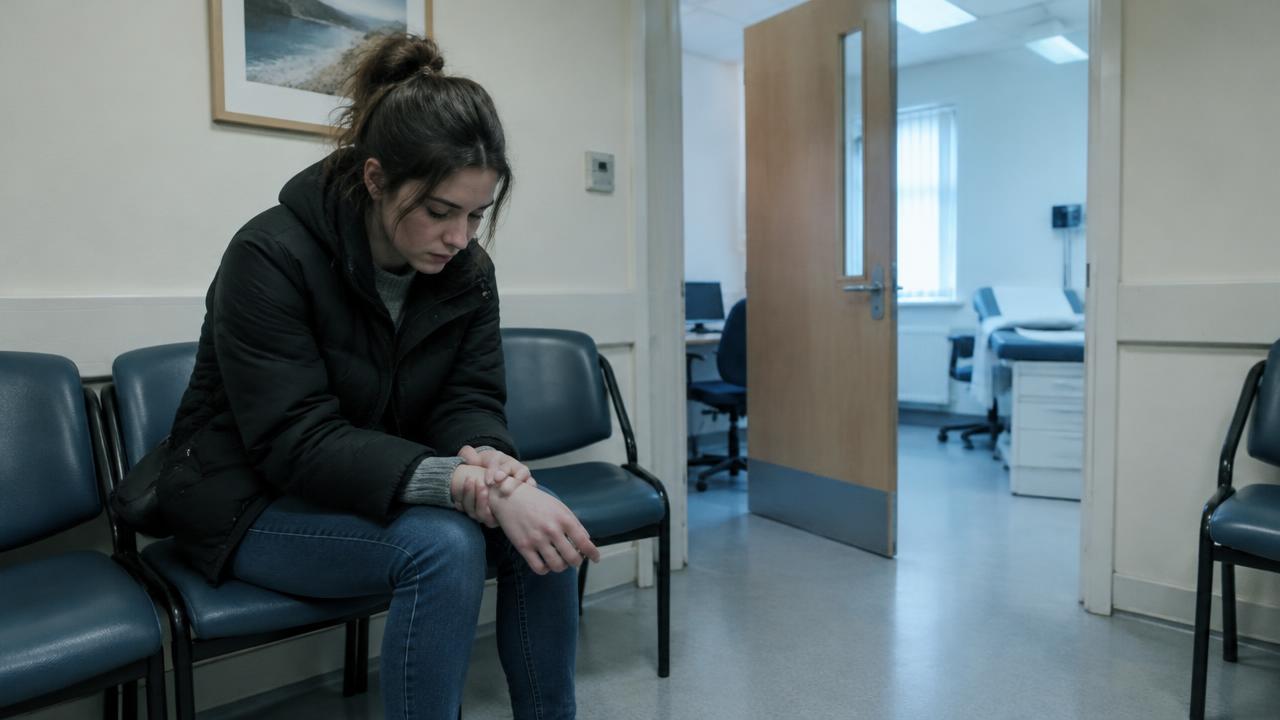
Women with autoimmune conditions are up to 74% more likely than men to be told their symptoms are psychological or psychosomatic, and face far longer waits for diagnosis and treatment, according to a new study.
Researchers at the University of Cambridge and the University of East Anglia found a stark gender divide in the way doctors respond to the early signs of conditions in which the immune system attacks the body by mistake.
About one in 10 people worldwide – hundreds of millions in total – are affected by autoimmune conditions, which can cause fatigue, muscle pain, rashes and a range of other symptoms.
Lasting damage
The lead author, Melanie Sloan, a researcher in the department of public health and primary care at Cambridge and UEA, said: "The damage caused to women by these types of misdiagnosis can be very long lasting in terms of trusting doctors and their own self-esteem."
She said some women were forced to wait years before finally receiving a diagnosis, causing long delays to treatment.
What the study found
Researchers found that 43% of women reported being told their condition was down to a psychiatric cause, compared with 33% of men.
Just over a third of women (34%) said their symptoms had been misdiagnosed as psychosomatic – meaning triggered or worsened by stress or anxiety – compared with 22% of men.
After accounting for factors including age, type of disease, continent and household finances, the researchers said women were 46% more likely to report a psychiatric misdiagnosis and 74% more likely to report a psychosomatic one.
Women also reported much longer periods between the onset of symptoms and diagnosis, and more consultations along the way. Among men, the most commonly reported time to diagnosis was less than three months. Among women, it was one to two years.
The conditions involved
Almost a quarter of the women in the study had autoimmune thyroid disease. That includes Hashimoto's disease, in which the thyroid becomes underactive, causing weight gain, hair loss, fatigue and joint pain, and Graves' disease, in which it becomes overactive, causing bulging eyes, palpitations and weight loss.
One in seven women had systemic lupus, which can cause tiredness, rashes and muscle pain. Among men, the most common conditions were rheumatoid arthritis, vasculitis and antiphospholipid syndrome, sometimes called "sticky blood" syndrome.
Why diagnosis is hard
Autoimmune diseases are notoriously difficult to diagnose. Symptoms often come and go, can affect several parts of the body at once and may look like other illnesses. Blood tests are not always conclusive in the early stages.
But the researchers say that difficulty does not explain why women are so much more likely than men to be told their symptoms are imagined or caused by stress.
Campaigners have long argued that women's pain and fatigue are taken less seriously in medicine, a pattern sometimes described as "medical gaslighting". This study adds a substantial body of evidence to that argument.
The cost of delay
Delayed diagnosis matters. Many autoimmune conditions can damage organs, joints or nerves if left untreated, and early treatment can often slow or prevent that damage.
Being told that real physical symptoms are psychological can also cause lasting harm to mental health, patients say, leaving them doubting themselves and reluctant to seek help again.
What needs to change
The researchers say doctors need better training to recognise autoimmune conditions and to be aware of the risk of bias when assessing women's symptoms.
They also argue that psychological explanations should only be given once physical causes have been properly investigated, rather than as a first assumption.
Women make up the majority of people living with autoimmune disease. For many of them, the findings will confirm something they have long known from experience: that the hardest part of being ill was persuading someone to believe them.


