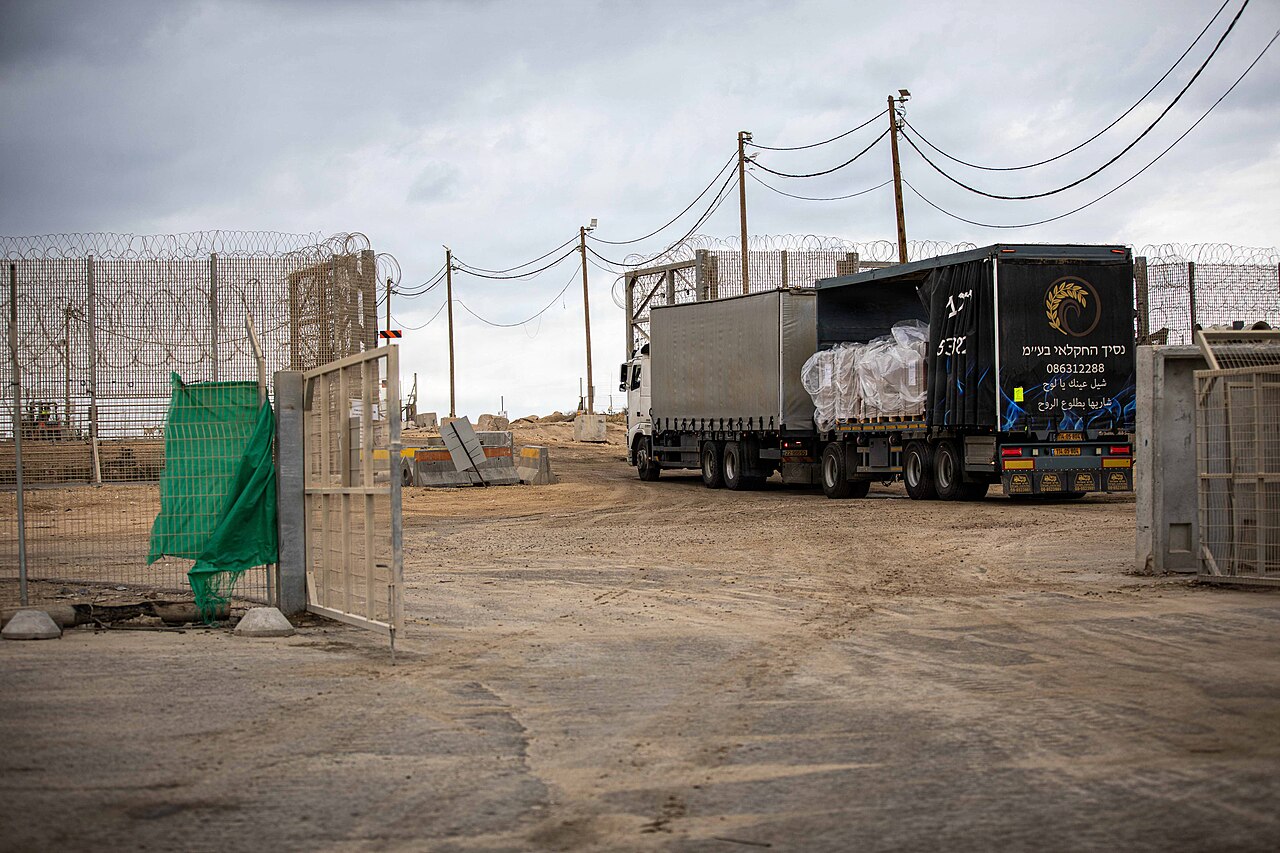
The United Nations World Food Programme has said that funding shortages will force it to reduce its planned monthly food assistance in Gaza from 1.6 million people to 1.1 million, leaving around half a million people without monthly food aid. Reuters reported that the cut comes as roughly two-thirds of Gaza’s population remains acutely food insecure, according to the agency’s own assessment.
The reduction is a funding decision, not a reflection of need. The WFP, like other UN humanitarian agencies, depends on voluntary contributions from donor governments, and appeals for Gaza have repeatedly fallen short of their targets. The gap between what the agency planned to distribute and what it can now afford is the direct result of that shortfall.
The figures deserve to be read carefully. The cut from 1.6 million to 1.1 million is a reduction in planned assistance — the number of people the WFP intended to reach each month — rather than a measure of how many people are hungry. The underlying need, by the agency’s assessment, remains far larger than either figure.
Two-thirds acutely food insecure
The assessment that around two-thirds of Gaza’s population remains acutely food insecure places the territory among the most severe food crises in the world. Acute food insecurity means people are unable to consume enough food to meet basic needs, and at its most severe levels it progresses to malnutrition and starvation, particularly among children, pregnant women and the elderly.
Humanitarian conditions in Gaza have been catastrophic since the war that followed the Hamas attacks of 7 October 2023 and Israel’s subsequent military campaign. The destruction of infrastructure, the displacement of most of the population and restrictions on the entry of goods have left the territory dependent on outside aid. Ceasefire arrangements have allowed increased deliveries at times, but the flow has never matched the scale of need, and distribution inside Gaza has repeatedly been disrupted.
The WFP’s announcement is therefore a warning about the direction of travel. If funding continues to fall short, further reductions would follow, and the agencies’ ability to prevent a deterioration into famine conditions — already declared in parts of Gaza at earlier points in the crisis — would be weakened.
Why the money is not there
Donor fatigue is part of the explanation. Gaza competes for humanitarian funding with crises in Sudan, Ukraine, Yemen and elsewhere, and overall global humanitarian appeals have been funded at historically low levels. Cuts to foreign aid budgets in several major donor countries, including the United States, have shrunk the pool from which agencies like the WFP draw.
There is also a political dimension. Decisions about aid to Gaza have been entangled with the politics of the conflict itself, with donor governments attaching conditions, pausing contributions over allegations against other UN bodies, or diverting funds to bilateral channels. The WFP’s figures do not assign blame; they simply record the consequence.
Aid agencies have consistently argued that the solution is not only more money but more access — more crossing points open, more trucks permitted through, and safer conditions for distribution. Funding and access together determine how much food actually reaches people, and both have been persistent problems.
What the cut means on the ground
For the half a million people who will no longer receive monthly assistance, the practical effect is stark: one fewer reliable source of food in a place where markets are barely functioning and prices, where goods exist at all, are beyond most families. Community kitchens and other agencies absorb some of the gap, but they face the same funding pressures.
The WFP has said it will continue to prioritise the most vulnerable. The announcement is also an appeal in itself — a public signal to donors that the money is running out. Whether that signal is answered will determine whether 1.1 million is a floor or a waypoint on the way down.