
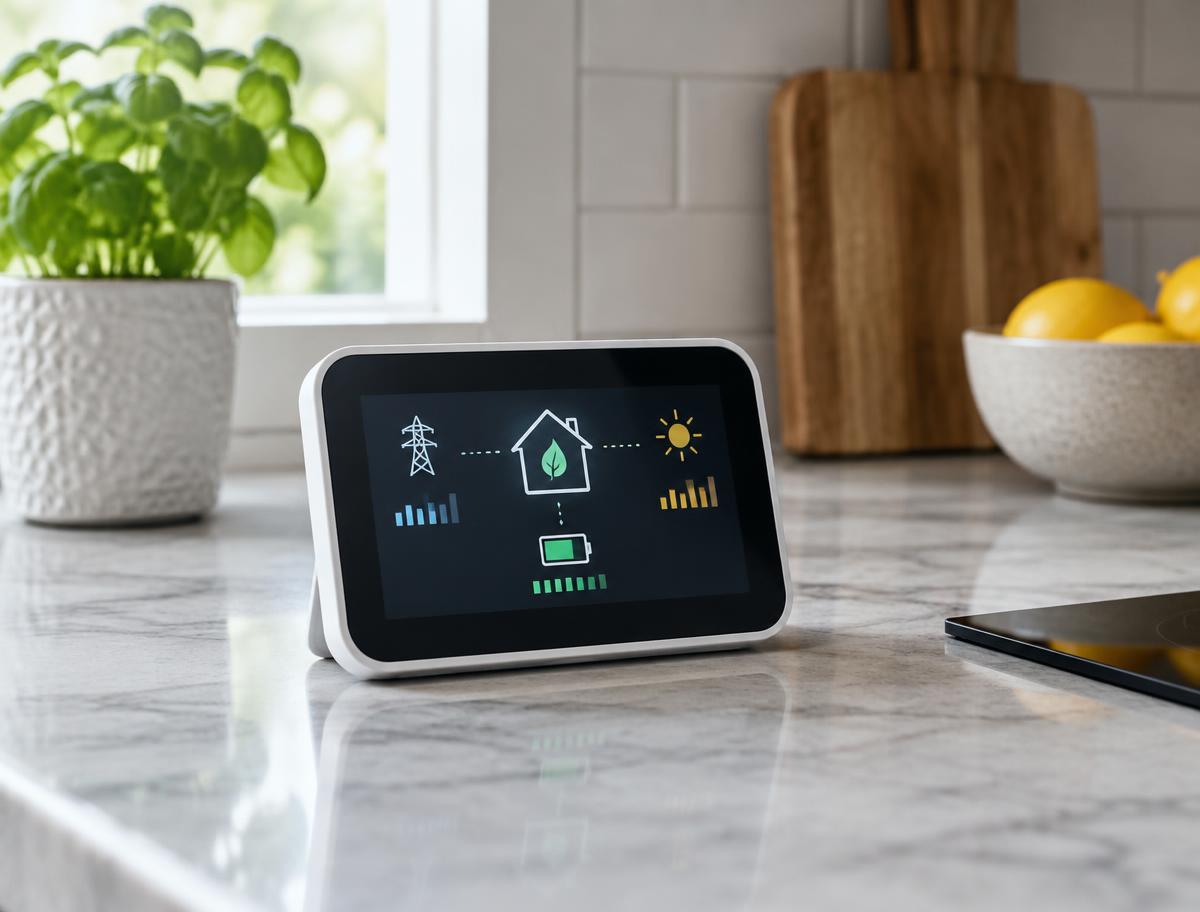
VAT has been removed from household electricity bills across Great Britain from 1 October 2026, in a move HM Treasury says will keep Ofgem’s energy price cap about £45 a year lower than it would otherwise have been for the October to December period.
The change applies specifically to electricity rather than gas, which continues to carry 5% VAT, meaning the saving will be felt differently depending on how much of a household’s energy use comes from electricity versus gas.
The price cap is still rising
Despite the VAT cut, Ofgem’s price cap for October to December is still rising by 4% for a typical dual-fuel household paying by direct debit. The regulator’s published figures put the average electricity unit rate at 26.32p per kWh, with a daily standing charge of 54.83p, both now calculated without VAT applied. In practice, this means the tax cut is softening, rather than reversing, an underlying increase in the cost of energy this winter.
Ofgem has said households that rely mostly or entirely on electricity, rather than a mix of gas and electricity, are likely to see a proportionally larger benefit from the VAT removal, since all of their relevant energy costs are covered by the change.
The price cap, introduced in 2019, sets a maximum unit rate and standing charge that suppliers can charge customers on standard variable tariffs, and is reviewed by Ofgem every three months based on wholesale energy costs, network costs and other factors. Changes to the cap do not set a fixed bill amount for every household, since actual bills still depend on how much gas and electricity a household uses.
Fixed-tariff customers
Around a third of households in Great Britain are on fixed-rate tariffs rather than the standard variable tariffs governed by Ofgem’s price cap, meaning they are not directly affected by the cap’s quarterly rise. The government has said it expects energy suppliers to pass the VAT cut on to these customers too, and is encouraging consumers more broadly to shop around for the best available deal as the tax change takes effect.
Part of a wider cost-of-living package
Ministers have presented the VAT removal as one of a series of measures aimed at easing cost-of-living pressures, which they have described as “everyday fixes”. Other measures in this package include a cap on bus fares at £2 and action targeting fake discounts and subscription traps that campaigners say can quietly inflate household costs.
Why VAT on energy has been controversial
The 5% VAT rate on domestic energy bills has long been a point of political debate in the UK, with some campaigners arguing it should be removed entirely given the essential nature of heating and electricity, particularly for lower-income and vulnerable households. Previous governments resisted full removal partly on the grounds of the revenue involved and questions over how effectively a VAT cut would be passed through to consumers by energy suppliers, rather than being absorbed into profit margins.
Campaign groups focused on fuel poverty have argued for years that energy, unlike most other goods subject to the reduced 5% VAT rate, should be treated as a basic necessity rather than a standard-rated or reduced-rated commodity, pointing to the number of households, including a significant share in Scotland’s rural and island areas, that spend a disproportionately high share of their income on heating and electricity.
How long the change will last
Ofgem has confirmed the VAT removal on electricity bills is due to run until 31 March 2027, after which its future will depend on further decisions by the Treasury. Consumer groups are likely to monitor closely whether suppliers pass on the saving in full, both to standard variable tariff customers under the price cap and to those on fixed deals, as the measure beds in over the winter months.


