
Ukraine has received four separate proposals for a partial truce with Russia, from the United States, India, Turkey and Egypt, Ukrainian Foreign Minister Andrii Sybiha has said, as Kyiv weighs how to respond amid intensifying Russian strikes on its capital.
Sybiha told reporters that the proposals cover energy and Black Sea ceasefires rather than a full halt to fighting, and that India’s offer, the broadest of the four, marked the first time New Delhi has signalled willingness to take an active mediating role in the war.
What each proposal covers
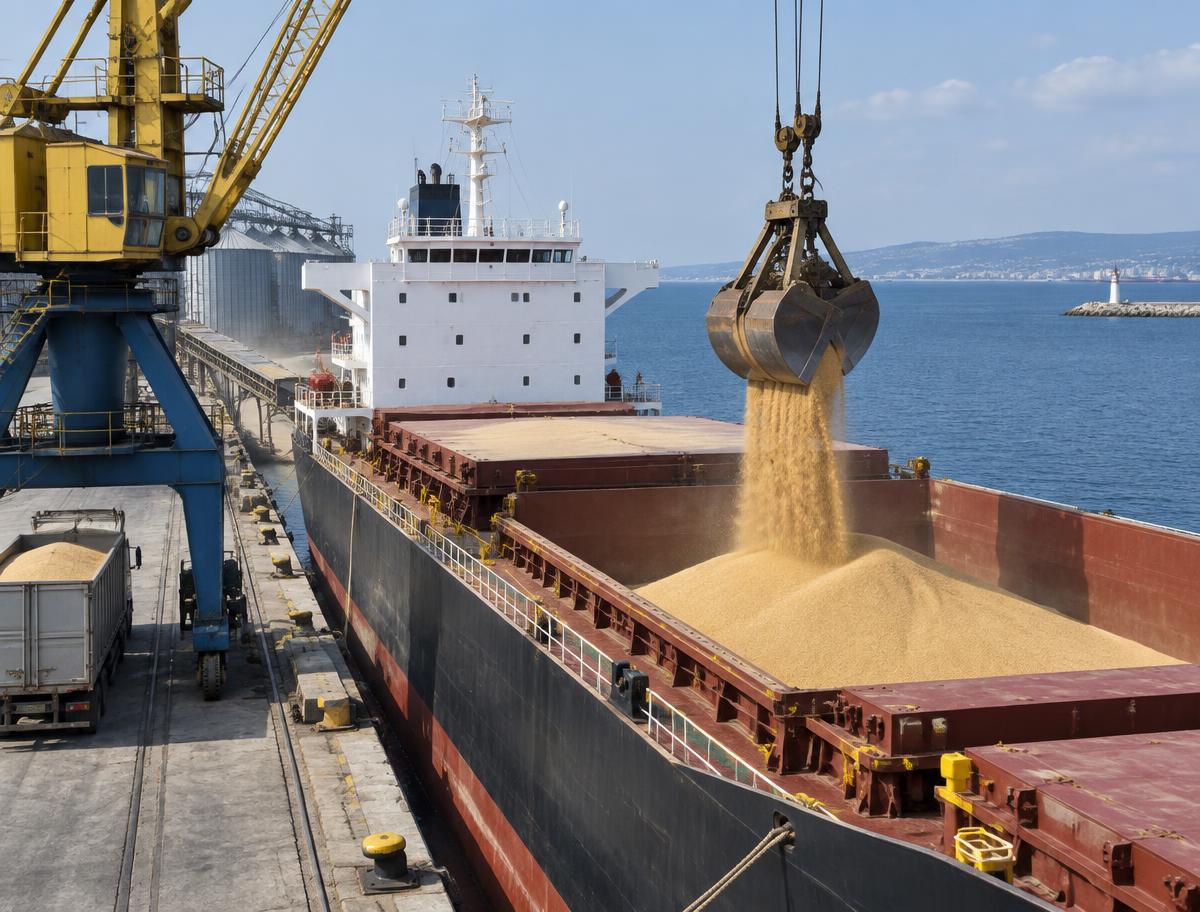
Turkey and Egypt have put forward similar plans for what Sybiha described as a grain or food ceasefire, aimed at restoring safe navigation for agricultural shipping in the Black Sea. He said the issue was especially important for Egypt, which relies on Ukraine for roughly a third of its grain supply and also depends heavily on Russian grain.
The US proposal centres on an energy ceasefire, a concept Sybiha said was discussed during a recent meeting between Ukrainian President Volodymyr Zelensky and President Trump, and would involve halting strikes on energy infrastructure on both sides.
India’s plan is the most comprehensive, touching on food security, Black Sea shipping routes and a possible energy ceasefire together, according to Sybiha.
Kyiv’s conditions
Ukraine has said it is willing to accept an energy and Black Sea truce, but only as a single combined package covering a complete halt to strikes on all energy facilities, including port infrastructure, rather than agreeing to separate, piecemeal arrangements.
Sybiha also said Ukraine remained open to a broader, unconditional ceasefire along the current front line, which he suggested could emerge as a possible outcome of a future meeting between Zelensky and Russian President Vladimir Putin, a prospect that has been discussed but not scheduled.
Russia’s resistance
Putin has previously rejected proposals for a ceasefire, claiming Russia has suffered only a 1% loss in GDP from Ukrainian attacks on its oil refineries, a statement cited as evidence that Moscow sees little urgent economic pressure to agree to a truce.
Strikes continue on Kyiv
The diplomatic manoeuvring came as Russian aerial attacks forced the partial or full closure of three of Kyiv’s six road bridges over the Dnipro River, causing severe traffic disruption in what the city’s mayor described as a new tactic to disrupt daily life for residents. One Kyiv resident told the Associated Press that traffic was “jammed solid,” taking 45 minutes to travel just four kilometres.
UN High Commissioner for Human Rights Volker Türk said on the same day in Geneva that the war “is a human rights catastrophe that is growing and intensifying,” adding that civilians “are bearing the brunt” of continued attacks.
What happens next
None of the four proposals has yet been accepted by both Kyiv and Moscow, and Ukraine’s insistence on treating energy and Black Sea elements as a single package complicates efforts to reach even a limited truce. The coming weeks are likely to show whether any of the mediators, particularly India in its newly stated role, can bridge the gap between the warring sides.
Why a full ceasefire remains elusive
Efforts to secure a comprehensive ceasefire between Russia and Ukraine have repeatedly stalled since the full-scale invasion began in February 2022, with both sides holding positions that have proven difficult to reconcile. Russia has consistently demanded recognition of its territorial gains and limits on Ukraine's future military alignment, while Ukraine and its Western backers have insisted on the restoration of Ukrainian sovereignty and security guarantees against future aggression. Partial, sector-specific truces, covering areas such as energy infrastructure or Black Sea shipping, have periodically been floated as more achievable interim steps, though previous attempts at such arrangements, including a 2024 energy ceasefire proposal, broke down amid mutual accusations of violations.
India's evolving role
India's offer to mediate marks a notable shift in New Delhi's posture, given its historically cautious approach to the war, shaped by its reliance on discounted Russian oil imports and its long-standing defence relationship with Moscow. India has faced criticism from Western governments over its continued purchases of Russian crude, and a more active mediating role could reflect an attempt by New Delhi to balance those commercial ties with growing international pressure to contribute constructively to ending the conflict.
Turkey and Egypt's grain diplomacy
Turkey previously played a central role in brokering the Black Sea Grain Initiative, a 2022 agreement that allowed Ukrainian grain exports to resume via safe shipping corridors before Russia withdrew from the deal in 2023, citing unmet demands related to its own agricultural exports and sanctions relief. Egypt's involvement reflects its heavy dependence on both Ukrainian and Russian grain supplies to feed its population, giving Cairo a direct economic stake in restoring stable Black Sea shipping routes regardless of the war's broader trajectory.
The toll of strikes on energy infrastructure
Russia has repeatedly targeted Ukraine's energy grid with missile and drone strikes since the invasion began, particularly during winter months, in what Ukrainian officials have described as a deliberate strategy to inflict hardship on the civilian population by cutting power and heating. Ukraine has in turn struck Russian oil refineries and energy infrastructure, contributing to the kind of economic pressure that Putin has downplayed but which analysts say has nonetheless disrupted Russian fuel supplies and export revenues.
Humanitarian dimension
The United Nations has repeatedly documented the human cost of the war, including civilian casualties from strikes on residential areas, energy infrastructure and other non-military targets. Volker Türk's remarks reflect a consistent pattern of UN warnings over the course of the conflict about the scale of displacement, casualties and infrastructure damage inflicted on Ukraine's population, now entering its fifth year of war.
What a deal would require
Any workable partial truce would likely require verification mechanisms to monitor compliance, a role international mediators or third-party observers could play, given the mutual accusations of bad faith that have undermined previous ceasefire attempts. Ukraine's insistence on treating energy and Black Sea elements as a single package, rather than agreeing to piecemeal measures, reflects Kyiv's wariness of partial agreements that Russia could exploit to ease pressure on one front while continuing attacks elsewhere.


