
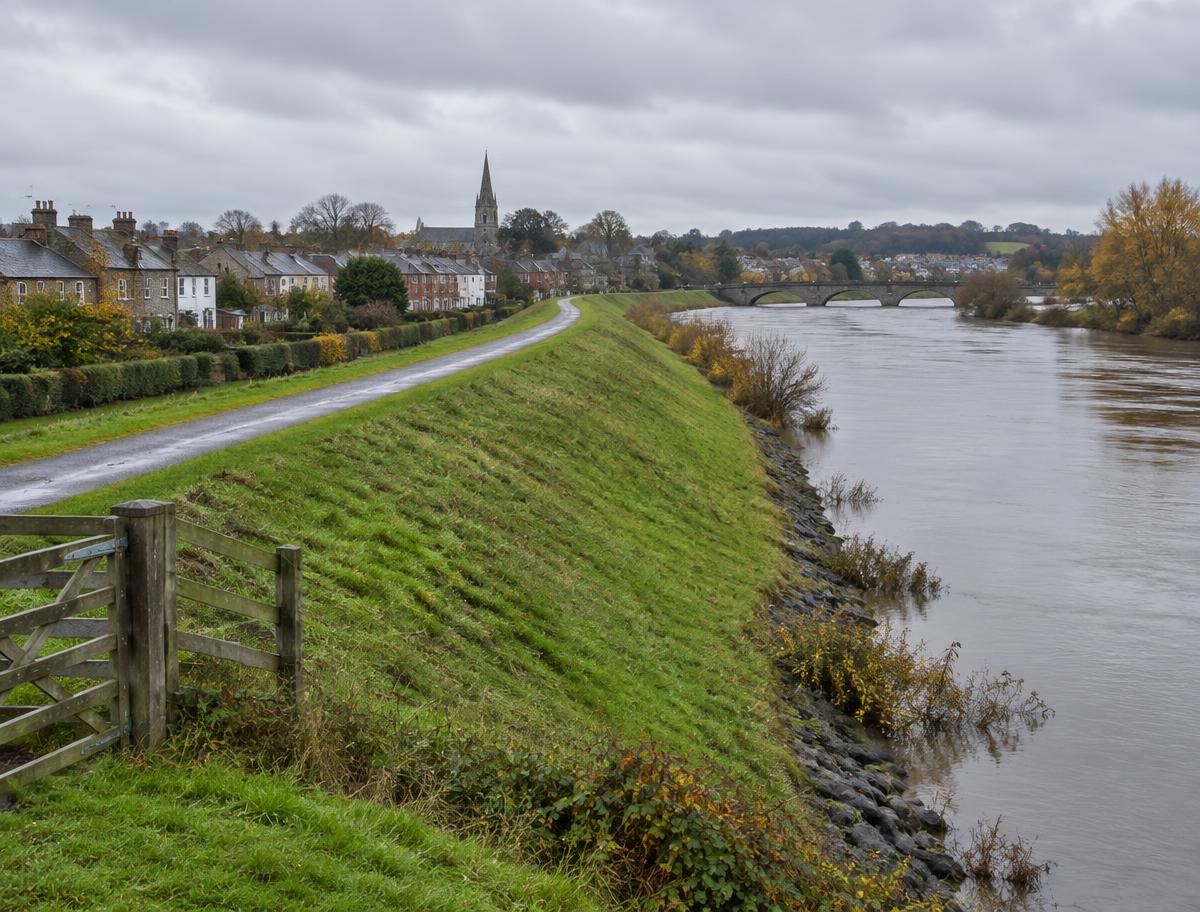
Scotland experienced severe disruption from recent storms, including widespread flooding and lengthy power cuts in rural areas, which prompted renewed calls from Scottish politicians for faster investment in flood defences and grid resilience north of the border.
The UK government has set out how it plans to prepare the country’s infrastructure and households for severe winter weather, with flood defences in England at the centre of the package.
Ministers said the plan covers roads, railways, energy networks and flood protection, alongside a new public information campaign aimed at helping families get ready for disruptive weather before it arrives.
Why now
The announcement follows a winter in which storms including Goretti and Chandra battered parts of the UK, causing flooding, power cuts and travel disruption. The government said forecasters expect a strong El Niño weather pattern could make wetter and stormier conditions more likely in late autumn and early winter this year, raising the stakes for preparedness work done over the summer months.
Winter storms have become a near-annual test for the UK’s ageing infrastructure. Successive governments have faced criticism after flooding events for the pace of defence-building and the speed of power restoration, and this announcement is framed partly as a response to those pressures.
Flood defences in England
More than 600 flood defence projects are being delivered across England, backed by £1.4 billion of investment in the 2026–27 financial year. The government has described this as part of the largest flood defence programme in English history, saying it is designed to better protect tens of thousands of households from rising water levels.
These defences apply specifically to England. Flood risk management in Scotland is the responsibility of the Scottish Government and is delivered mainly through local authorities and the Scottish Environment Protection Agency, working to a separate strategy and funding settlement. Wales and Northern Ireland likewise run their own programmes.
Roads and railways made more resilient
Beyond flood defences, the government said more than £24 billion will be spent on maintaining local roads over the next four years, tackling potholes and surface damage that worsen in cold, wet conditions.
A further £2.6 billion is being channelled through Network Rail to make rail infrastructure more resilient to a changing climate. Officials pointed to specific projects, including £33 million earmarked for work in Durham and £41 million across north-west England, aimed at stabilising embankments and reducing the risk of landslips disrupting services.
Keeping the lights on
Electricity network operators are carrying out pre-winter maintenance, including clearing trees and branches near power lines and positioning engineers in areas judged most at risk of storm damage.
The government highlighted the response to Storm Amy as evidence that resilience measures are working, saying 99% of electricity customers who lost power were reconnected within 24 hours. Power cuts during severe storms have previously left some rural communities, including areas of Scotland, without electricity for several days, prompting scrutiny of network operators’ response times.
Advice for households
The Cabinet Office said it will launch a national public awareness campaign later this autumn, setting out simple steps households can take to prepare for everyday emergencies, including severe weather. These are expected to include guidance on emergency kits, checking on vulnerable neighbours and knowing how to access flood warnings.
Security Minister Dan Jarvis said the approach combines investment in national defences with practical guidance to help families protect themselves when storms hit.
What the figures don’t show
The spending totals and claimed benefits come from the government’s own announcement rather than an independent audit, and it remains to be seen how effectively the money translates into reduced disruption once winter storms actually arrive. Opposition parties and flooding campaigners have previously argued that funding commitments do not always keep pace with the rate at which properties are added to flood risk registers, and that climate change is increasing the frequency of extreme rainfall events across the UK.
The coming months, and how networks and defences perform during the first serious storms of the season, will be the real test of whether this winter’s preparations hold up.


