
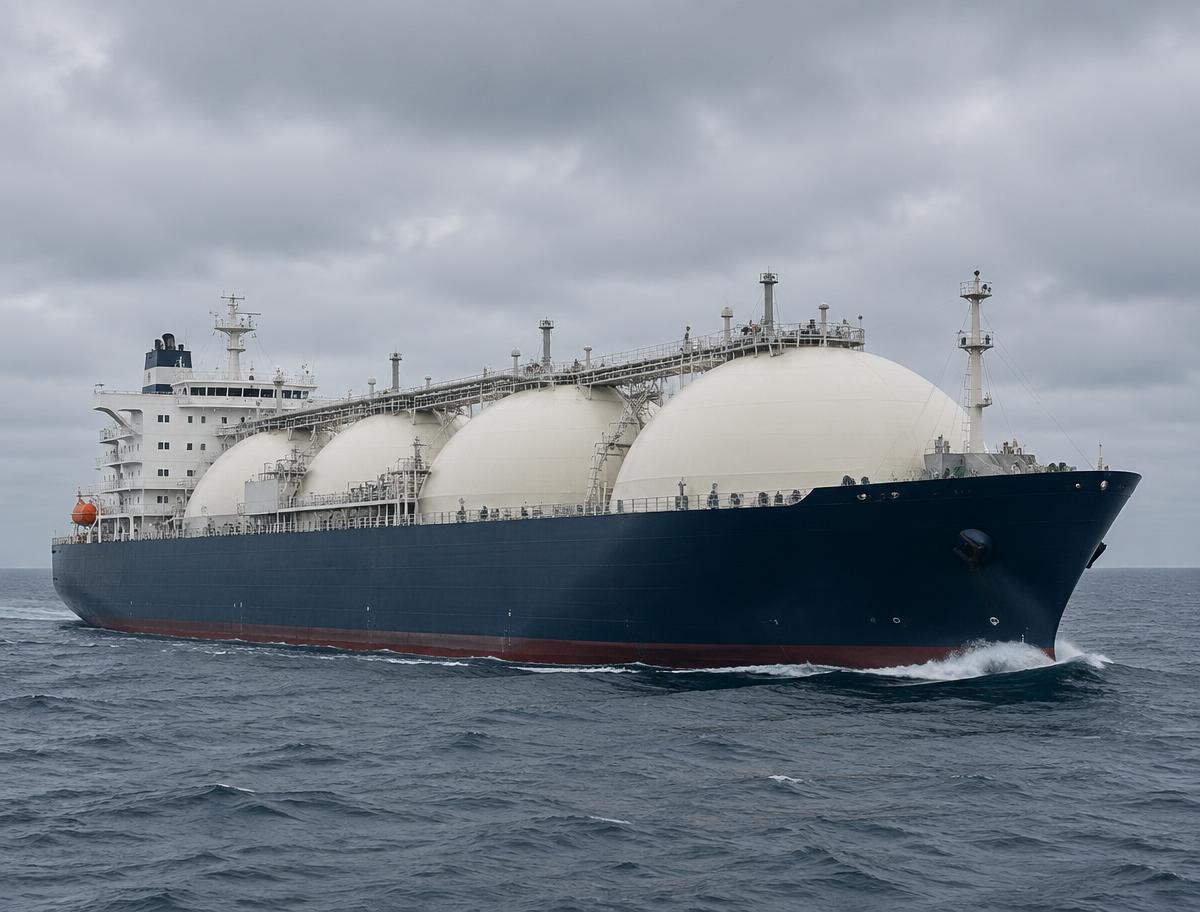
The UK has announced a new package of 31 sanctions against Russia, targeting vessels in the so-called shadow fleet used to move sanctioned oil and gas, propagandists accused of spreading disinformation, and individuals alleged to have tortured Ukrainian civilians, as the government steps up economic pressure on Moscow ahead of winter.
The measures, announced on 1 October 2026, form part of the UK’s ongoing sanctions response to Russia’s full-scale invasion of Ukraine, which began in February 2022 and has since triggered successive rounds of UK and allied sanctions aimed at constraining Russia’s ability to finance and sustain its military campaign.
Targeting the shadow fleet
A significant element of the new package focuses on vessels within what has become known as Russia’s shadow fleet, a term used to describe tankers and other ships that transport Russian oil and liquefied natural gas while attempting to evade the price caps and restrictions imposed by Western sanctions since 2022. These vessels often operate with obscured ownership structures, use ageing ships not insured through mainstream Western insurers, and in some cases turn off tracking transponders to make their movements harder to monitor, all aimed at keeping Russian energy exports flowing and generating revenue for the Kremlin despite sanctions.
By designating specific vessels linked to this fleet, the UK aims to restrict their ability to access UK ports, insurance and financial services, adding friction and cost to Russia’s efforts to continue exporting energy products that form a crucial part of the state’s wartime revenue, often described by UK officials as funding the Kremlin’s “war chest”.
Disinformation networks
The package also targets individuals and networks the UK accuses of running disinformation campaigns, part of a wider pattern of sanctions in recent years aimed at propagandists and media figures the government says play a role in justifying or supporting the war in Ukraine to domestic and international audiences. The UK has previously sanctioned Russian state broadcasters and prominent media figures on similar grounds, arguing that disinformation forms an integral part of Russia’s wider war effort alongside its military campaign.
Allegations of torture and the treatment of civilians
Among those newly designated are individuals accused of torturing Ukrainian civilians, reflecting continued reporting throughout the conflict of mistreatment of detainees and civilians in areas under Russian control or occupation. The UK government has also referenced the indoctrination of children in its description of the package, pointing to long-standing allegations, also raised by Ukrainian authorities and international bodies, concerning the treatment and in some cases forced relocation of Ukrainian children during the war.
How UK sanctions work
Sanctions designations of this kind typically involve asset freezes and travel bans against named individuals and entities, preventing them from accessing the UK financial system or entering the country, and in the case of vessels, from using UK ports or receiving UK-regulated insurance and shipping services. The UK has coordinated many of its sanctions rounds with allies including the United States and the European Union, though individual countries have sometimes moved at different speeds or targeted slightly different individuals and entities depending on their own legal frameworks and priorities.
Part of a continuing pattern of pressure
This latest package adds to dozens of rounds of UK sanctions imposed on Russia and Russian-linked individuals and entities since 2022, covering sectors including energy, finance, defence and media. The government has framed the timing of this package, arriving as winter approaches, as a deliberate effort to increase economic pressure on Russia’s energy revenues at a time when European and global energy markets typically come under greater strain.
What happens next
The UK government has said it will continue to identify further targets for sanctions as evidence emerges of involvement in the shadow fleet, disinformation operations or human rights abuses connected to the war in Ukraine. The practical impact of the latest designations will depend on effective enforcement, including monitoring compliance by shipping, insurance and financial firms, as sanctions have in the past faced challenges from evasion efforts by those seeking to circumvent restrictions.


