Women must be placed at the centre of efforts to prevent conflict and build lasting peace, the United Nations’ top human rights official told a forum in The Hague, citing figures showing more women and girls are living near active conflict than at any point since the Cold War.
Volker Türk, the UN High Commissioner for Human Rights, made the appeal in remarks reported by UN News, which highlighted both the scale of women’s exposure to conflict and their continued exclusion from the processes meant to resolve it.
The scale of the problem
Mr Türk said an estimated 676 million women and girls lived within 50 kilometres of active conflict in 2024, a figure he described as the highest recorded since the end of the Cold War. The statistic reflects the growing number and geographic spread of active conflicts worldwide in recent years, from protracted wars in the Middle East and parts of Africa to the war in Ukraine and other, less prominent conflicts that have displaced millions of people.
He also said women make up the overwhelming majority of victims of conflict-related sexual violence, a pattern that has been documented repeatedly by UN investigators and human rights organisations across numerous conflicts, including in contexts ranging from Syria and Sudan to the Democratic Republic of Congo and Myanmar. Such violence is frequently used as a deliberate tactic of war, intended to terrorise and displace populations, and survivors often face significant barriers to justice and support, both during and after conflicts end.
The gap between contribution and representation
A central theme of Mr Türk’s address was the persistent gap between the role women play in protecting and sustaining their communities during conflict and their presence in the formal decision-making processes meant to end it. Women are frequently at the forefront of grassroots peacebuilding, community mediation and humanitarian response in conflict-affected areas, yet remain significantly underrepresented in formal peace negotiations, ceasefire talks and post-conflict political settlements around the world.
This gap has been documented extensively by UN Women and other bodies tracking the implementation of the UN Security Council’s landmark Resolution 1325 on Women, Peace and Security, adopted in 2000, which called for greater participation of women in conflict prevention, resolution and post-conflict reconstruction. More than two decades on, studies examining peace agreements signed in the intervening years have repeatedly found that women are included in formal negotiating delegations in only a small minority of cases.
Successive UN secretaries-general have echoed similar concerns in annual reports to the Security Council on Women, Peace and Security, noting that funding for women-led peacebuilding organisations remains a small fraction of overall international funding directed towards conflict prevention and resolution efforts.
Why the forum matters
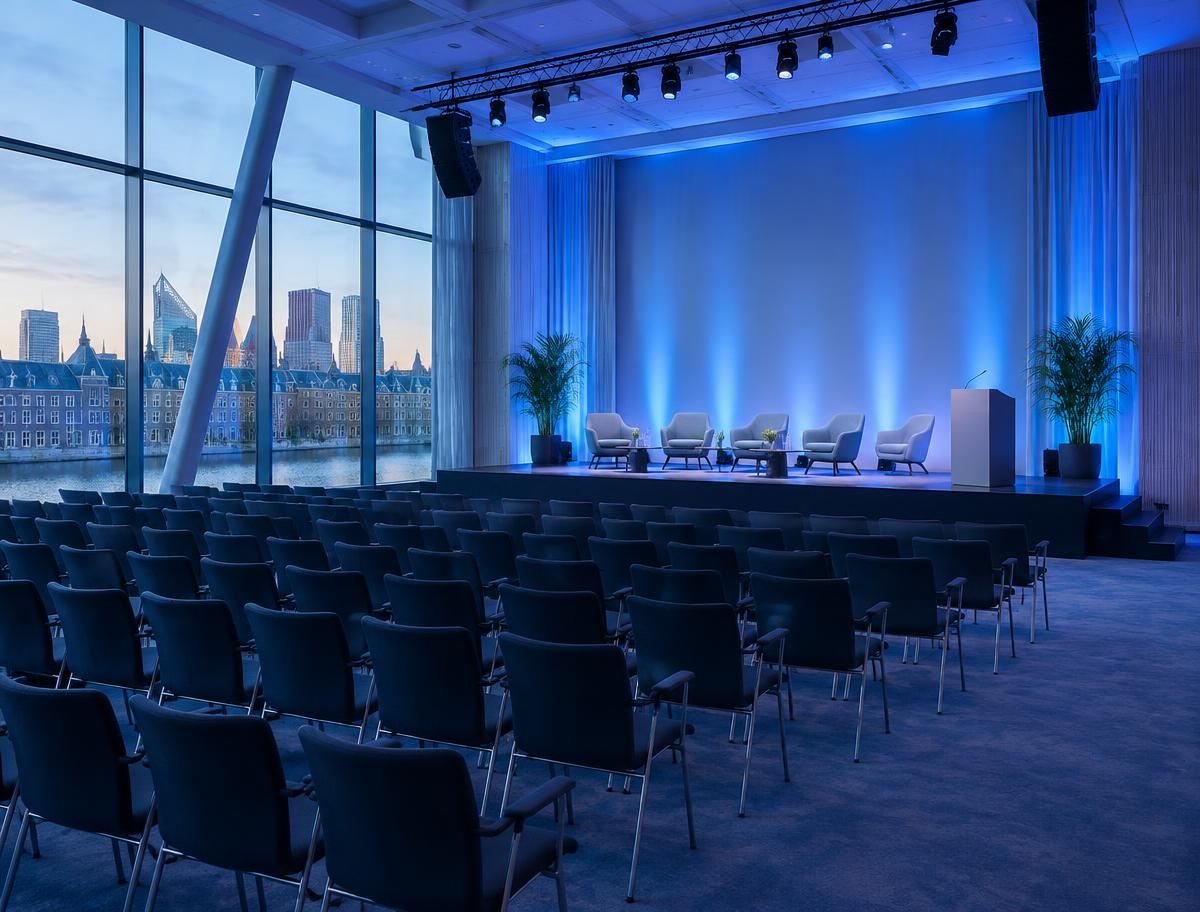
The Hague forum where Mr Türk spoke is understood to have brought together officials, civil society representatives and experts focused on women's roles in peace and security, part of an ongoing international effort to translate commitments made under Resolution 1325 and subsequent related resolutions into concrete changes in how peace processes are designed and conducted.
Advocates for greater inclusion argue that peace agreements negotiated with meaningful participation from women tend to be more durable and better address the needs of affected communities, including issues such as sexual violence, displacement and the reintegration of former combatants, which are often sidelined when negotiations are conducted exclusively by male political and military leaders.
Looking ahead
Mr Türk’s remarks are likely to feed into continuing pressure on governments, the UN Security Council and parties to active conflicts to include women more meaningfully in whatever peace processes may emerge in the conflicts he referenced. Whether that pressure translates into changed practice remains to be seen, given that similar calls have been made at previous international forums over the past two decades with only limited progress to show for them, according to the UN's own monitoring of Resolution 1325's implementation.
The Hague itself carries symbolic weight for such discussions, as home to several international courts and tribunals, including bodies that have prosecuted conflict-related sexual violence as a war crime in past cases, a legal precedent that human rights advocates argue should be more consistently applied to current conflicts if survivors are to see meaningful accountability.