
US President Donald Trump has warned that Iran will be “hit very hard” if investigators find Tehran was linked to the FlyDubai co-pilot who tried to crash a passenger jet bound for Tel Aviv, as the inquiry into the incident continues.
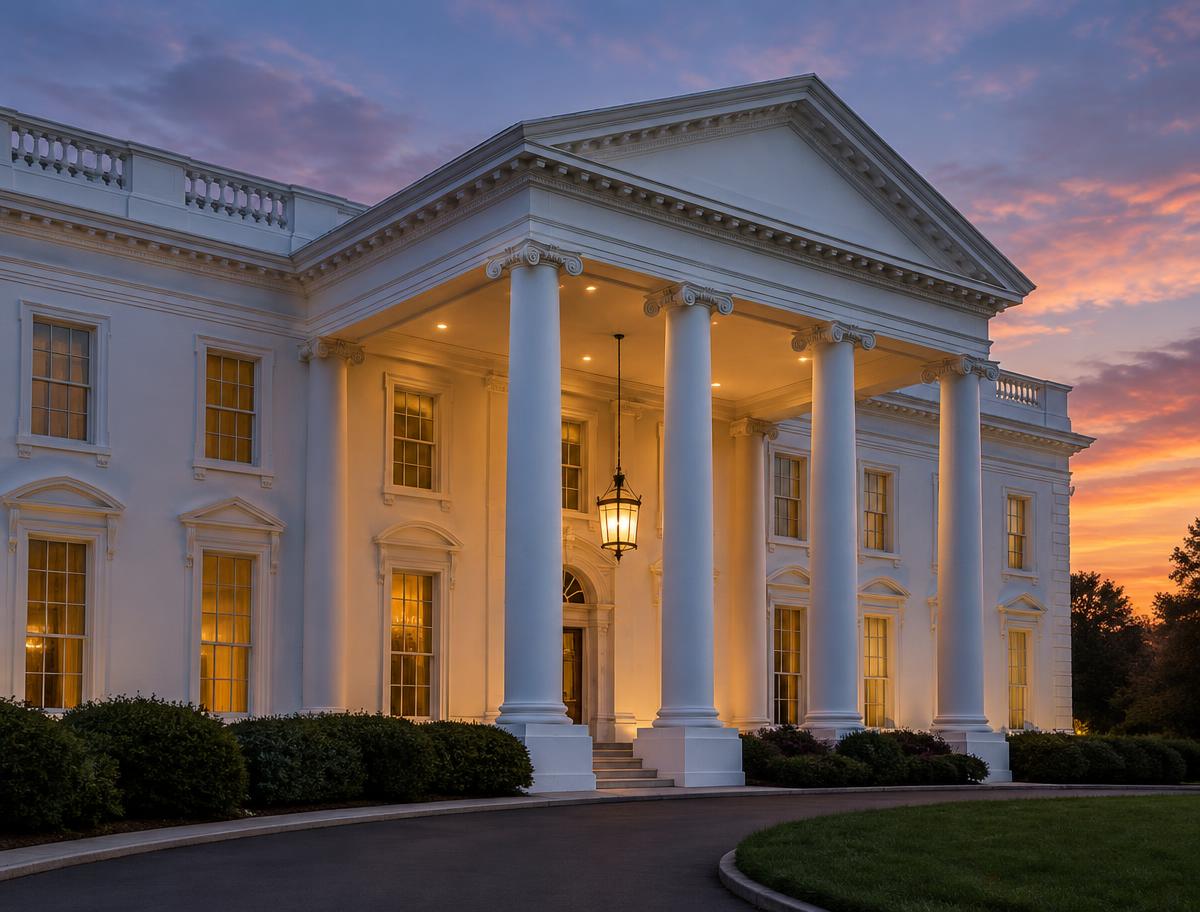
Speaking to reporters at the White House, Trump said that when asked whether the co-pilot was linked to Tehran, “I would say the answer, based on what I’m hearing, is yes, but we’re working on it right now”.
A blunt warning
Asked directly whether the US would retaliate against Iran if a connection were confirmed, Trump said: “Oh they’ll be hit, very hard, don’t worry. You just ask them. They know what happened. They’ll be hit very hard”.
Trump did not provide evidence for his claim of an Iranian link, and said only that he was basing his comment on unspecified information he had been given. He was also asked whether the co-pilot might have been placed by Iran’s Islamic Revolutionary Guard Corps or radicalised through some other channel, to which he replied, “Could’ve been, yeah”.
Netanyahu more cautious
Israeli Prime Minister Benjamin Netanyahu has been more measured in public, saying it was “too early to say” whether Iran was involved, while separately telling Fox News that Israel believed the co-pilot had undergone what he described as “Islamist radical indoctrination,” without saying who was responsible for it.
Netanyahu told CBS News he did not believe the incident was a hijacking, describing it instead as appearing to be “a suicide attempt,” and said the co-pilot, an Omani national, was being interrogated in Saudi Arabia, where the flight made its emergency landing.
The investigation
A regional official briefed on the inquiry said Saudi authorities were working with the UAE, the US, Oman and Israel to determine a motive, and that all scenarios, from terrorism to a mental health crisis, remained under consideration.
The incident has unfolded against the backdrop of an ongoing war between the United States and Iran, which began with US-Israeli strikes on Iranian targets in late February and has continued intermittently despite a brief ceasefire in April. Trump’s rhetoric suggesting an Iranian link, even before investigators have reached firm conclusions, has raised fears of a renewed escalation in a conflict that has already drawn in oil markets and regional shipping lanes.
Risk of wider escalation
Separately, the Treasury Department has continued to impose sanctions on sectors of Iran’s economy, including its automotive industry, which Treasury Secretary Scott Bessent said was intertwined with Revolutionary Guard financing and sanctions evasion, underlining the broader economic pressure already being applied to Tehran even before any formal findings on the FlyDubai incident.
What happens next
The outcome of the multinational investigation will determine whether Trump’s threat translates into military action. Iranian officials have not publicly commented on Trump’s allegation, but the incident adds a volatile new element to already fraught indirect talks between Washington and Tehran over ending the wider conflict.
A pattern of pre-emptive rhetoric
Trump’s willingness to assign blame to Iran before investigators have concluded their work fits a broader pattern seen throughout the seven-month conflict, in which the president has frequently made forceful public statements about Iranian responsibility for events still under investigation, only for subsequent inquiries to produce more ambiguous or delayed conclusions. Critics argue this approach risks pre-judging sensitive investigations and inflaming tensions before facts are established, while supporters say it reflects a deliberate strategy of maintaining pressure on Tehran at every opportunity.
Iran's likely response
Tehran has a long history of denying involvement in incidents attributed to it by Washington and Israel, often describing such accusations as fabricated pretexts for further military action. Iranian state media has in the past dismissed similar claims linking the Revolutionary Guard to attacks on civilian infrastructure or aviation incidents, and officials are likely to repeat that pattern if a formal accusation is made once the investigation concludes.
The wider war context
The conflict between the US, Israel and Iran, which began with strikes on Iranian nuclear and military sites in late February, has already drawn in multiple fronts, from direct military exchanges to economic sanctions and proxy activity across the region. A brief ceasefire in April failed to produce a lasting peace, and skirmishes, including naval incidents in the Strait of Hormuz, have continued intermittently since. Any confirmed link between Iran and the FlyDubai incident would represent a significant escalation, potentially drawing civil aviation directly into a conflict that has so far been fought mostly through military strikes and economic pressure.
Sanctions pressure continues regardless
Even without a confirmed link to the FlyDubai attack, the Trump administration has continued to tighten economic pressure on Iran through the Treasury Department, targeting sectors seen as central to financing the Revolutionary Guard and its regional proxy network. Officials have framed these measures as part of a broader campaign to limit Tehran’s ability to sustain military operations and support allied groups across the region, independent of the outcome of the FlyDubai investigation.
Regional anxiety
Gulf states, many of which have sought to balance relations with both Washington and Tehran even amid the conflict, are likely to watch closely how the investigation unfolds given the FlyDubai flight’s connection to UAE airspace and the arrest of the co-pilot, an Omani national, on Saudi soil. Any official assignment of blame to Iran could complicate the delicate diplomatic position several Gulf governments have tried to maintain throughout the conflict, caught between security cooperation with the US and economic and geographic proximity to Iran.
What to watch for next
Observers will be watching for any formal statement from Saudi, Emirati or international aviation investigators regarding a motive, as well as any response from Tehran once such findings are made public. The outcome could shape not only the trajectory of the US-Iran conflict but also future protocols for screening flight crew on routes considered politically sensitive.


