
Children have been killed and injured in renewed fighting in Baidoa, the capital of Somalia’s South West State, as clashes between rival armed factions compound an already severe hunger crisis in the city, UN agencies said.
The violence, reported by UN News, adds to mounting concern about the safety of children in a region already grappling with some of the worst food insecurity levels in Somalia.
The fighting in Baidoa
Clashes have broken out between government forces and fighters loyal to the former regional president of South West State, who was ousted from power in March. The fighting has caused casualties among children and damaged at least one health facility in the city, further straining an already limited local healthcare system.
Baidoa has a long history as a flashpoint in Somalia’s complex political landscape, having previously served as a seat of government during periods of instability in Mogadishu and remaining a strategically important city in the south-west of the country. Competition over control of South West State’s leadership has periodically spilled into violence, with the latest clashes reflecting continued tension following the change of regional leadership earlier this year.
Somalia’s federal system grants significant autonomy to regional administrations such as South West State, and disputes over who holds regional power have repeatedly triggered armed confrontations in recent years, often drawing in clan militias as well as formal security forces aligned with rival political figures.
A city facing catastrophic hunger
The fighting comes as Baidoa faces a dire food security situation, with UN agencies reporting that 26,000 people in the city face catastrophic levels of food insecurity, the most severe classification used by humanitarian agencies to describe hunger crises, typically indicating that households are experiencing extreme food gaps and, in the worst cases, starvation-related deaths.
Across Somalia as a whole, UNICEF estimates that two million children are acutely or severely malnourished, reflecting a food crisis that has built up over several years, driven by a combination of prolonged drought, conflict, displacement and economic hardship. Somalia has experienced repeated severe droughts in the past decade, including a multi-year drought that pushed parts of the country to the brink of famine, alongside decades of instability linked to the insurgency by the armed group al-Shabab and recurring clan and political conflicts.
Baidoa and the surrounding Bay region have historically been among the areas hardest hit by drought and displacement in Somalia, with large numbers of people who fled rural areas now living in camps on the outskirts of the city, often dependent on humanitarian assistance for their day-to-day survival even before the latest fighting began.
Children bearing the heaviest burden
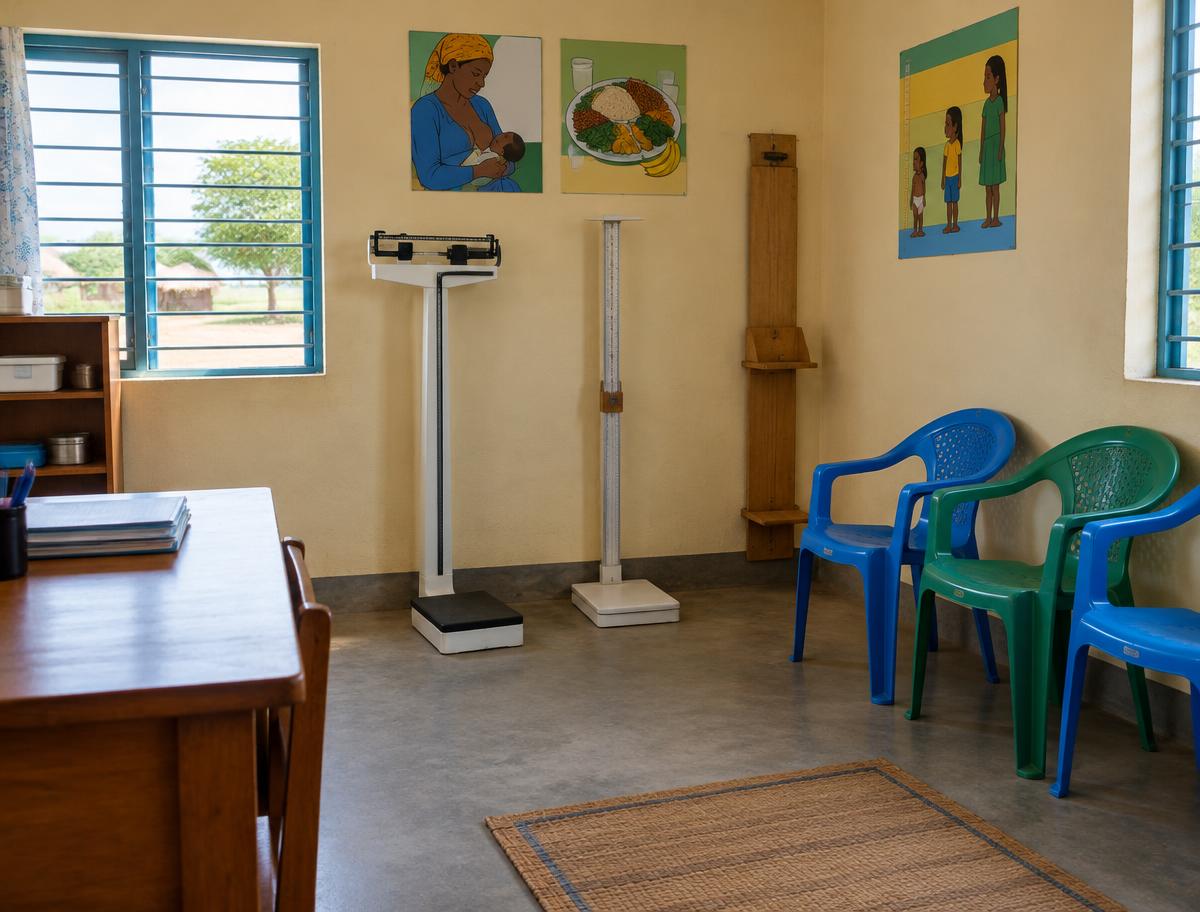
UNICEF said children are bearing the heaviest burden of the current crisis in Baidoa, both as casualties of the fighting itself and as the group most vulnerable to acute malnutrition, which can cause lasting physical and developmental harm even in children who survive it. Damage to health facilities compounds the risk, since malnourished children often require specialist medical treatment that becomes harder to access when local clinics and hospitals are forced to close or scale back services due to insecurity.
Calls for protection
UNICEF has called for the protection of schools and health facilities in Baidoa, urging all parties to the fighting to avoid targeting or operating from civilian infrastructure that children and families rely on. Such appeals are a routine part of the agency’s response to conflicts affecting children, reflecting international humanitarian law principles that are intended to shield schools, hospitals and other civilian infrastructure from military use or attack.
What happens next
It remains unclear how quickly the fighting in Baidoa might subside or whether a political resolution to the dispute over South West State's leadership can be reached. In the meantime, aid agencies are expected to continue appealing for access and resources to address the hunger crisis in the city, even as insecurity complicates efforts to deliver assistance to the people most in need.


