
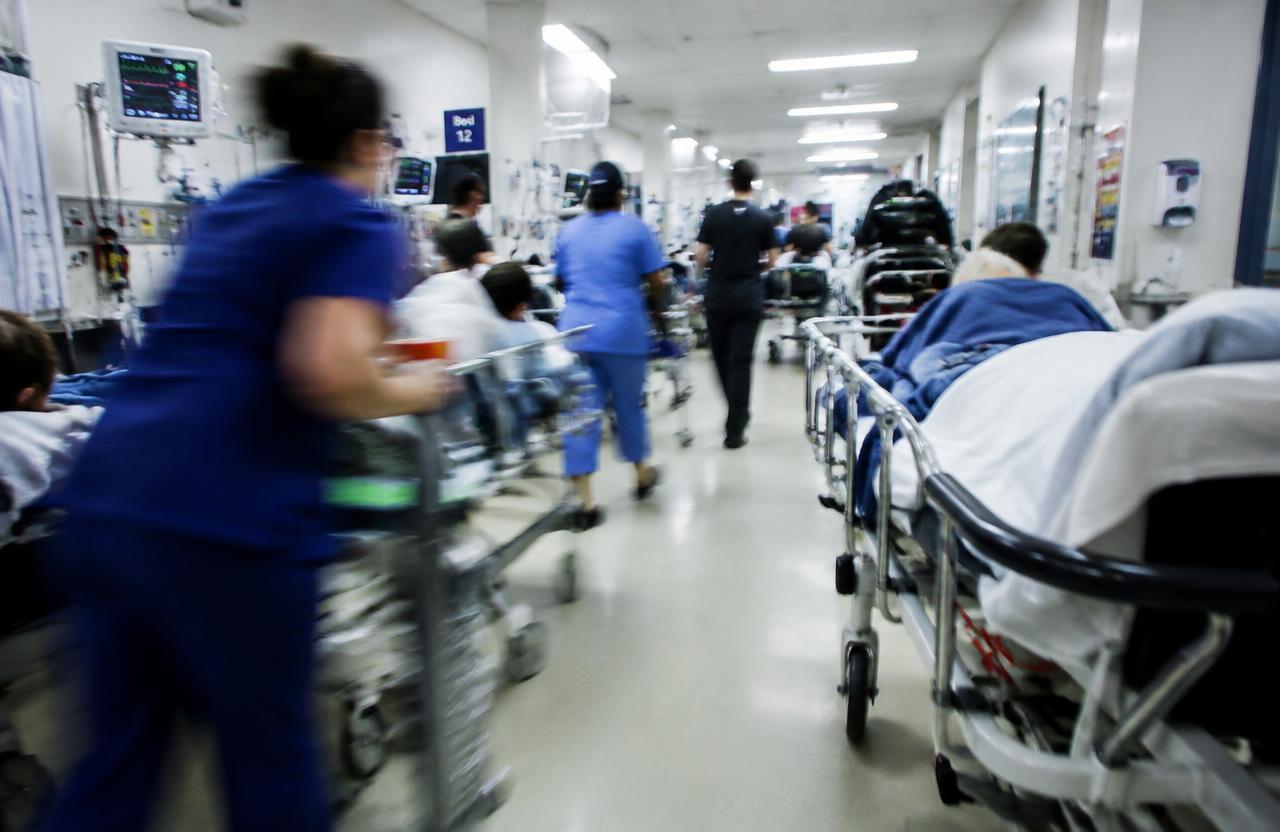
Scotland has recorded its second-worst week for long waits in accident and emergency departments since records began, and winter has not yet arrived.
Official figures show 12,074 patients waited more than the four-hour target at emergency departments in the week ending 4 October. Only 58.9% of patients were seen, admitted, transferred or discharged within that time.
The government's target is for 95% of patients to be dealt with within four hours.
Long waits
The worst week on record remains the week ending 18 December 2022, when 12,163 people waited more than four hours and only 55.2% were seen within the target.
The latest figures also show that 2,122 patients, or 7.2%, waited more than 12 hours in emergency departments, while 4,814, or 16.4%, waited more than eight hours.
Research has linked long A&E waits to an increased risk of harm and death, particularly for older patients who spend many hours on trolleys before being admitted to a ward.
Opposition attacks
The Scottish Conservatives said the SNP was "presiding over horrendous waiting times even before winter has begun to bite".
Health spokesman Miles Briggs said: "Their flimsy winter plan last week exposed another SNP health secretary who does not have a clue how to fix the permanent crisis in A&E. We know these excessive waits lead to needless deaths in A&E departments and it is scandalous that over 2,000 patients are routinely waiting more than half a day to be seen."
Scottish Labour's health spokeswoman, Dame Jackie Baillie, criticised First Minister John Swinney's claim that the NHS was "turning a corner". "The reality is that record numbers of patients are waiting more than four hours," she said. "A rising number of people are choosing to go private as waits in our health service are far too long. We need urgent action to tackle waiting times, not more gimmicks from SNP ministers."
Scottish Liberal Democrat health spokesperson Adam Harley said: "The situation is desperate: patients are being treated in corridors or left in waiting rooms for hours on end. The crisis in social care is at the heart of these pressures."
Government response
Health Secretary Angela Constance said the figures showed why continued focus on the government's plans to improve urgent care was needed, and pointed to work to treat more patients in the community and reduce delays in discharging people from hospital.
The Scottish government has said its winter plan includes extra funding for social care, more use of "hospital at home" services and a drive to encourage people to use alternatives to A&E, such as NHS 24 and pharmacies, where appropriate.
Delayed discharge
Doctors' leaders say the root of the problem lies further along the system. When patients who are well enough to leave hospital cannot be discharged because care packages or care home places are not available, beds remain occupied, and new patients cannot be admitted from A&E.
That leaves emergency departments crowded with patients waiting for beds, ambulances queuing outside, and staff working under intense pressure.
The Royal College of Emergency Medicine has repeatedly warned that corridor care has become normalised in parts of Scotland, and has called for more hospital beds and social care capacity.
A difficult winter ahead
With flu and other respiratory viruses expected to rise in the coming weeks, health boards are bracing for further pressure. Officials are urging eligible people to take up flu and Covid vaccines to reduce avoidable admissions.
The state of the NHS remains the dominant issue in Scottish politics. For patients, the question is simpler: how long they will wait when they need emergency care this winter.


