
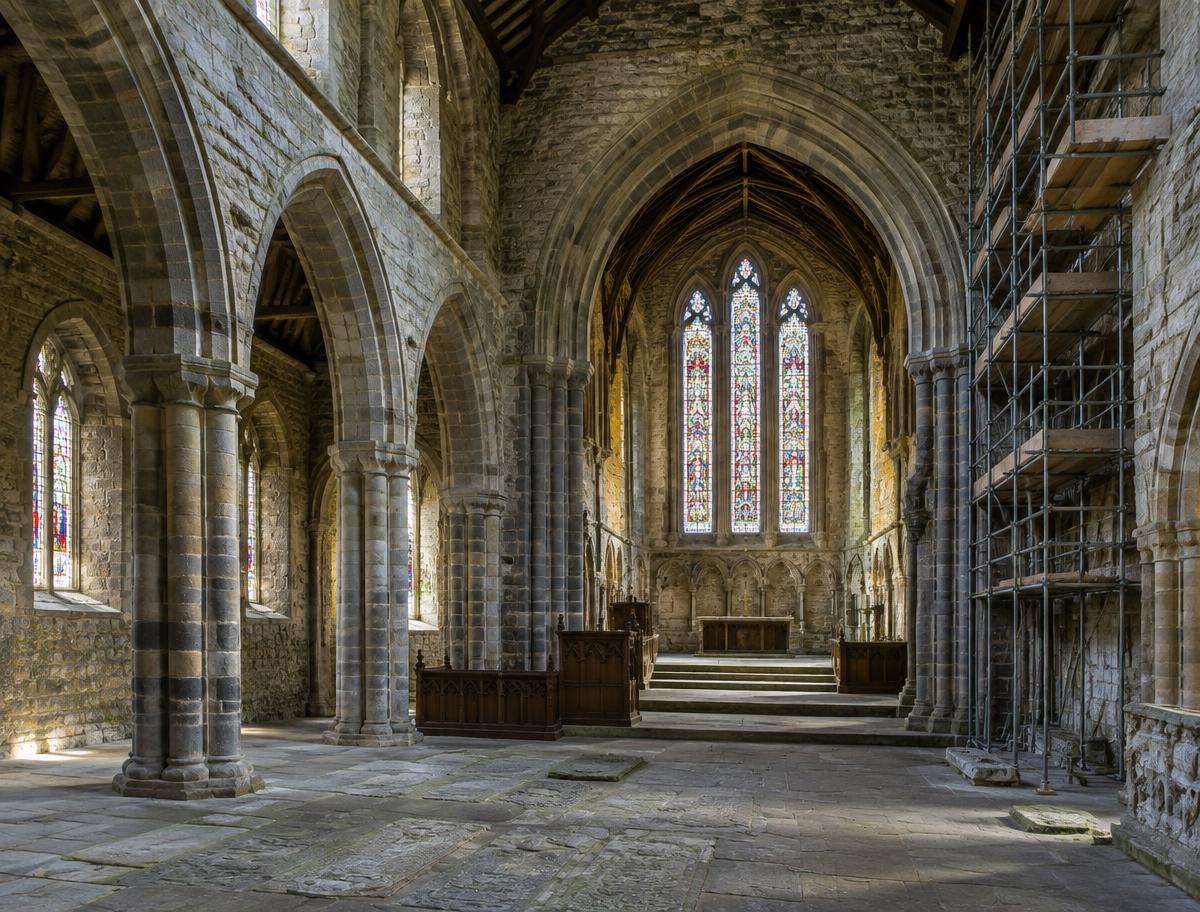
Historic Environment Scotland has opened a £1 million pilot fund to help congregations and other custodians repair and conserve listed places of worship across the country.
The grants are specifically designed to help cover VAT costs on eligible repair and conservation work, an expense that heritage bodies say can make maintaining older religious buildings significantly more difficult for the often small, volunteer-led groups responsible for them.
Why VAT costs matter for historic buildings
Repair and maintenance work on listed buildings is generally subject to the standard rate of VAT in the UK, unlike new-build construction, which in many cases qualifies for a zero rate. Heritage organisations have long argued this creates a financial disincentive to repair historic structures rather than replace them, an issue that has particularly affected churches, chapels and other religious buildings, many of which rely on fundraising, congregational donations and volunteer effort to cover maintenance costs.
A separate UK-wide Listed Places of Worship Grant Scheme has previously offered similar VAT relief south of the border, and Historic Environment Scotland’s new pilot is intended to provide equivalent support north of the border for Scotland’s listed religious buildings.
How the fund will operate
Applications will be handled on a first-come, first-served basis from the scheme’s opening on 1 October 2026 through to March 2027, subject to the £1 million allocation remaining available. This means the fund could, in practice, be exhausted before the stated closing date if demand is high, making early applications potentially more likely to succeed.
The scheme applies specifically to buildings with listed status, meaning it is not available to every place of worship in Scotland, and it is designed to help with the specific VAT element of eligible repair and conservation costs rather than funding the entirety of any given project.
Widening access to the scheme
Historic Environment Scotland has made application guidance and materials available in six languages, including Gaelic, Urdu and Hebrew, reflecting the diversity of religious communities across Scotland that maintain listed buildings, from historic Church of Scotland and Catholic churches to synagogues, mosques and other places of worship with listed status.
Officials say the multilingual materials are intended to ensure groups can properly understand eligibility criteria and the application process before committing time and resources to a bid, though eligibility ultimately still depends on the specific building and the nature of the proposed conservation work.
What happens next for custodians
Because the fund operates on a rolling, first-come basis rather than a single competitive deadline, custodians of listed places of worship wishing to apply are being encouraged to check Historic Environment Scotland’s official guidance promptly and prepare the necessary supporting information for a bid. The ultimate number of buildings able to benefit from the £1 million pilot will depend on how many eligible applications are received and their individual size, meaning some congregations could miss out if the fund is allocated quickly.
How it compares south of the border
The UK-wide Listed Places of Worship Grant Scheme, which has operated in England for many years, has previously provided similar VAT relief to historic religious buildings, and has at times faced funding reductions that reduced the amount of support available to individual congregations. Heritage organisations in Scotland have long argued that a comparable scheme was needed north of the border, given the similar financial pressures facing custodians of listed churches, chapels, synagogues and other places of worship across the country.
The scale of Scotland’s listed places of worship
Scotland has thousands of listed buildings used as places of worship, ranging from medieval parish kirks and cathedrals to Victorian-era churches and more recently built synagogues and mosques, many of which face significant repair costs linked to ageing roofs, stonework and timberwork. Historic Environment Scotland has previously highlighted places of worship as among the building types most at risk of falling into disrepair, given the particular combination of architectural complexity, limited congregational income and the specialist conservation skills often required to maintain them properly.


