
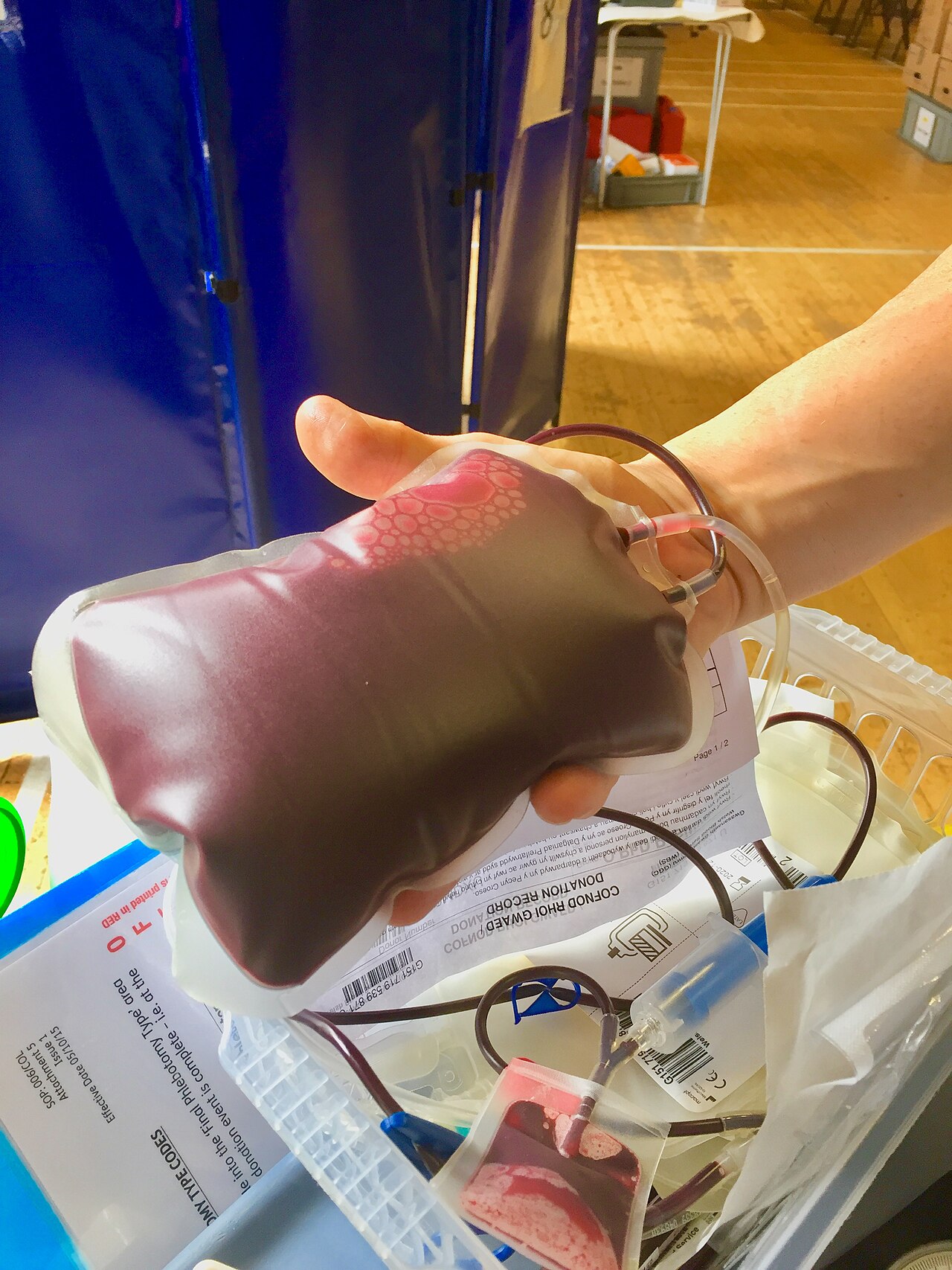
Hospitals across Scotland have been placed under an amber alert over blood supplies for the first time in the country's history, after stocks fell to what the Scottish National Blood Transfusion Service described as unprecedented low levels.
The alert came into force at 9am on Tuesday and will remain in place for an initial four to six weeks, kept under review. Medics are being asked to use Group O blood only when it is essential, and to make the most of alternatives to transfusion wherever it is clinically safe to do so.
SNBTS, which supplies every hospital in Scotland, aims to hold between five and seven days' worth of blood across all groups. But stocks have been below target for several weeks, with supplies of Group O — the universal type that can be given to almost any patient in an emergency — falling below two days' supply on several occasions.
Why Group O matters
Group O negative blood is often called the universal donor type because it can be transfused to patients of any blood group when there is no time to test them — in road traffic accidents, major trauma and emergency surgery. That makes it the first blood reached for in the most critical moments, and the first to run short when donations fall.
The service said the shortage reflected a national fall in the number of blood donors combined with an increase in the use of Group O blood in recent months. Donor centres in Aberdeen, Dundee, Edinburgh, Glasgow and Inverness have all seen numbers drop, with only 85 per cent of appointments filled on average over the past few months.
Around 135,000 units of blood are needed each year to treat patients in Scotland — for cancer treatment, childbirth, surgery and chronic conditions as well as emergencies. Yet only about 2 per cent of the eligible population currently gives blood.
"Appointments need to be fully booked all year"
Dr Lorna McLintock, medical director at SNBTS, said: "To supply hospitals with the 135,000 units of blood they need each year to treat patients, appointments need to be fully booked all year."
The service warned that the winter months can be particularly difficult, as seasonal illness, bad weather and the run-up to Christmas all tend to depress donor attendance at exactly the time when demand from hospitals rises.
Under the amber alert, hospitals are asked to manage their use of Group O blood carefully rather than to cancel treatment. Officials stressed that patients who need a transfusion will still receive one, and that the measures are designed to protect emergency and essential care while stocks recover.
What an amber alert means for patients
An amber alert is the second of three escalation levels used by blood services, sitting between business as usual and a red alert, which would require hospitals to restrict transfusions to the most urgent cases. Scotland has never previously needed to declare one, although NHS Blood and Transplant has issued amber alerts for England in recent years when stocks fell to critical levels.
For most patients, nothing should change immediately. Planned operations and routine treatments are expected to proceed, but clinical teams will be reviewing each case to ensure blood is used only where it is genuinely needed, and considering alternatives such as iron therapy or cell salvage where appropriate.
The alert also serves as a public appeal. SNBTS is urging existing donors to keep their appointments and new donors to come forward, particularly those with Group O blood and those from communities whose blood types are in short supply.
How to donate
People aged 17 to 65 who are in good health can generally register to give blood, and existing donors can continue up to the age of 75. A single donation takes around an hour from arrival to departure, with the actual bleed lasting between five and ten minutes, and each donation can help save or improve the lives of up to three people.
Donor centres operate in Aberdeen, Dundee, Edinburgh, Glasgow and Inverness, with community sessions held in towns and villages across the country throughout the week. Appointments can be booked through the Scotblood website or by phone, and the service says it will be adding extra sessions where it can to meet the shortfall.
Health officials said the alert should be seen as a precaution rather than a crisis — but one that requires the public's help to resolve. "Every appointment matters," one senior figure said. "The blood on the shelf today is what keeps Scotland's hospitals running tomorrow."


