
Local authorities, which deliver much of the practical work on flood protection and habitat restoration, are expected to play a central role in putting the strategy into practice once the delivery plan is published.
The strategy follows years of debate at Holyrood over how best to involve the public in major environmental decisions, including previous citizens’ assemblies on climate change that brought together randomly selected members of the public to discuss policy options and make recommendations to the Scottish Government.
Environmental campaigners have broadly welcomed the principle of greater community involvement in climate policy, while some have urged ministers to ensure the strategy leads to real influence over decisions rather than consultation exercises that do not change outcomes.
The Scottish Government has published a new strategy aimed at giving people across Scotland a bigger say in how the country responds to the climate and nature crisis, launched to coincide with Scotland’s Climate Week.
The Public Engagement Strategy for Climate and Nature sets out an ambition to help people understand what climate change means for their own lives, to encourage local action, and to ensure that public views genuinely shape decisions that affect communities.
The thinking behind the strategy
Scottish ministers have faced recurring criticism that climate policy is designed largely at a national level, with limited input from the communities most affected by decisions on issues such as flood defences, heating systems and transport changes. The new strategy is intended to address that gap by building structured ways for local people to feed into climate and nature policy rather than simply being informed of decisions after they are made.
The government pointed to research showing that 72% of people in Scotland agree that climate change is an urgent problem, and said the strategy is designed to convert that broad public concern into active participation in local and national decision-making processes.
Scotland’s emissions record
As part of the launch, the government noted that Scotland’s greenhouse gas emissions have fallen by 50% since 1990, a figure it has cited previously in highlighting progress toward its statutory climate targets. Scotland set earlier, more ambitious interim emissions targets than the UK as a whole, though it has also missed several of those annual targets in recent years, a record that has drawn scrutiny from the Climate Change Committee, the UK’s independent climate advisory body.
Practical support for communities
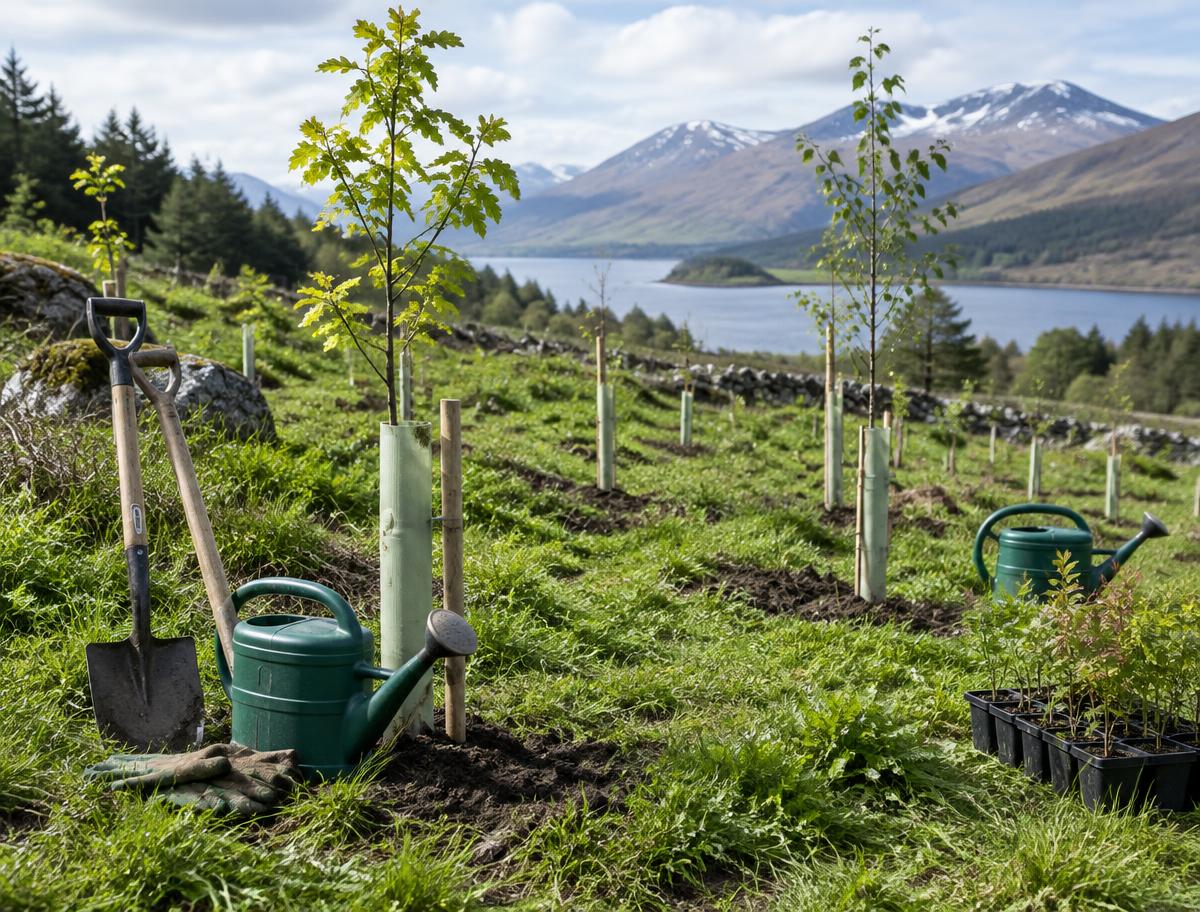
For local residents, the strategy points to practical measures including help protecting homes from flooding, support for restoring natural habitats such as rivers, wetlands and peatland, and assistance with changing how people travel or heat their homes, as Scotland moves toward lower-carbon alternatives such as electric vehicles and heat pumps.
The government also said it would provide more targeted support for people and places most at risk from extreme weather, an acknowledgement that the impacts of climate change, from flooding to heatwaves, fall unevenly across different communities depending on factors such as geography, housing quality and income.
The minister’s comments
Climate Action Secretary Gillian Martin launched the strategy before visiting the Lapwing Lodge Outdoor Centre in Paisley, a facility that has benefited from government-backed solar panels, battery storage and an electric vehicle charging point, presented as an example of the kind of community-level climate investment the strategy aims to support more widely.
Martin said wildfires, flooding, coastal erosion and water scarcity are already affecting communities across Scotland, and argued that people should have a genuine say in decisions that affect their lives as the country adapts to a changing climate.
What happens next
A separate Delivery Plan, due to be published in spring 2027, will set out the specific activities, partnerships and funding commitments needed to put the strategy into practice. Until that plan is published, the current document sets a broad direction for public engagement on climate and nature policy rather than a detailed timetable of local projects or guaranteed funding for community initiatives.


