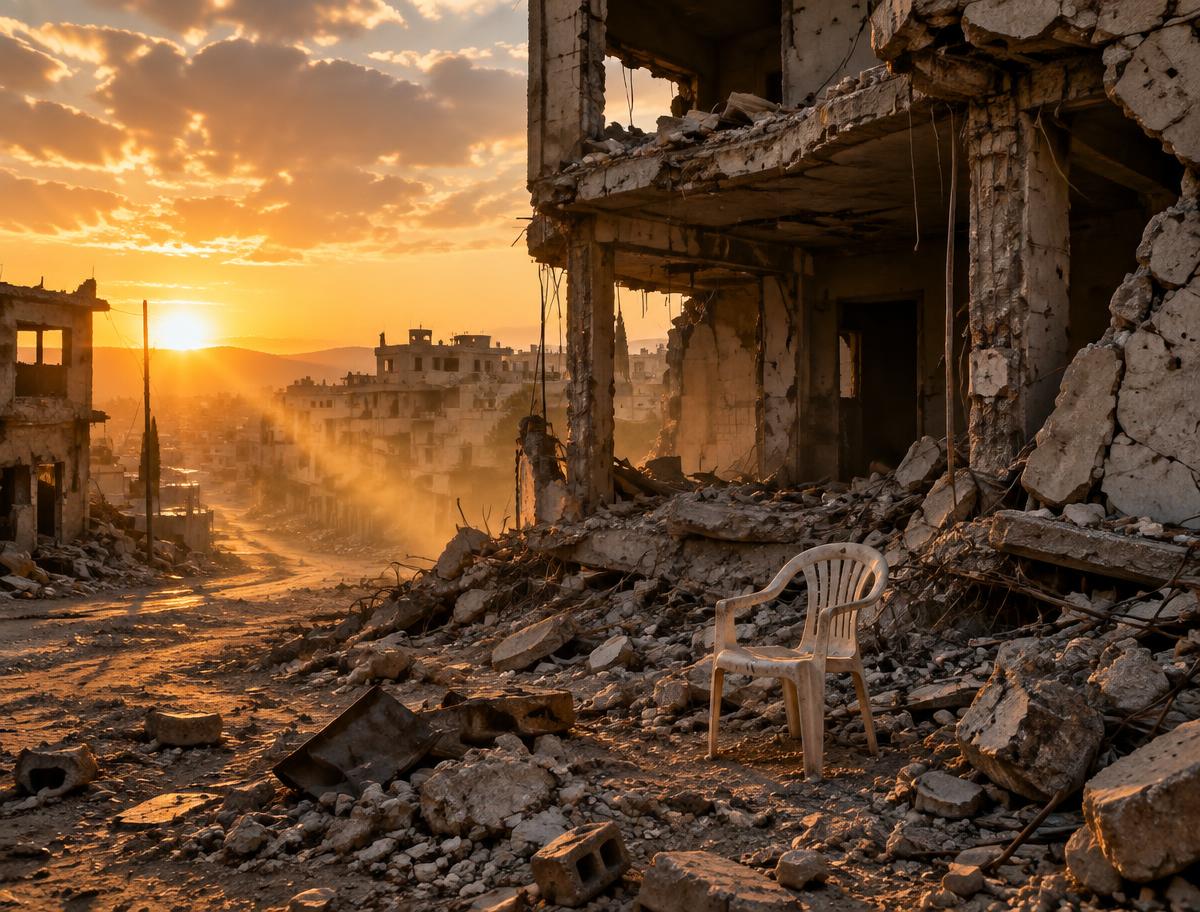
Russia has intensified its bombardment of Ukrainian cities in recent days, striking bridges, apartment blocks and critical infrastructure, even as Ukrainian forces say they have inflicted the heaviest monthly casualties on Russian troops since the full-scale invasion began in February 2022.
The Ukrainian military said Russia suffered 46,230 soldiers killed or wounded in September, a new high for 2026 and close to a target set by President Volodymyr Zelensky in January of 50,000 Russian casualties a month. Kyiv said 2,090 Russian troops were killed or wounded on 28 September alone, the war's highest single-day toll it has recorded. Al Jazeera, like other independent outlets, said it could not verify the figures, though Ukraine maintains it records the bulk of these losses on video, attributing more than 90 percent to first-person-view drone strikes.
Russia's defence ministry has not published comparable casualty figures and rarely discloses its own losses. Ukraine's general staff separately estimates total Russian losses since the war began at more than 1.5 million personnel, a figure Moscow disputes without offering an alternative tally.
Fighting around Donbas
Despite the losses it says it is inflicting, Ukraine acknowledges Russia continues to press attacks on the remaining Ukrainian-held areas of the eastern Donetsk and Luhansk regions, where casualties on both sides have been heaviest. Ukraine's Third Army Corps said its counteroffensive, Operation Vivaldi, had reclaimed 176 square kilometres near the town of Lyman in recent weeks.
Brigadier General Andriy Biletsky, the corps commander, said Ukrainian forces had feigned an attack from the west to draw Russian reserves into costly counterattacks before striking from the north. Kyiv said the operation, which also used remotely operated armoured vehicles packed with explosives, led to more than 250 Russian soldiers surrendering. Footage released by the unit showed Russian prisoners describing shortages of food and water before their surrender; some Russian military bloggers have since criticised their own command over the losses, according to Ukrainian and Western reporting. Russian authorities have not commented publicly on the surrenders.
Strikes on cities
Russia has meanwhile kept up near-nightly drone and missile attacks on Ukrainian cities as autumn approaches, a pattern Kyiv says is intended to damage energy infrastructure and civilian morale before winter. Ukraine's air force said Russia launched 108 Shahed-type attack drones overnight into 2 October, including 47 jet-powered variants, alongside decoy drones; Ukrainian air defences said they shot down or suppressed 88 of them.
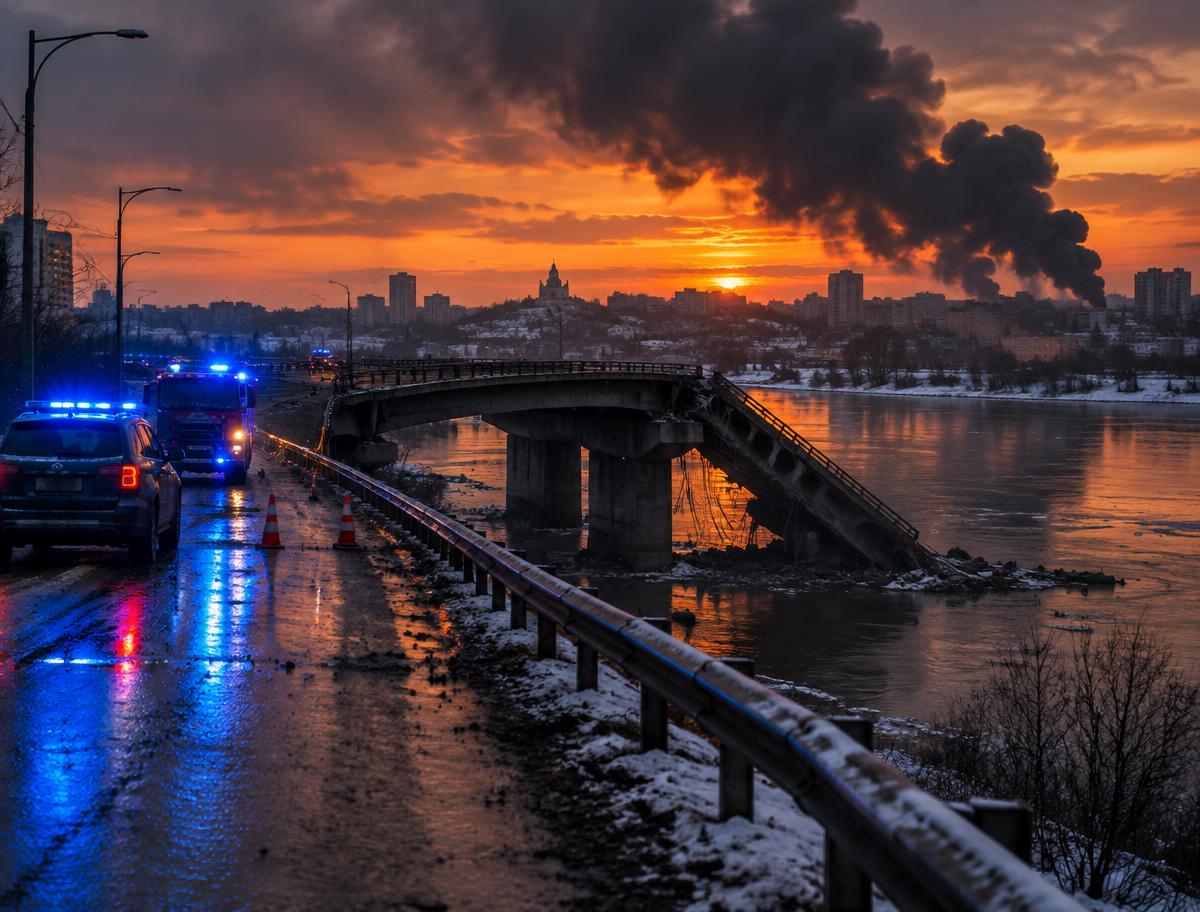
Strikes were recorded at eleven locations, including Kyiv's Pivdennyi Bridge over the Dnipro River, which was hit for a fourth time in two days, forcing the closure of a major crossing during rush hour, according to Kyiv's mayor, Vitali Klitschko. President Zelensky said Russian strikes had also hit residential buildings in Kramatorsk and Sumy, a kindergarten in Kherson, and a grocery store and critical infrastructure in Kharkiv. A Russian FPV drone struck a passenger bus in Kramatorsk on 2 October, injuring two people, according to the city council, which described the attack as targeting civilians going about routine journeys. Glide bomb strikes on Kharkiv were reported to have killed women and injured children, Ukrainian officials said.
Russia's defence ministry has consistently said it targets only military and military-industrial sites, and has accused Ukraine of using civilian infrastructure for military purposes, an allegation Kyiv denies.
Diplomacy and allied support
No ceasefire talks are known to be under way between Moscow and Kyiv, and both sides have continued to reject terms proposed by the other over the course of the war. The United Kingdom this week sanctioned seven Russian individuals over the deportation and alleged indoctrination of Ukrainian children, an issue Kyiv and Western governments have long raised as a war crime; Moscow has denied wrongdoing and says the children were evacuated for their safety from combat zones.
Ukraine says it is working to scale up domestic production of interceptor drones, aiming for up to 400 a month, as Russia increasingly deploys jet-powered Shahed variants that are harder to shoot down, Zelensky said. Ukrainian intelligence has also warned that Russia is planning to expand so-called hybrid warfare activity in Europe, a term covering sabotage, cyberattacks and disinformation campaigns that several European governments have already accused Moscow of conducting on their territory. The Kremlin has repeatedly denied involvement in such incidents.
Context
Russia launched its full-scale invasion of Ukraine in February 2022, and the two countries have fought a grinding war of attrition since, with front lines shifting only gradually despite enormous losses of personnel and equipment on both sides. Russia currently controls swathes of eastern and southern Ukraine, including most of Luhansk region, while Ukraine has in recent months conducted localised counterattacks aimed at reclaiming territory in Donetsk.
What happens next
With winter approaching, both sides are expected to focus on energy infrastructure: Russia targeting Ukraine's power grid, and Ukraine continuing long-range strikes on Russian refineries and logistics. Ukrainian officials say they hope continued Western military and financial support, including additional air defence systems, will help offset Russia's drone and missile campaign. No date has been set for renewed peace negotiations, and both governments have signalled they expect the fighting to continue into 2027 absent a major shift in battlefield conditions or outside pressure.