Deadly strike on Saudi capital's main airport
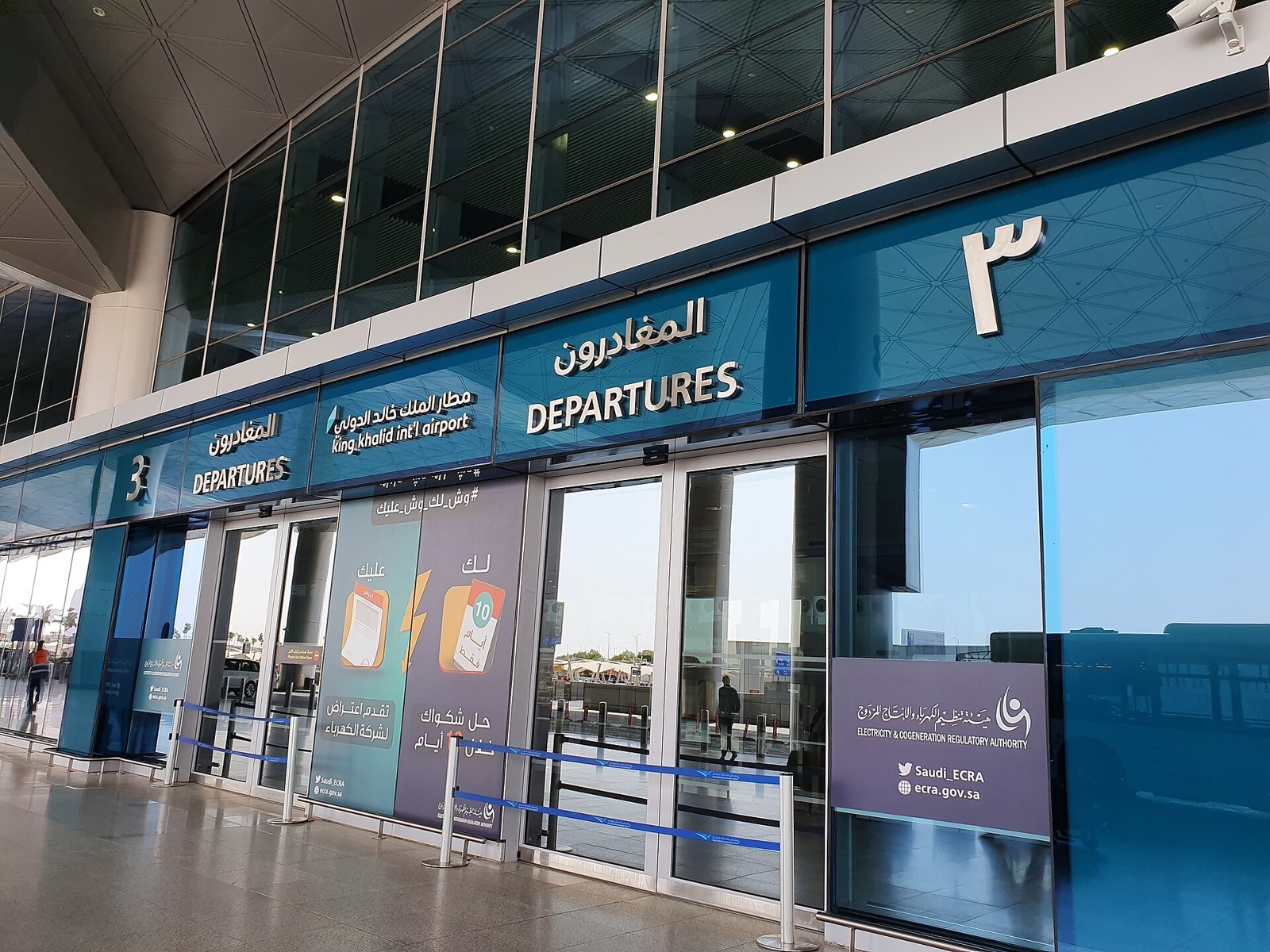
At least 12 people have been killed and 309 injured in an attack on King Khalid International Airport in the Saudi capital, Riyadh, local authorities said, in what has become the deadliest attack on Saudi soil since May 2015. The Saudi civil aviation authority confirmed the toll on Saturday, saying some of the wounded remained in critical condition.
Operations at the airport were suspended following the strike. The civil aviation authority said the facility would remain closed while damage was assessed and safety verified in coordination with relevant agencies, according to the BBC.
Who was killed
The dead included four Saudi nationals, two people from Bangladesh, and one person each from the United States, Jordan, Palestine, Syria, Sudan and Egypt, the Saudi civil aviation authority said. US Secretary of State Marco Rubio confirmed an American citizen was among those killed and strongly condemned what he called recent attacks on Saudi Arabia.
An eyewitness told the Reuters news agency they saw more than a dozen ambulances rushing to the airport. Another witness, cited separately by AFP, said they had been at a gate in the domestic terminal when a nearby gate was struck, describing seeing injured people and others running from the scene.
Coalition response and disputed attribution
A Saudi-led military coalition fighting in Yemen vowed to respond to the attack, which its spokesman, Major General Turki al-Maliki, described as a war crime that resulted in deaths and injuries among civilian passengers and airport staff. He said the coalition's Joint Forces Command would respond in line with international humanitarian law.
As of the BBC's latest report, published shortly after the attack, the Houthis themselves had not commented on Saturday's strike. The group did say separately that it was behind strikes on the same airport on Thursday, which killed three people and damaged a plane. A diplomatic source had attributed the Saturday attack to a missile, according to wire agency reporting, but the Houthis' silence on this specific strike means the attribution as reported by the BBC rested on the Saudi-led coalition's assessment rather than a Houthi claim of responsibility, a distinction worth noting given the rapidly evolving situation.
Wider pattern of attacks
The Houthis had not commented on Saturday's strike at the time of the initial reporting. They separately claimed responsibility for an attack on the same airport on Thursday that killed three people and damaged an aircraft. That claim does not establish responsibility for the later strike. A diplomatic source described Saturday's attack as a missile strike, while the coalition explicitly blamed the movement.
Fighting has recently escalated between Yemen's Saudi-backed government forces and the Houthis, who are backed by Iran and control most of the country. The BBC noted that the group's intensified campaign against Saudi targets has followed the breakdown of an earlier truce.
International reaction
UN Secretary-General António Guterres said he was alarmed by the attack, according to the BBC. Kuwait's foreign ministry, in a statement on X, condemned the strikes. Rubio's condemnation extended to what he characterised as a pattern of recent attacks on the kingdom, rather than this incident alone.
What remains unclear
Saudi authorities are assessing the damage and safety of the terminals before reopening the airport. The coalition blames the Houthis, but the movement had not acknowledged this particular attack when the initial reports were published. Further official updates are needed to establish the extent of disruption, whether the death toll changes and how the promised military response develops.
Civilian aviation at the centre of the crisis
The international mix of the victims underlines the airport's role as a civilian transport hub rather than simply a local facility. Its closure also leaves travellers facing disruption while safety checks continue. Neither the coalition's promise of retaliation nor the initial casualty figures resolve the central questions about how the attack penetrated airport defences and whether further strikes can be prevented.
For families of those killed and passengers waiting for information, the immediate priorities are treatment of the injured, identification of victims and reliable updates on services. Those practical questions remain distinct from the military and diplomatic argument over responsibility. The death toll and airport closure are confirmed by Saudi authorities; the identity of the attackers remains an attributed allegation pending further evidence.