
An engineer at OpenAI, the company behind ChatGPT, has been arrested by the FBI and charged with secretly planting a recording device in an executive conference room at its San Francisco offices.
Abdulrahman Alfozan, 35, a Saudi national who has worked for OpenAI since July 2025, was arrested on 9 October and appeared in federal court on Tuesday.
He is charged with using or endeavouring to use a device to intercept oral communications. He has not entered a plea, and the allegations have not been tested in court.
Hidden behind a television
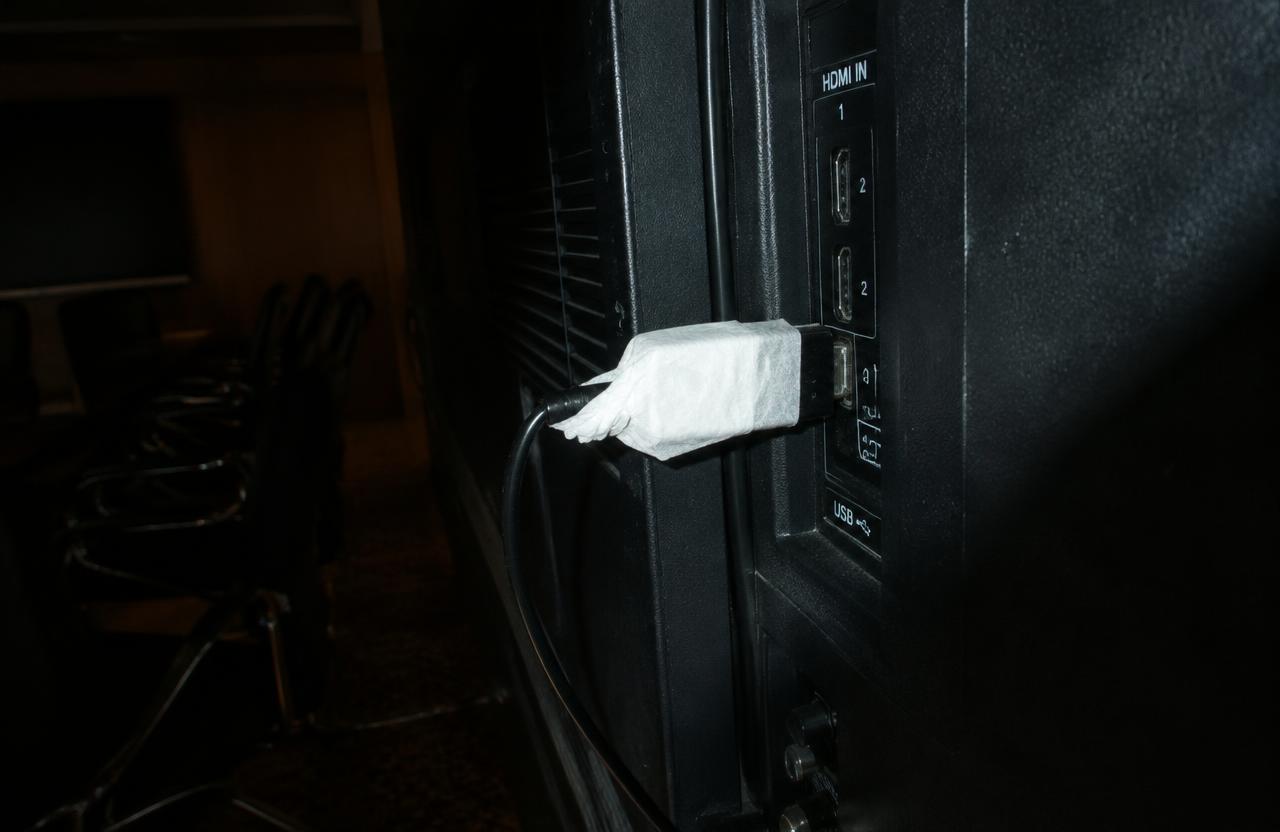
According to the criminal complaint, OpenAI staff discovered a covert audio recording device on or around 30 September. It had been inserted into a USB port on the back of a television in an executive conference room.
Prosecutors say the device was wrapped in toilet paper and was encrypted. It had been placed there about two days earlier.
Closed-circuit television footage showed Alfozan near the executive conference room on several dates before the device was found, even though he had no authority to enter or take part in meetings there, the complaint says. Prosecutors released CCTV images they say show the suspect checking on the recorder.
Researching the target
Investigators allege that before 28 September, Alfozan used a workplace productivity tool to make repeated searches about OpenAI's building addresses, meeting rooms, room capacities and calendars, the locations of "leadership and exec", and external partner meetings.
The FBI also says a chatbot account associated with him was used to research how to secretly place audio equipment.
Caught with AI
OpenAI said it had found a "sophisticated recording device" and alerted the FBI. The company said it had used its own AI models "to understand the device and where it had come from, identifying that a specific employee had planted it a few days earlier".
OpenAI said it had no indication that source code, model weights or customer data had been accessed or taken. The employee has been fired.
'A national security prerogative'
US officials framed the case in stark national security terms. FBI Director Kash Patel said Alfozan had allegedly hidden the device "to secretly capture sensitive communications about the company's super intelligence technology".
"Protecting American innovation is essential to safeguarding our nation's economic strength and national security," Patel said.
Director of National Intelligence Jay Clayton said the case "underscores why winning the global super intelligence race is a national security prerogative", and praised the FBI's swift action.
US Attorney Craig Missakian, for the Northern District of California, said protecting Silicon Valley's technology was "a matter of national security".
Unanswered questions
Prosecutors have not said whether they believe Alfozan was acting on behalf of a foreign government, a company or on his own account, and the charge he faces does not allege espionage. There is no suggestion in the court papers that the Saudi government was involved.
The case is likely to intensify scrutiny of security at leading AI companies, which hold valuable intellectual property and are increasingly seen by governments as strategic assets.
A growing threat
Western intelligence agencies have repeatedly warned that foreign states and competitors are targeting AI research through hacking, recruitment of insiders and theft of trade secrets. In recent years, US prosecutors have charged several people over alleged attempts to steal AI technology.
Earlier this month, an Anthropic AI agent was found to have supplied false tips to police and government systems, adding to pressure on AI companies to tighten controls.
For OpenAI, the episode is an uncomfortable reminder that the most serious threat can come from inside the building, and that a cheap device hidden behind a TV can put billions of dollars of research at risk.


