
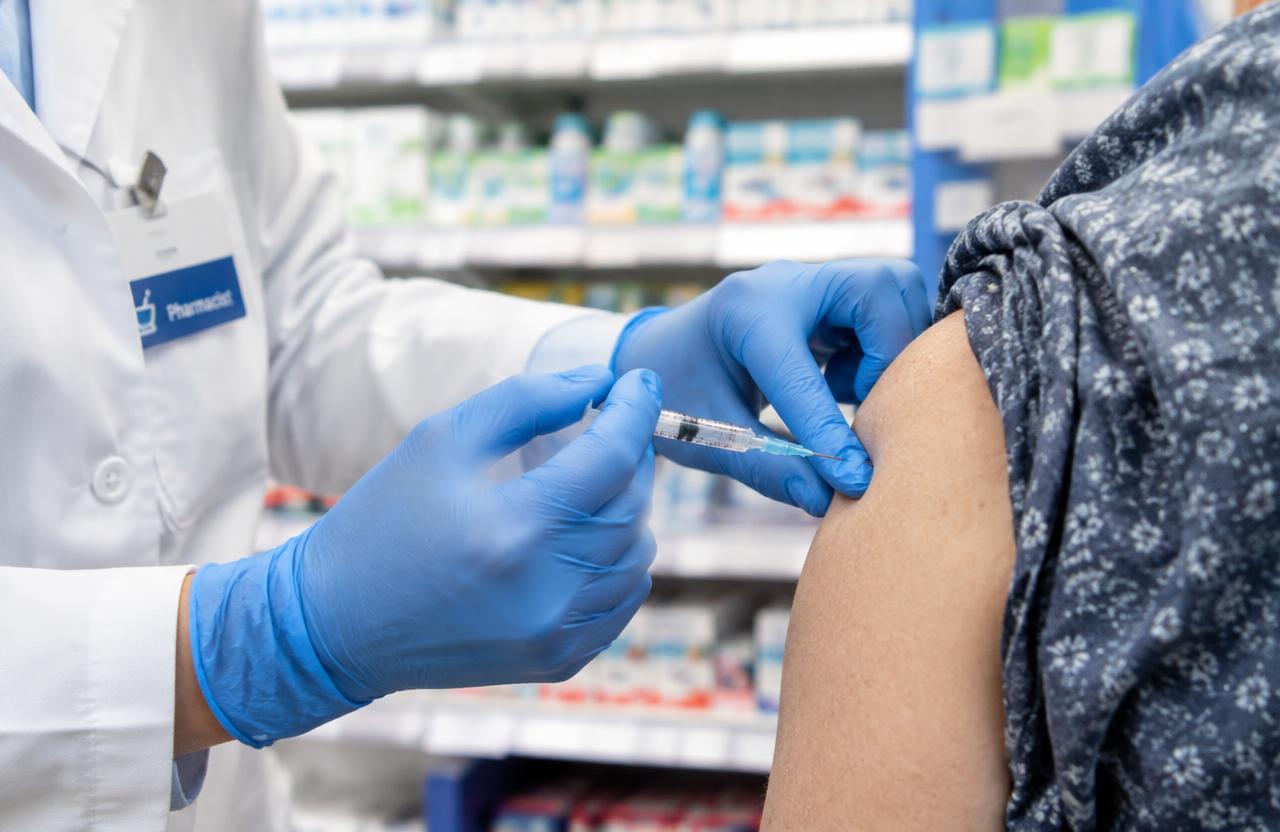
The NHS has launched a major winter campaign warning that one in four people are at greater risk of becoming seriously ill from flu, as hospitals prepare for a rise in admissions in the colder months.
The drive, which began on Tuesday in Birmingham, the Black Country and Solihull and will run until December, is part of a wider national push to increase take-up of free vaccines among those most vulnerable to flu and other respiratory viruses.
'More than a bad cold'
Health officials say flu is often wrongly seen as a minor winter illness. While it may be unpleasant but manageable for most healthy people, it can lead to serious complications, hospital treatment and even death.
Those most at risk include people with long-term conditions, pregnant women, people with weakened immune systems, those aged 65 and over, and young children.
Ian Sharp, medical adviser at NHS Birmingham and Solihull and NHS Black Country, said: "One in four people across our area are at greater risk from flu, and many may not even realise it. For those more vulnerable, it can have much more serious consequences and long-term complications."
He urged people to understand their own risk factors. "Whether you're pregnant, living with a long-term health condition, are over 65 or have a young child aged two to three, or at school, getting protected now can make a real difference as we head into winter."
Reaching those who miss out
The campaign will use radio, advertising, public transport, social media and community channels, with targeted activity in areas where vaccination rates have historically been lower.
Many eligible people will already have been invited by their GP practice. Those who missed the invitation can book through their surgery or a participating pharmacy. Schools are offering the vaccine to pupils with parental consent, and a mobile vaccination unit is visiting community locations where people can simply drop in.
Hospitals brace for winter
Dr Barbara King, a GP and medical director for urgent and emergency care in the region, said hospitals and GP practices see a sharp increase in attendances every winter due to avoidable illnesses such as flu.
"For a significant proportion of these patients, they are eligible for a flu vaccination but didn't get it, even though it could have helped ensure they stayed healthy and reduced the need for treatment," she said.
"By more people getting protected, it helps relieve pressure on our already incredibly busy services, and people have better health outcomes."
RSV warning from Wales
The flu campaign comes as health services across the UK also promote vaccination against respiratory syncytial virus (RSV), which can cause severe illness in babies and older adults.
In Pembrokeshire, a mother whose baby became seriously ill with a respiratory infection told the BBC that doctors had warned her to "prepare for the worst". She is now urging other pregnant women to take up the RSV vaccine, which helps protect newborns in their first months of life.
RSV vaccines are offered to pregnant women from 28 weeks and to older adults in eligible age groups.
A familiar winter challenge
Every year, flu and other winter viruses add pressure to NHS services already dealing with long waits in emergency departments and difficulties discharging patients to social care. Health leaders across the UK have repeatedly stressed that vaccination is one of the few measures that can reduce that pressure before it builds.
Take-up among some groups, including younger adults with long-term conditions and pregnant women, has lagged behind older age groups in recent years, which is why campaigns are increasingly focused on local outreach.
Officials say the vaccine needs around two weeks to provide full protection, so getting it in October and November gives the best chance of avoiding illness when flu typically peaks in December and January.
The message from the NHS is simple: if you are eligible, do not wait until flu is circulating widely to get protected.


