
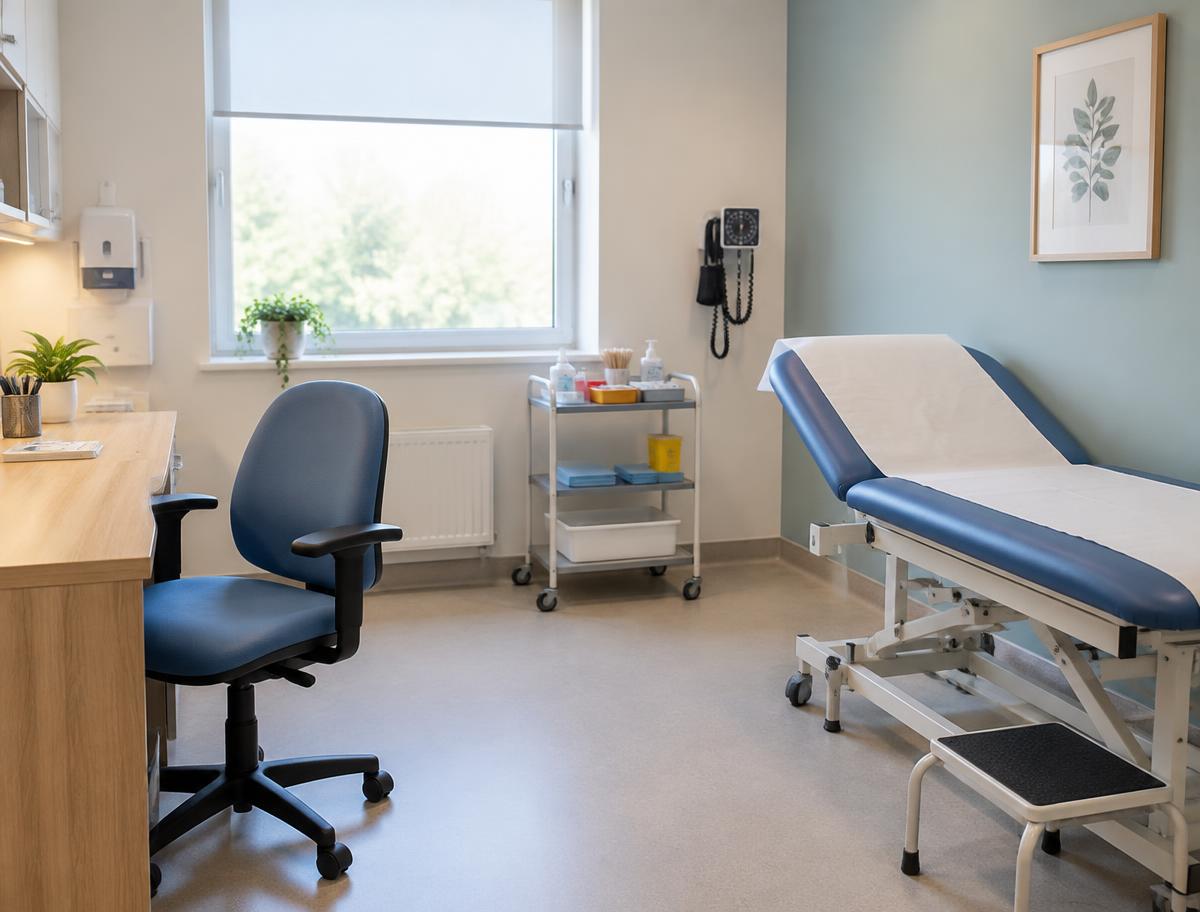
Specialist nurses trained to carry out forensic medical examinations of people who have experienced sexual offences are now available across the whole of Scotland, following a national rollout announced by the Scottish Government.
The expansion of the Nurse Sexual Offence Examiner role follows an earlier test of change, backed by more than £700,000 in Scottish Government funding, and is intended to widen access to trauma-informed care alongside the forensic examinations that can support a later criminal investigation.
A change in what nurses can do in court
In March 2026, the Lord Advocate approved an expanded role for these specialist nurses, allowing them to give opinion evidence in court in the same way that forensic doctors have traditionally done. That change matters because examinations carried out after a reported sexual offence can form a central part of the evidence in a later criminal trial, meaning both the quality of care given to the survivor and the integrity of any evidence gathered need to be managed carefully and consistently.
Previously, forensic examination services for survivors of sexual offences in Scotland relied heavily on specially trained doctors, supplemented in some areas by nurse examiners operating under more limited remits. Expanding nurses’ ability to give expert evidence in court is intended to grow the overall pool of trained professionals able to provide the service, addressing long-standing workforce pressures in this specialist area of medicine.
Addressing gaps in rural and island Scotland
The Scottish Government has said the change is particularly significant for rural and island communities, where access to forensic examination has historically depended more heavily on the availability of a small number of private doctors willing to undertake this specialist, often out-of-hours, work. Survivors in remote areas have in the past faced long waits or had to travel considerable distances to be examined, at a time when speed of access can be critical both for evidence gathering and for the survivor’s wellbeing.
By training nurses across NHS boards nationally, rather than relying on a smaller number of doctors concentrated in particular areas, the Scottish Government says the service should become more resilient and less dependent on the availability of individual practitioners. A nationally available, NHS-employed workforce does not guarantee identical waiting times or travel distances in every part of the country, but it does widen the pool of trained staff who can respond when a survivor comes forward.
Trauma-informed care alongside forensic evidence
Scotland’s approach to supporting survivors of sexual offences has shifted significantly over the past decade towards trauma-informed practice, recognising that the way a survivor is treated during an examination can affect both their immediate wellbeing and their willingness to engage with the criminal justice process. Health boards have worked with organisations such as Rape Crisis Scotland to develop forensic examination suites designed to feel less clinical and intimidating than a standard hospital setting.
This approach reflects a wider recognition across Scottish public services that the experience of reporting and being examined after a sexual offence can itself influence whether survivors feel able to continue engaging with the justice system, from initial disclosure through to giving evidence at trial, which is one reason successive governments have invested in training and facilities intended to make the process feel less daunting.
What the change does not guarantee
The Scottish Government’s announcement concerns the availability and legal remit of specialist examiners, not a claim that every survivor of a sexual offence will choose to undergo a forensic examination or report the matter to Police Scotland. Many survivors choose not to report, for a range of personal reasons, and the new system does not change that choice; it is intended to improve the quality and availability of support for those who do come forward.
Measuring the impact
Officials say the true test of the rollout will be how quickly survivors can be seen by a trained examiner, how supported they feel throughout the process, and whether the wider availability of trained nurses reduces the waits that have previously affected some parts of Scotland. The Scottish Government has not published a detailed set of performance targets alongside the announcement, meaning health boards and campaigners are likely to monitor outcomes closely as the national service beds in.


