Norway’s domestic security service has warned that foreign states are using civilian ships, including research vessels and fishing boats, to gather intelligence along the country’s coast and could use them to prepare sabotage. The Police Security Service, known as PST, set out the threat in an article published on 1 October.
The agency described the coastline as a persistent intelligence target because of its length, its proximity to the High North and the Arctic, its shipping lanes and its natural resources.
Covert maritime intelligence
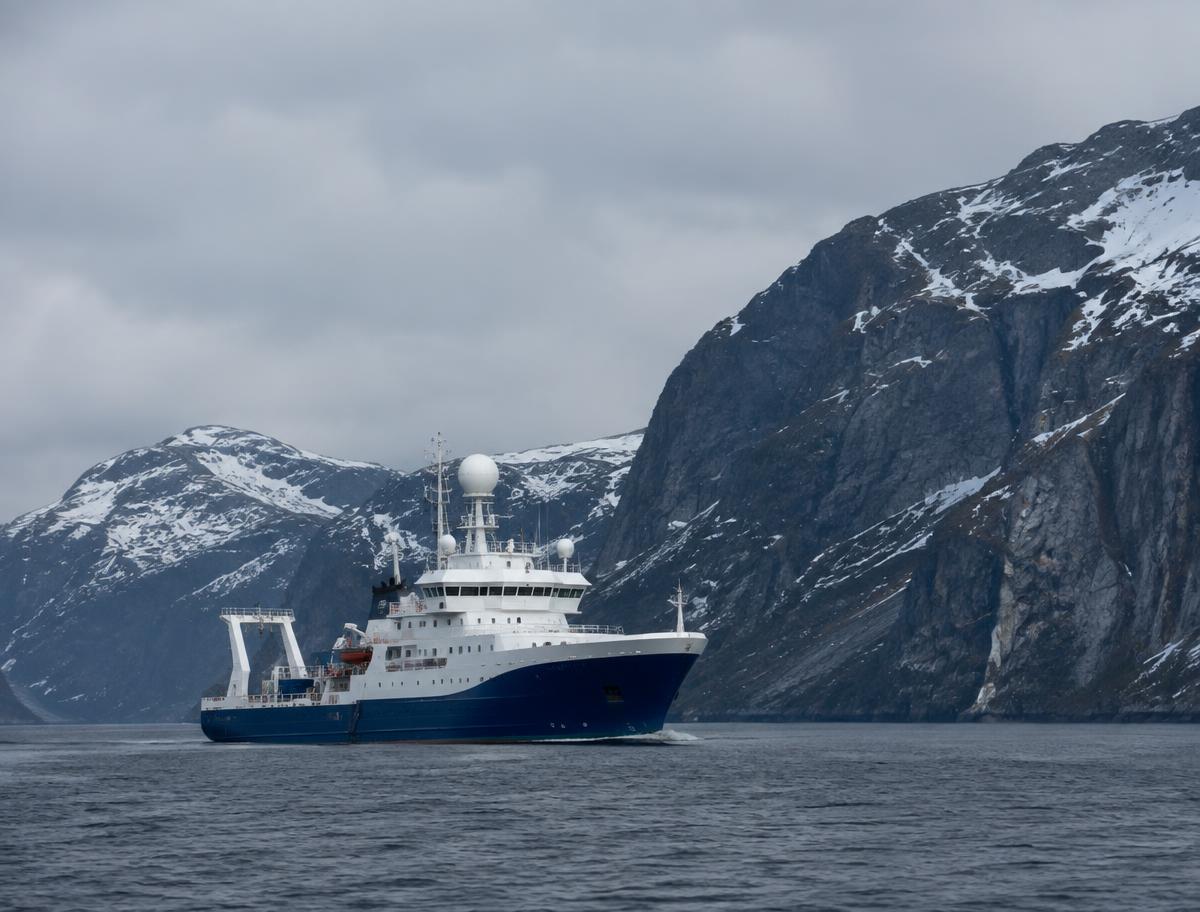
PST calls the practice covert maritime intelligence activity, abbreviated in Norwegian as MFEA. It said a research vessel can provide cover for mapping critical infrastructure along the coast and on the seabed, while a fishing boat can carry intelligence officers posing as fishermen into Norwegian ports.
The same vessels, the agency warned, can prepare sabotage operations and potentially help carry them out. They can also stage incidents at sea to test Norway’s preparedness, with lessons from the official response feeding later intelligence, influence or sabotage operations.
Russian intelligence services have closely monitored Norwegian and allied military activity for years, PST said, seeking information on coastal infrastructure, technology and activity in order to identify vulnerabilities.
Getting round port restrictions
Russian vessels are barred from mainland Norwegian ports except Kirkenes, Båtsfjord and Tromsø, where access is strictly limited. PST said Russia can get around those limits by placing Russian crews aboard civilian vessels registered in other countries, which it assesses as a threat.
Third-country ships with access to Norwegian ports can also be used to smuggle goods covered by sanctions or export controls, the agency added.
Ports, property and China
The warning was not confined to ships. PST highlighted economic tools that can threaten security, such as buying property near protected infrastructure or investing in buildings and ports. It pointed to reports in 2024 that a Chinese actor was interested in developing the port of Kirkenes, near the Russian border, into an Arctic transport hub.
The agency has repeatedly highlighted what it sees as China’s growing intelligence threat and its push to control supply chains and gain a foothold in the Arctic. Foreign involvement in logistics infrastructure, PST said, enables a long-term presence that makes it easier to extract information from Norwegian authorities and to put pressure on them.
Moscow and Beijing have both rejected Western accusations of espionage and sabotage in the past.
The economic warning is significant because it widens the focus from spies and ships to ordinary commercial decisions. A purchase of land beside a military facility or a stake in a harbour can look like routine investment, yet PST argues such footholds can give a foreign state lasting access, information and leverage over local and national decision-makers.
Asking for eyes at sea
Inger Haugland, head of PST’s department for state threat actors, said the service depends on others to do its job. “We are tasked with both uncovering and countering MFEA. To do that, we depend entirely on working with others who have eyes and ears at sea that we don’t have,” she said.
She listed warning signs worth reporting: unusual meetings between vessels at sea, abnormal equipment on board, discrepancies in crew lists, and ships lingering near Norwegian or allied military exercises.
Why the North matters
Norway shares a border with Russia in the far north and is a Nato member with long coastlines facing the Barents and Norwegian seas. Subsea cables and pipelines carrying data and energy to the rest of Europe run off its shores, making seabed mapping of particular concern after several cable and pipeline incidents in northern European waters in recent years.
The PST warning amounts to a request that fishermen, port workers and coastal communities treat what they see at sea as part of national security. It is also a reminder that, in the agency’s assessment, the line between civilian shipping and state activity can be deliberately blurred.