A Ukrainian man identified under German privacy rules only as Serhii K is due to go on trial in Hamburg next week, accused of commanding the sabotage of the Nord Stream gas pipelines beneath the Baltic Sea in September 2022, according to BBC reporting by Eastern and Southern Europe correspondent Sarah Rainsford. He has been charged with causing an explosion and with a war crime — attacking civilian infrastructure — allegedly on behalf of "state agencies of Ukraine". Both he and his government deny any involvement, and under the presumption of innocence he has not been found guilty of any offence.
How the case was built
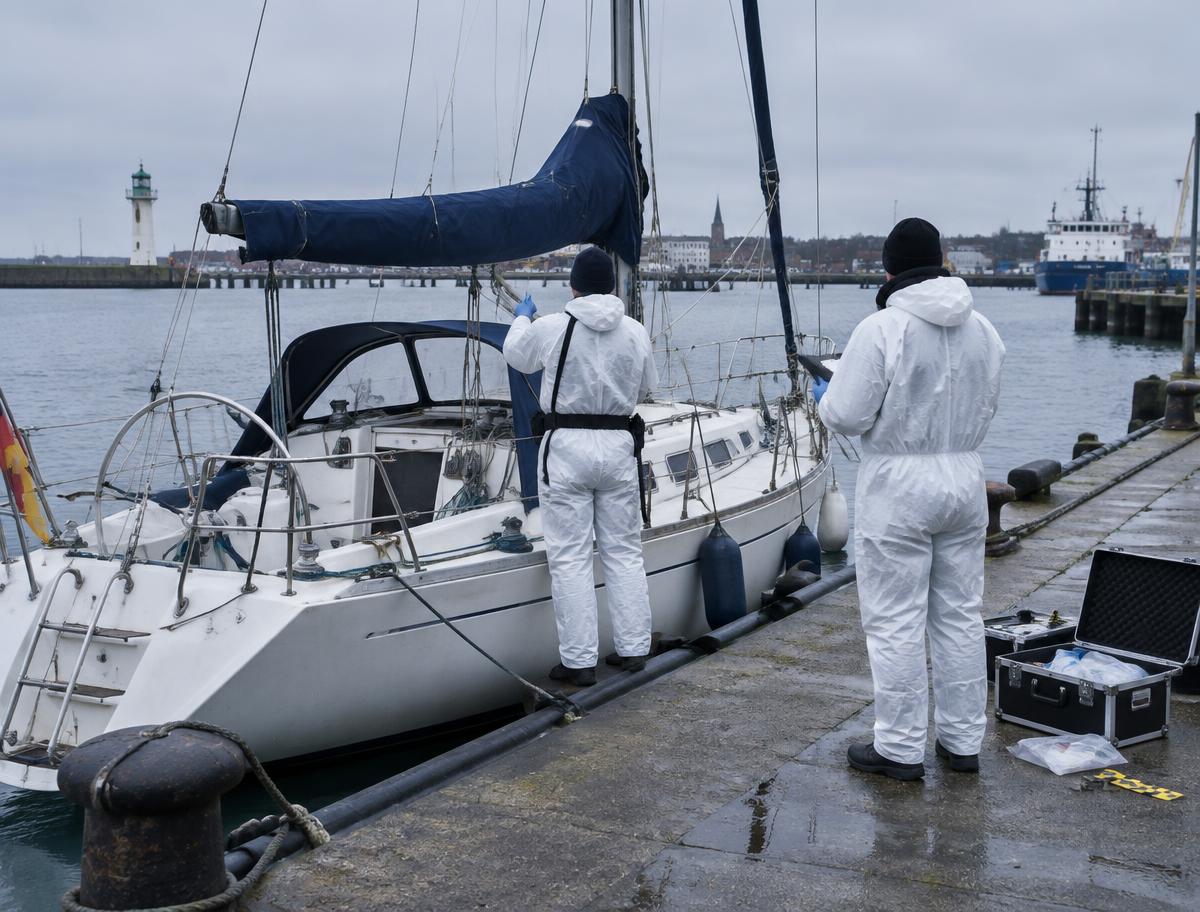
German investigators allege that explosives were planted roughly 80m below the surface: four devices weighing up to 27kg each, triggered by timers. Prosecutors say they "strongly suspect" Serhii K led a crew including four deep-sea divers operating from a rented yacht called Andromeda. Three of the four Nord Stream pipelines were ruptured in three blasts beginning at 02:03 on 26 September 2022, severing a supply route that had carried around half of Germany's annual natural gas demand. Both affected pipelines have remained inoperable since.
German police allege Serhii K entered Germany ahead of the operation on a forged passport, reportedly issued by Ukraine's security services, before the group completed the operation and returned to Ukraine — allegedly unaware that DNA evidence had been left aboard the yacht. In extradition paperwork sent to Italy he was named as Serhii Kulinich; during extradition proceedings he was separately identified as Serhii Kuznetsov. The BBC reports it has seen a copy of his genuine passport showing more than two dozen stamps from countries including France, Spain and Canada, all dated after the attacks, during a period in which he reportedly continued travelling without incident.
German authorities identified him as their key suspect by August 2025. An arrest warrant was issued on 18 August, and he was detained by Italian carabinieri while checking into a glamping resort on Italy's Adriatic coast with his wife and children, after an automatic alert triggered at check-in. He was subsequently extradited to Germany and has spent months in isolation in a high-security prison, according to the BBC.
Initial suspicion fell on Russia
The BBC's reporting notes that when the explosions occurred, some governments and commentators initially suspected Russian involvement, pointing to Moscow's history of hybrid attacks and its use of energy supplies as political leverage, alongside reports of Russian naval activity near the blast site. German investigators say they set aside that speculation and followed forensic evidence, which they say ultimately led to Ukraine. No individual or state has publicly admitted responsibility for the attack.
A second suspect and political fallout
A second man, Ukrainian diver Volodymyr Zhuravlyov, is fighting extradition from Croatia, where he was arrested in August while reportedly working as a consultant on a film about the Nord Stream blasts; he denies any role in the actual operation. A Polish court previously refused to extradite him from Warsaw, with a judge ruling that an attack on Nord Stream, if it occurred, could be considered a "just act" in the context of Russia's invasion of Ukraine.
The case carries significant political weight. Germany has become Ukraine's largest supplier of military aid, and the BBC reports that the far-right AfD party has used the prosecution to argue against continued support for Kyiv, creating friction between Berlin and Kyiv. The case also raises unresolved questions about what counts as a legitimate military target outside a formal war zone. President Volodymyr Zelensky has previously said Ukraine "definitely didn't do that", and Ukrainian foreign ministry spokesman Heorhii Tykhyi told the BBC that debate should focus on who built the pipelines rather than who destroyed them, arguing Nord Stream had given Russia the ability to wage war without relying on transit through Ukraine.
What happens next
Serhii K is expected to become the first suspect to face trial in the case; proceedings against Zhuravlyov could in theory be merged later, though the BBC notes this would be legally complex. Those who know Serhii K describe him as a patriot who served with Ukrainian forces after the 2022 invasion despite having several children and an exemption, fighting until December 2023; his military ID reportedly shows he remained in active service at the time of the pipeline attacks. His legal team is expected to argue he cannot disclose operational details as a serving serviceman, and plans to submit written statements from two military superiors, one of whom the BBC says has previously been named as the case's alleged mastermind. As the trial proceeds, all individuals named remain presumed innocent unless and until a German court finds otherwise.