
NHS Tayside has pleaded guilty to criminal safety failings that led to the death of an 82-year-old dementia patient who suffered catastrophic head injuries after falling from her bed at Murray Royal Hospital in Perth.
Andrea Imrie died on 13 January 2024, a week after she fell while a patient on the Tummel Ward, a 12-bed facility at the hospital that provides treatment and assessment for people over 65 with dementia.
What the court heard
Perth Sheriff Court was told that Imrie had been assessed as a “high falls risk” and had a history of falls in which she had previously sustained significant injuries, meaning staff were aware of the heightened danger she faced.
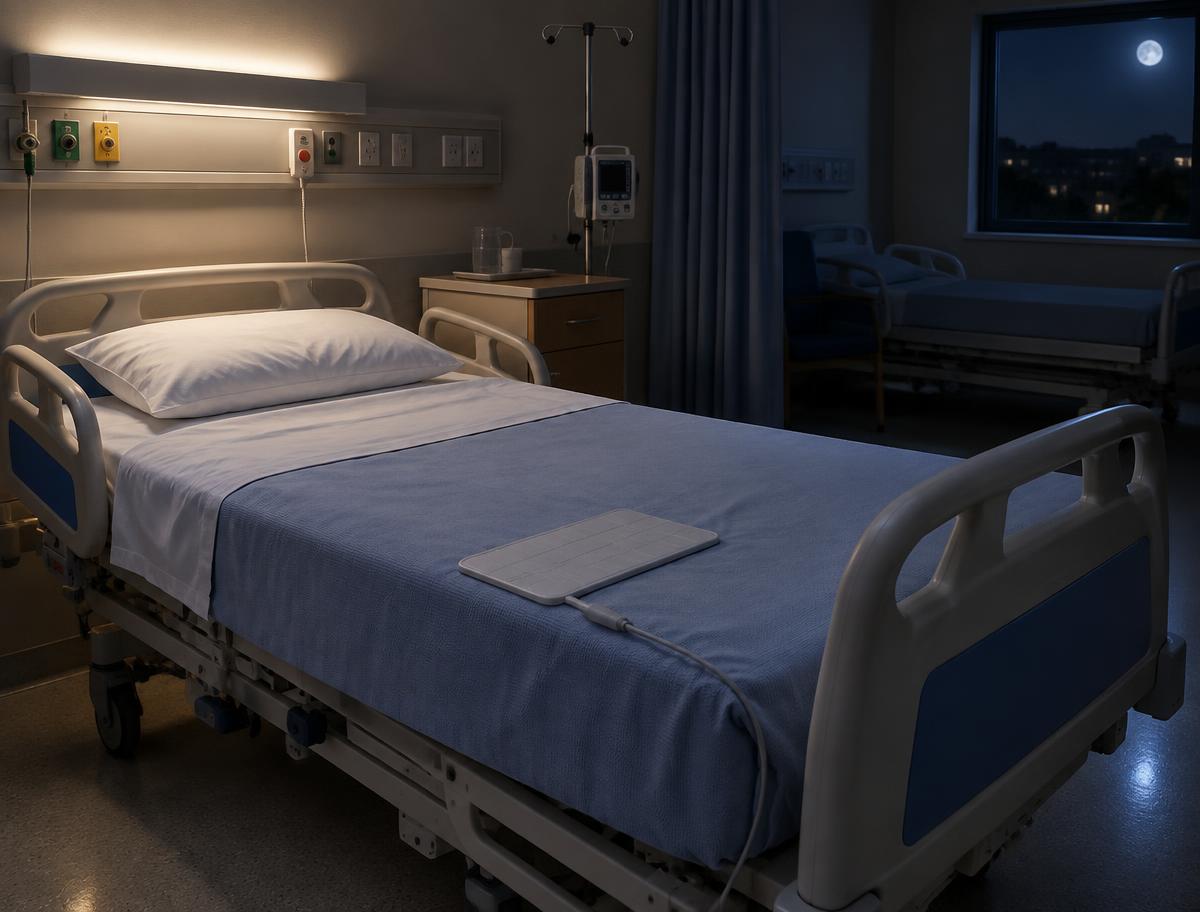
A bed pad alarm, designed to alert staff when a patient gets out of bed, had been removed from Imrie’s bed on 5 January 2024, the day before her fall, and moved to another patient’s bed because of a shortage of equipment on the ward.
Fiscal depute Lisa Duffus told the court that staff had made a collective clinical decision that Imrie was “more settled” than the other patient, and so her alarm could be “safely removed”. She said that decision would not have been made had the health board ensured there were enough bed pad alarms available for all patients on the ward.
A second safety system, involving infra-red beam sensors around Imrie’s room, also failed to work. The court heard staff were aware the sensor was not functioning, because Imrie had got out of bed earlier that day without the alarm sounding. She fell some time later.
NHS Tayside’s guilty plea
NHS Tayside, listed on court papers as Tayside Health Board, tendered a guilty plea to a criminal breach of the Health and Safety at Work Act 1974, admitting that it had failed to ensure, so far as reasonably practicable, that patients on Tummel Ward were not exposed to safety risks.
The health board admitted it had failed to provide an adequate system to ensure room movement sensor alarms were checked each day to confirm they were working properly, and that it had not provided sufficient bed pad alarms for all patients on the ward who needed them.
An NHS Tayside spokesperson said the health board was “deeply sorry for the pain and grief this has caused” and said it had taken steps to prevent similar incidents occurring again.
Prosecutions under the Health and Safety at Work Act against NHS bodies are relatively rare and typically follow lengthy investigations by the Health and Safety Executive, often triggered by a death or serious injury in a care setting where systemic failings, rather than the actions of an individual member of staff, are found to be responsible.
A ward with a troubled history
Murray Royal Hospital has faced scrutiny before over patient safety. In 2020, NHS Tayside was fined £120,000 after admitting criminal failings linked to the deaths of three women who took their own lives on a different ward at the same hospital, with inquiries at the time pointing to chronic staff shortages and inadequate safeguards.
The latest case adds to concerns about safety standards at the hospital, raising questions about whether lessons from earlier failings have been fully applied across all wards, including those caring for elderly and vulnerable dementia patients.
Campaign groups representing families affected by failings in mental health and dementia care have previously called for more consistent, independently monitored safety standards across Scottish hospital wards, arguing that repeated incidents at the same institution point to systemic rather than isolated problems.
What happens next
Sentencing in Imrie’s case will determine what penalty NHS Tayside faces for admitting the criminal breach, with the health board already having pledged to take further steps to prevent similar incidents happening again on wards caring for high-risk patients.
The case is likely to renew scrutiny of staffing levels and equipment provision in mental health and dementia wards across NHS Tayside, and more broadly, of how health boards across Scotland ensure that safety equipment such as alarms is adequately resourced for the patients who need it most.


