
NHS Fife is to significantly expand its Hospital Without Walls programme after board members approved a business case to increase the number of virtual beds available to 125, meaning more patients will be treated at home rather than in hospital wards.
The hospital at home service already operates in Fife, allowing patients to receive acute-level care in their own homes under the supervision of consultants and multidisciplinary teams, but the newly approved business case sets out plans for a substantial increase in capacity.
How hospital at home works
Patients referred to the service, typically by their GP or hospital medical staff, are assessed at home by nurse practitioners or members of the medical team, who check vital signs such as blood pressure, pulse and temperature and can arrange tests including blood work, ECGs or bladder scans.
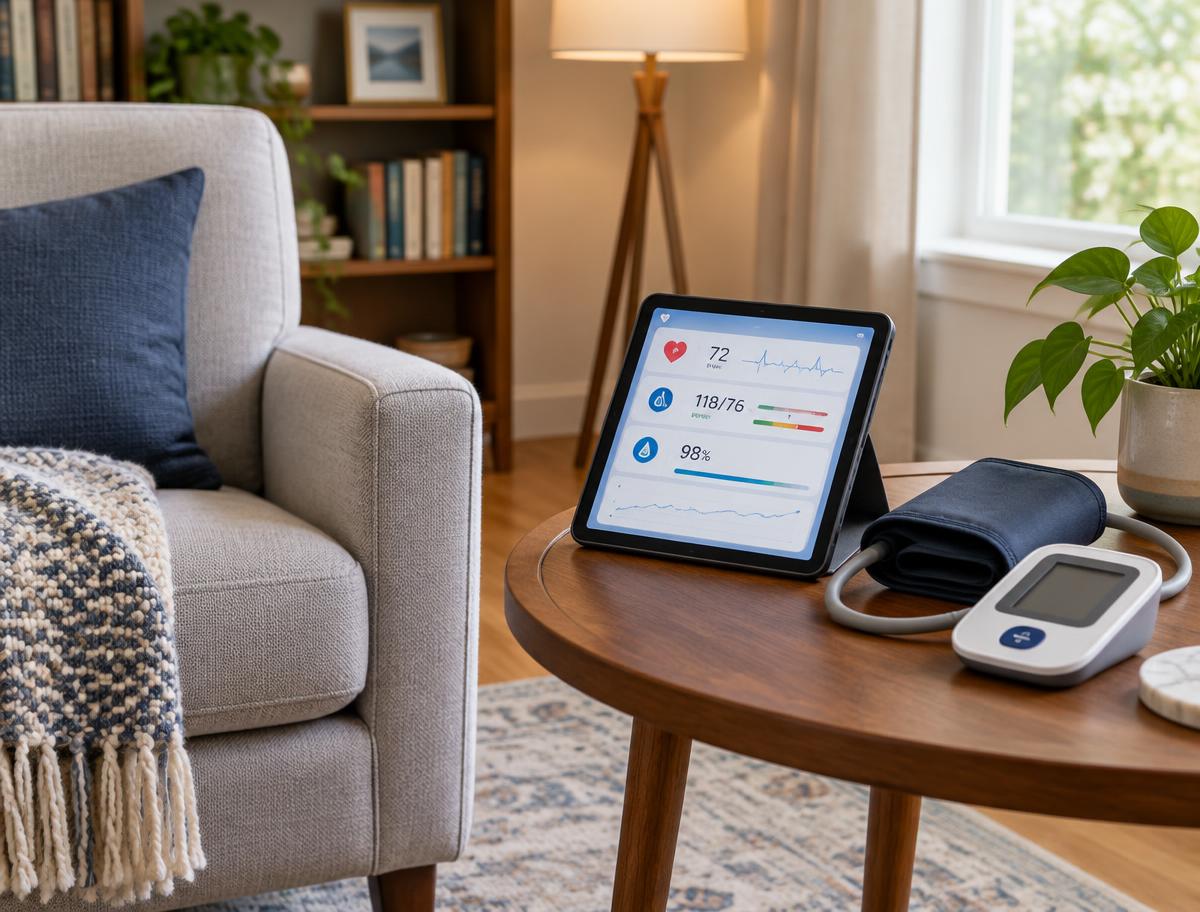
Support is co-ordinated by a multidisciplinary team including medical, nursing, therapy and pharmacy staff, with equipment such as pressure-relieving mattresses, commodes or walking aids provided where needed, and remote monitoring technology used to track patients’ health while they remain at home.
The model is primarily aimed at patients who would otherwise need an acute hospital admission but whose condition can be safely managed outside a traditional ward, often older or frailer patients for whom a hospital stay carries its own risks, such as a loss of mobility or independence.
The case for expansion
A report to NHS Fife board members said the business case identified benefits for patient experience, system flow, admission avoidance, acute capacity and financial sustainability, including an estimated recurring saving of around £2 million from reduced use of surge beds and associated staffing and operational costs.
The report said the model aims to provide safe, person-centred hospital-level care closer to home, supporting what is described as “realistic medicine” — directing patients to the most appropriate care pathway and avoiding unnecessary hospital admissions.
NHS Fife’s director of nursing, Gillian McAuley, said the expansion would involve a “whole system” approach, with the aim of improving both the experience of patients and the pressure on hospital capacity across the health board.
Part of a national push
The expansion fits within a wider Scottish Government ambition to grow hospital at home services, with a stated aim of adding 2,000 virtual beds across Scotland. Programme for Government announcements published in September set out plans for more healthcare to be delivered at home as part of a broader reform of the NHS.
Deputy First Minister Jenny Gilruth visited a Hospital at Home hub in Fife, saying the expansion of such services nationally was central to NHS reform, with an ambition for more than 10,000 people to benefit from hospital at home services this winter across Scotland.
Ministers have presented hospital at home as one way of easing pressure on acute hospital beds during the winter months, when demand on accident and emergency departments and medical wards typically rises sharply, alongside efforts to reduce delayed discharges from hospital more broadly.
What it means for patients
NHS Fife has previously reshaped its hospital at home service into a “hub and spoke” model, with a hub for Central and West Fife based in Kirkcaldy and an operational base retained at Queen Margaret Hospital in Dunfermline to maintain timely care in that area.
The health board has said its commitment to providing safe, effective care at home for frail and elderly patients remains unchanged, even as the service is restructured, with the expansion intended to increase access to that model of care across Fife rather than altering its underlying approach.
What happens next
With the business case approved, NHS Fife is expected to move towards implementing the increase in virtual bed capacity over the coming months, recruiting and training additional staff where necessary to support the expanded service.
The success of the expansion will likely be judged on whether it delivers the forecast financial savings while maintaining patient safety and satisfaction, with NHS boards across Scotland watching Fife’s experience closely as they consider similar expansions of hospital at home services in their own areas.


