The flash floods in northern Nepal have damaged jobs and incomes well beyond the communities directly hit, according to a preliminary assessment by the International Labour Organization (ILO).
The disaster
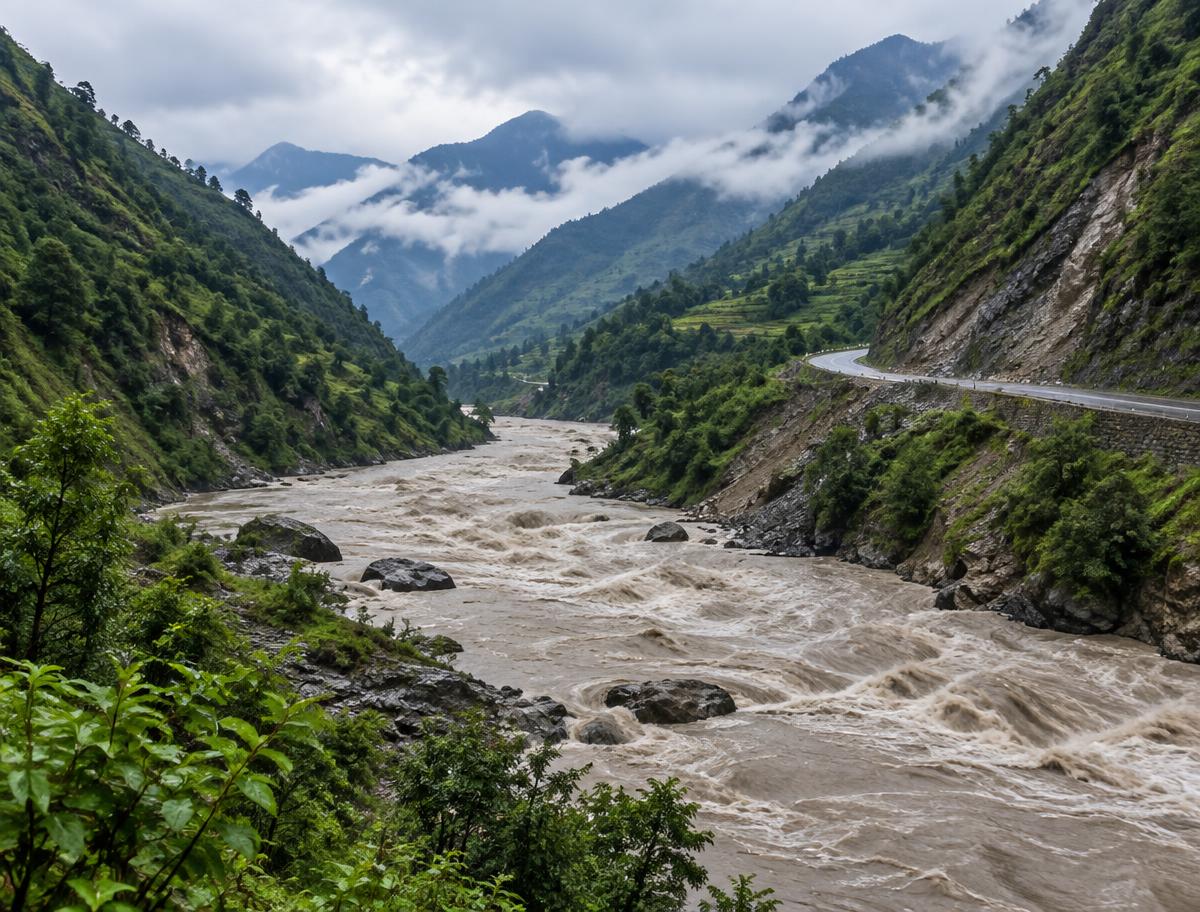
The flooding in late August was triggered by a glacier collapse on Nepal’s border with China. It destroyed homes, workplaces, roads, bridges and energy infrastructure. According to the authorities, more than 1,450 people were killed and 5,786 are still missing.
Who is affected
The ILO estimates that about 21,400 employed people live within four kilometres of the flood zone. Tourism, agriculture, transport and small businesses are under particular pressure. That includes guides, porters, transport operators, and hotel, restaurant and farm workers, who may lose earnings or be unable to reach customers and markets.
“The employment consequences of this disaster will not stop at the edge of the flooded area,” said Numan Özcan, the ILO’s Country Director for Nepal.
Informal workers most at risk
Much of Nepal’s workforce is informal, with limited income security or social protection. Daily-wage, casual and self-employed workers, and people running micro or home-based businesses, face the highest risk. The ILO warns that women may lose paid work while taking on more unpaid care, and that severe income losses could push some families towards child labour.
Trade routes cut
The Rasuwa and Tatopani overland routes handled about 22% of Nepal’s imports from China over the past year. Flood damage in Rasuwa, which carries nearly half of Nepal’s exports to China, could affect jobs in wholesale, retail, construction, manufacturing and food processing far from the disaster area.
Recommendations
The ILO recommends immediate income support for households and businesses, reconstruction designed to create jobs, and help with job matching and skills. The assessment is preliminary and may be revised as more data becomes available.