
The UK’s medicines regulator has joined international counterparts in calling for faster development and wider acceptance of methods that could replace the use of animals in testing medicines, in a joint statement issued through a global coalition of regulators.
The Medicines and Healthcare products Regulatory Agency (MHRA) helped draft the statement alongside the European Medicines Agency, Ireland’s Health Products Regulatory Authority and Swissmedic, Switzerland’s medicines regulator, working together under the umbrella of the International Coalition of Medicines Regulatory Authorities (ICMRA).
A long-term ambition, not an immediate ban
The statement sets out an ambition to replace animal testing wherever scientifically reliable alternative methods can be established, covering the full lifecycle of a medicine, from early-stage research and development through the licensing process and into post-approval testing once a drug is already on the market. Regulators were careful to frame this as a long-term direction of travel rather than an immediate ban on all animal studies, and they stressed that many proposed alternative methods are not yet mature enough to be relied upon in every context.
Animal testing has long been a required step in demonstrating the safety and effectiveness of new medicines before they can be approved for human use, but it has also attracted sustained criticism from animal welfare campaigners and, increasingly, from parts of the scientific community who argue that non-animal methods can in some cases provide more relevant data about how a drug will behave in humans.
Batch-release testing identified as a priority
Among the areas regulators highlighted as having the greatest near-term potential for reducing animal use is batch-release testing, the quality checks that are repeated every time a new batch of an already-approved medicine is manufactured, to confirm it meets required safety and purity standards. Because these tests are carried out routinely and repeatedly throughout a medicine's production life, accepting a validated non-animal alternative in this area could reduce far more animal use over time than a one-off change affecting a single research study.
Alternatives being developed and assessed in this space include laboratory-based cell culture tests, computer modelling techniques and other in-vitro methods designed to detect contamination or verify potency without requiring live animals.
The bar for new methods remains high
Regulators stressed that any new testing method, whatever form it takes, still has to demonstrate that it can reliably answer the same safety and quality questions that animal tests currently address. The ICMRA statement calls for a more consistent international approach to validating and assessing these methods, so that a technique accepted as reliable by one regulator can be more easily recognised by others, reducing duplication and speeding up adoption across different countries.
This kind of international alignment matters because medicines are typically developed and manufactured for global markets, and inconsistent requirements between regulators can slow down the introduction of new scientific methods even once they have been shown to work.
What it means for patients and research
The MHRA’s announcement does not change the requirements for any medicine currently going through the UK approval process, and individual products will continue to be assessed against the rules and evidence standards that currently apply. Campaigners who have long pushed for reduced reliance on animal testing are likely to welcome the statement as a signal of political and scientific intent, while continuing to press regulators for firmer timelines and funding to accelerate the validation of alternative methods.
The MHRA said it would continue working with its international partners through the ICMRA to develop shared standards, with further guidance expected as specific alternative methods reach the point where they can be formally validated for regulatory use.
The history of animal testing in medicine regulation
Animal testing became a standard requirement for new medicines following several public health disasters in the twentieth century, most notably the thalidomide tragedy of the late 1950s and early 1960s, when a drug prescribed to pregnant women caused severe birth defects after inadequate safety testing. The episode prompted regulators worldwide to introduce far stricter requirements for demonstrating a medicine's safety before approval, with animal studies becoming a cornerstone of that testing regime for toxicology, reproductive safety and other risk assessments that remain difficult to replicate through non-animal methods even today.
The 3Rs principle
Much of the scientific and regulatory thinking behind efforts to reduce animal testing draws on the long-established '3Rs' framework, which calls for the replacement of animal use wherever possible, the reduction of the number of animals used where replacement is not yet feasible, and the refinement of procedures to minimise suffering where animal studies remain necessary. The principle, first articulated in the late 1950s, has shaped regulatory and scientific policy internationally for decades and underpins the latest ICMRA statement's framing of replacement as a long-term goal rather than an immediate requirement.
What ICMRA is and why it matters
The International Coalition of Medicines Regulatory Authorities brings together national and regional medicines regulators from around the world to coordinate approaches to shared challenges, including drug safety monitoring, manufacturing standards and, increasingly, the validation of novel testing methods. Because medicines are typically developed, manufactured and sold across multiple countries, misalignment between different regulators' requirements can slow the global adoption of new scientific methods, making coordinated statements of intent, such as the one issued this week, an important first step even before specific new methods are formally approved for use.
Emerging alternative technologies
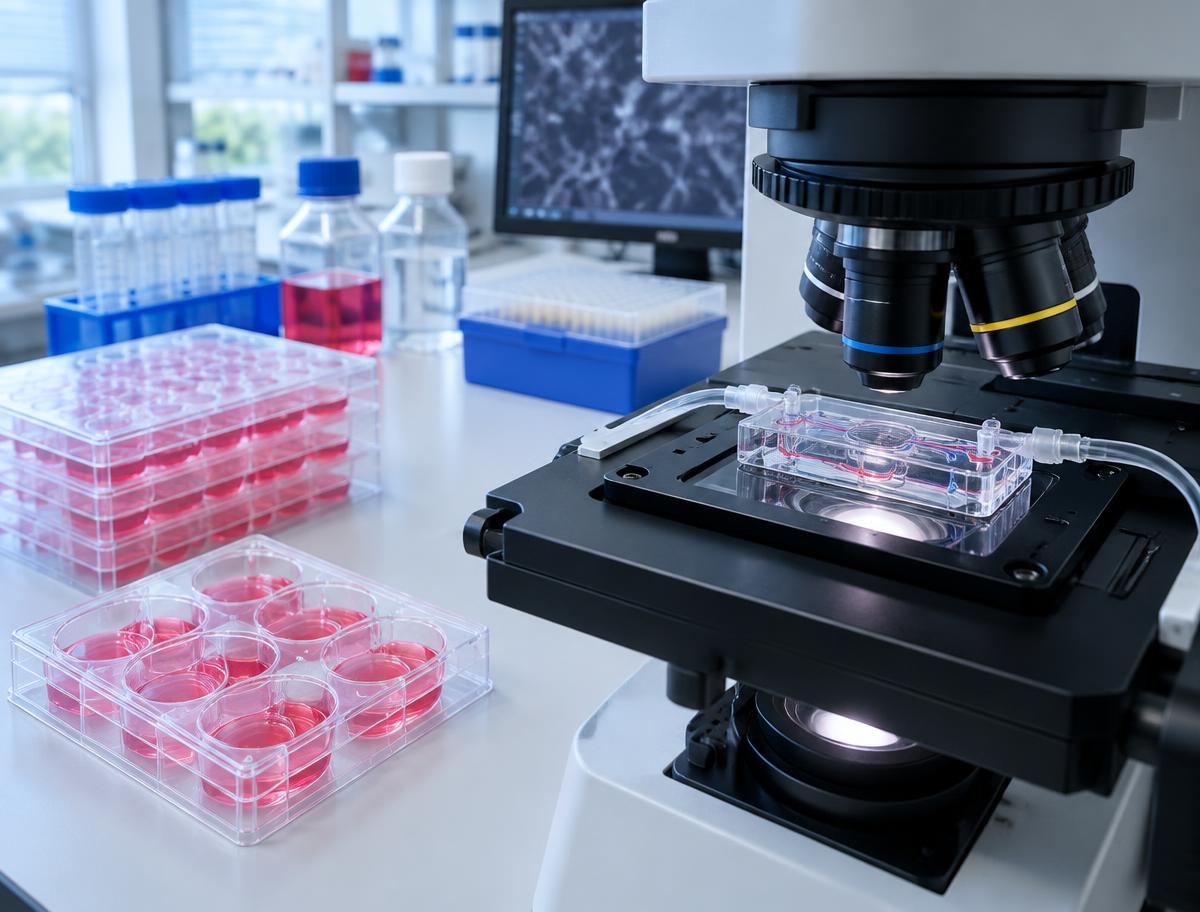
A range of technologies are being developed as potential substitutes for traditional animal testing, including organ-on-a-chip systems that replicate the function of human tissue using small-scale laboratory devices, computer-based modelling techniques that simulate how a drug might behave in the human body, and advanced cell culture methods capable of testing for toxicity, potency or contamination without the use of live animals. Each of these approaches remains at a different stage of scientific maturity and regulatory acceptance, with batch-release testing for already-approved medicines seen as one of the more immediately achievable areas for replacement given its routine, repeated nature.
Reaction from campaigners and industry
Animal welfare organisations have long campaigned for faster progress toward ending the use of animals in medicine testing, and are likely to welcome the joint statement as evidence of growing international regulatory consensus, even as they continue to push for firmer timelines and dedicated funding to accelerate validation of new methods. Pharmaceutical companies, which bear the practical and financial burden of demonstrating that any alternative method meets regulatory standards, have generally supported the direction of travel while cautioning that replacing animal testing entirely, particularly for complex toxicology questions, remains a distant prospect for many types of safety assessment.
What happens next
The MHRA said further guidance would follow as specific alternative methods reach the point of formal validation, a process likely to unfold gradually over years rather than months, given the rigorous evidence bar regulators have said any replacement method must meet before it can be relied upon in place of established animal studies.


