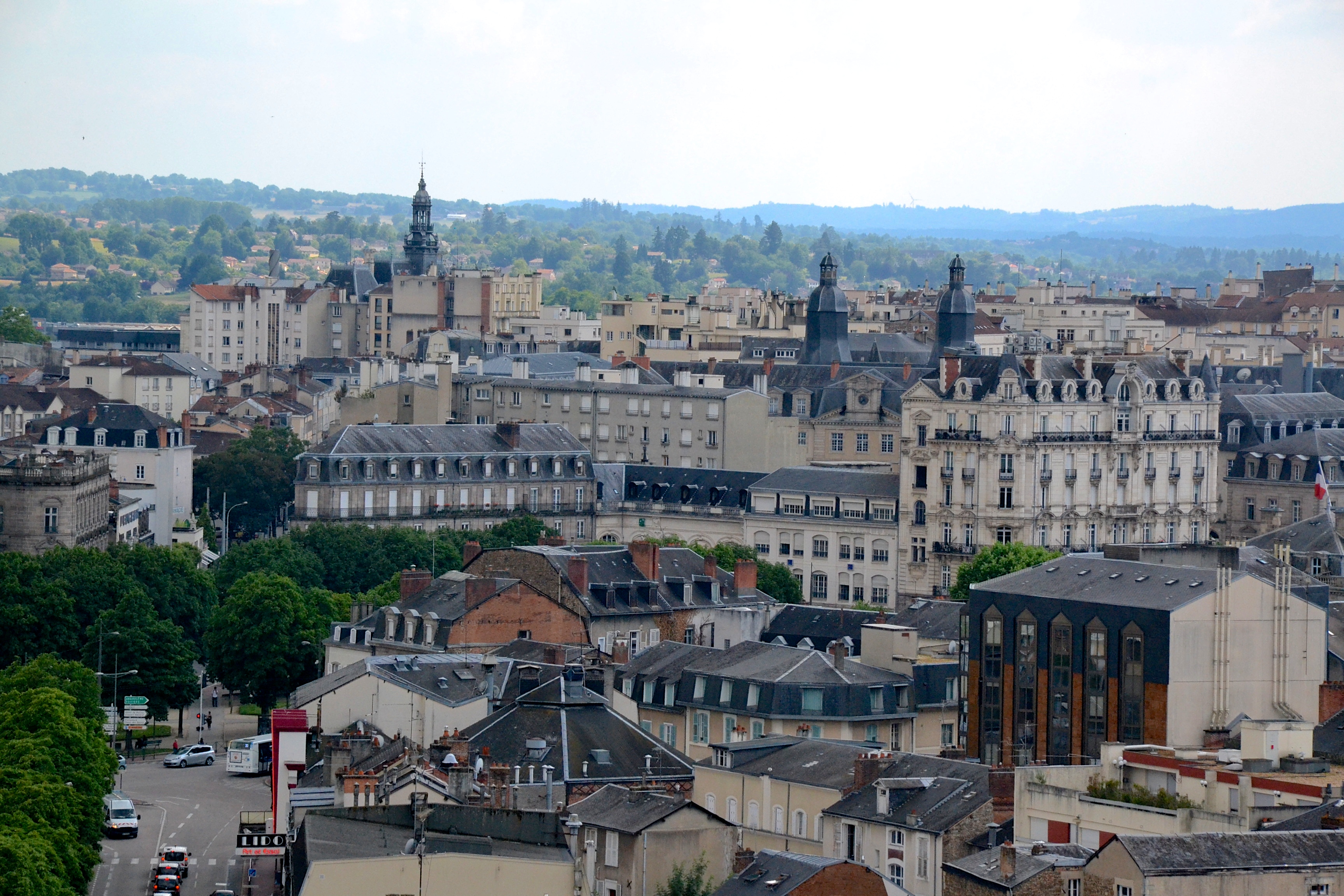
A fire has devastated much of the historic town hall in Limoges as violent incidents on the fringes of nationwide protests in France left public buildings damaged and brought the reported number of arrests on Saturday to 1,200.
Prime Minister Sébastien Lecornu gave the arrest total late on Saturday and said 150 police officers had been hurt. The figures followed earlier statements reporting hundreds of arrests, as confrontations continued after marches over school conditions, living costs and public services.
The regional prefect, Maurice Barate, told AFP that Limoges town hall had been largely lost to a fire set by masked protesters. He said the roof had collapsed onto lower floors except in the west wing, describing the damage to the 143-year-old building as a catastrophe for heritage.
The damage in Limoges was one of several serious incidents reported across the country. Hundreds of thousands of people also took part in peaceful marches, and the actions of violent groups should not be attributed to everyone who joined the demonstrations.
Public buildings attacked
In Marseille, protesters used barriers removed from the street to force the town-hall door and briefly entered the municipal building before police removed them. The account does not establish that the Marseille building suffered damage comparable to the fire in Limoges.
In Paris, confrontations developed around Place de la République after a peaceful march. Police fired teargas as masked groups threw fireworks and paving stones, attacked a bank and looted a sports shop, according to the Guardian’s reporting from the capital.
Bins were set alight, glass bottles were used as missiles and a lorry fire spread to a nearby building. Along Boulevard Magenta, shops were broken into and looted. Residents nearby closed windows and doors as teargas spread above street level.
Paris mayor Emmanuel Grégoire said entire streets had been devastated. Groups also tried to enter the Galeries Lafayette department store and targeted banks and shops, while a substantial police presence remained near prominent central landmarks.
Ministers reject emergency declaration
Interior Minister Laurent Nuñez condemned the violence and said the official demonstration had been hijacked by people seeking opportunities to loot. He said the state was not planning to declare a state of emergency and promised a firm response to offenders.
Lecornu’s figure of 150 police hurt concerned Saturday’s events. It should not be confused with the larger figures officials have given for injuries across the wider period of school-related unrest, or treated as a complete count of injuries among protesters and bystanders.
The interior ministry reported 550,000 participants in the marches, while the CGT trade union put attendance at 800,000. The competing estimates describe the same mobilisation; they are not totals to be added together.
The CGT backed demands for higher wages and pensions, lower prices and public services meeting people’s needs. Teachers, students, workers, pensioners and farmers had been encouraged to join, broadening a movement that began around school grievances.
School protests become wider movement
Demonstrations began last month in schools in poorer northern suburbs of Paris, where pupils protested against teacher absences and poor facilities. Anger subsequently spread into arguments about inequality, public spending and living standards.
Calls on social media sought to revive the yellow-vest movement that emerged in 2018. The use of high-visibility clothing and road blockades echoed that earlier mobilisation, but the current protests grew from a different immediate dispute over education.
President Emmanuel Macron appealed for calm on Friday, defending the constitutional right to protest while saying that it came with obligations to respect people and property. He condemned the prospect of participants attending solely to damage buildings and cause unrest.
Political responses remained divided. France Unbowed leader Jean-Luc Mélenchon supported student protesters but urged demonstrators to avoid looting. Marine Le Pen condemned rioters and accused his party of legitimising violence, an allegation reflecting the political dispute rather than an established finding.
The immediate aftermath centres on the damage to Limoges town hall, the investigation of attacks and the treatment of those hurt. The broader demands over schools and household costs remain unresolved, alongside scrutiny of police tactics during weeks of unrest.