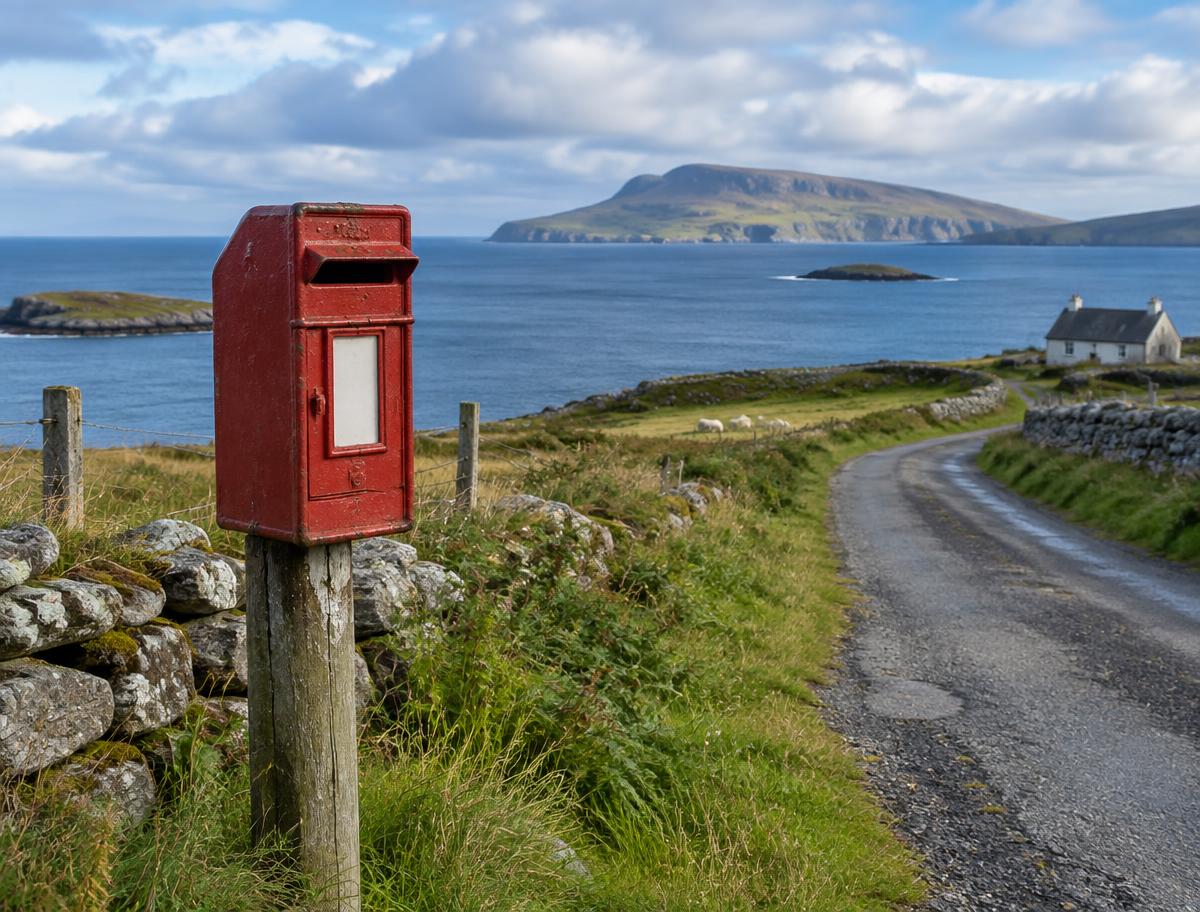
The Scottish Government has written to UK ministers raising concerns about the quality and cost of postal services in Scotland’s island communities, citing research that found widespread inconsistency in service and high delivery surcharges.
The letter, sent by Minister for Public Finance Hannah Mary Goodlad to UK Business and Trade Secretary Jonathan Reynolds and dated 25 August, was also copied to Scottish Secretary Douglas Alexander.
Why Holyrood is raising it with Westminster
Postal services are a reserved matter, meaning responsibility for regulating the post, including Royal Mail’s universal service obligation and the wider parcel delivery market, sits with the UK Government rather than Holyrood. That has not stopped Scottish ministers from repeatedly pressing UK counterparts on the issue, arguing that island and remote communities are being left at a disadvantage by a system designed around the realities of mainland Britain.
What the Consumer Scotland research found
Ms Goodlad’s letter points to a report by Consumer Scotland, the statutory consumer body for Scotland, which found that residents of island communities face inconsistent postal service, high delivery surcharges imposed by some couriers, and a lack of transparency about the consumer protections available to them when something goes wrong with a delivery.
The letter cites earlier Consumer Scotland research showing that 72% of consumers in the Highlands and Islands had been charged extra fees when ordering parcels online, a figure that has fuelled long-standing complaints from islanders that they effectively pay more for the same goods simply because of where they live.
The impact on islanders
Ms Goodlad wrote that these problems affect access to goods, add to cost-of-living pressures for people already facing higher living costs than those on the mainland, and create additional barriers for small businesses based on islands trying to sell goods online. Surcharges and unreliable delivery timescales have been a persistent grievance for island residents and businesses, with campaigners arguing that some online retailers and couriers treat postcodes in the Highlands and Islands as a single high-cost zone regardless of the specific location.
History of the issue
Concerns about islands facing a “postcode penalty” on deliveries have been raised by consumer groups and island MSPs for years, predating this latest letter. Royal Mail’s universal service obligation requires it to deliver a letter anywhere in the UK for the same price, but no equivalent obligation applies to the wider parcel delivery market, where private couriers can and do set their own surcharges for areas they consider costly to serve.
The wider island cost-of-living picture
Islanders already face additional transport costs for many goods, from groceries to building materials, because of reliance on ferries and other transport links that can add time and expense compared with mainland delivery routes. The parcel surcharge issue has often been framed by campaigners as one part of a broader pattern of island communities paying more for everyday essentials, alongside higher fuel costs and, in some cases, higher costs for food and other goods sold in local shops that themselves face higher transport and distribution costs.
Island authorities and community groups have periodically called for government intervention to address what they describe as a structural disadvantage built into how delivery pricing works across the UK, though responsibility for regulating the courier market has remained with the UK Government throughout these discussions.
Response and next steps
Ms Goodlad said Scottish and UK ministers have generally worked constructively together on postal matters in the past and asked that this cooperation continue in addressing the concerns raised by Consumer Scotland. There has been no detailed public response yet from the UK Department for Business and Trade setting out what action, if any, it intends to take.
The Scottish Government said it would continue to monitor the issue and engage with UK ministers, while Consumer Scotland is expected to continue tracking complaints and surcharge practices affecting island and remote communities in future research.
Island MSPs and local authorities have previously lobbied for a cap on delivery surcharges or a requirement for greater price transparency at checkout, arguing that consumers are often only told about additional island charges after they have already selected a product online.
Consumer advocates have also pointed to the experience of comparable remote and island communities elsewhere in Europe, where some governments have introduced specific protections or subsidies for last-mile delivery costs, as a possible model the UK could consider if voluntary engagement with industry fails to resolve the surcharge issue.