Iran is preparing a broader and more forceful military response in case the United States resumes large-scale attacks, even as Tehran continues a diplomatic push that its own officials privately doubt will succeed, according to Reuters reporting based on senior Iranian sources.
Three senior Iranian officials and an insider familiar with internal discussions said commanders are reviewing plans to widen the scope of potential targets beyond US-linked assets in the Middle East, to include countries that support US military operations and possibly locations outside the region entirely.
A conviction that deterrence must be rebuilt
The planning reflects a belief within Iran’s leadership that any renewed American campaign must be met with a stronger response than previous rounds of fighting, even as Tehran simultaneously seeks to prevent further escalation through negotiation. Since President Masoud Pezeshkian returned from the UN General Assembly in New York last week, senior commanders and officials have focused their discussions on the scale and timing of a potential retaliatory response.
No final decision on the scope of any retaliation has been made, but officials say planning has intensified as neither Washington nor Tehran has shown willingness to compromise in the diplomatic track running in parallel.
Seven months of conflict
The deliberations follow roughly seven months of conflict that began with US-Israeli strikes on Iranian nuclear and military sites on 28 February. A 40-day war was brought to a pause by an 8 April ceasefire, but hostilities have continued sporadically since, with periodic strikes, naval incidents in the Strait of Hormuz and ongoing disputes over sanctions and Iran’s nuclear programme.
Hamidreza Azizi, a senior Iran analyst at the International Crisis Group, said Tehran remained uncertain whether Trump would launch another major campaign or opt instead for narrower strikes, such as hitting nuclear facilities, but said Iranian commanders appeared “determined not to respond symbolically to a symbolic move and instead to escalate in the hope of re-establishing deterrence”.
Weighing Washington’s political constraints
Iranian officials are also said to be weighing the domestic political risks a prolonged conflict poses for Trump, with polling showing the war has been unpopular with the American public even as the president has argued the cost is justified to prevent Iran acquiring nuclear weapons.
Diplomacy running on a short clock
Alongside the military planning, Tehran has continued pursuing a seven-day diplomatic proposal aimed at de-escalation, though an Iranian official told Reuters the government considers a deal with Washington unlikely in the near term.
What happens next
The dual-track approach, combining military preparation with a faltering diplomatic effort, suggests both sides remain braced for the possibility of renewed fighting even as talks continue. Analysts say the coming weeks, as the US response to Iran’s latest proposal is digested in Tehran, are likely to prove decisive in determining whether the conflict escalates again or settles into a fragile, if tense, standoff.
Iran's military calculus
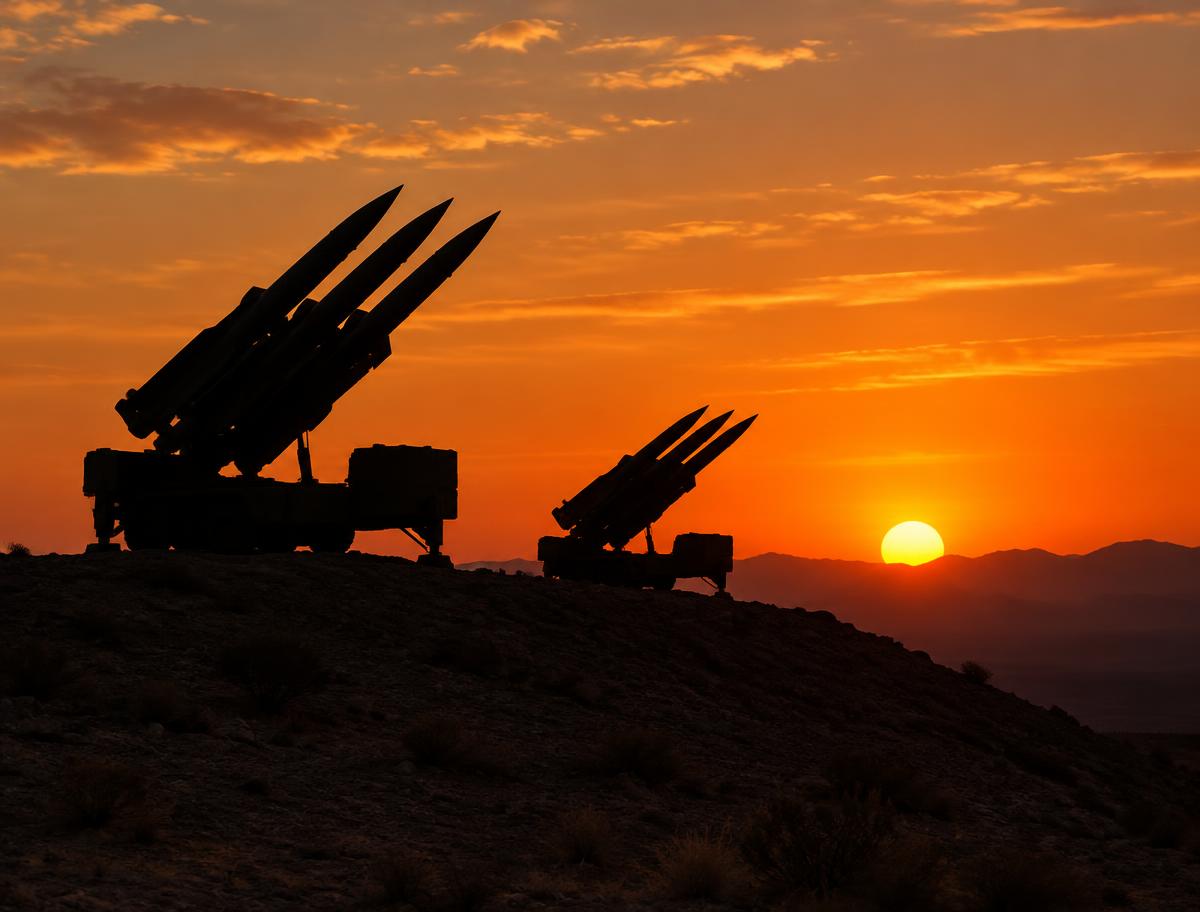
Military analysts say Iran’s approach reflects a long-standing doctrine of asymmetric deterrence, in which Tehran has historically sought to offset its conventional military disadvantage against the United States and Israel by threatening wide-ranging retaliation through missile and drone capabilities, proxy forces across the region, and disruption of global shipping lanes such as the Strait of Hormuz. The reported plans to widen the scope of potential targets suggest Iranian commanders believe previous rounds of retaliation, confined largely to US-linked assets within the Middle East, failed to adequately deter further American action.
The regional proxy network
Central to any expanded Iranian response would be the network of allied armed groups Tehran has cultivated across the region for decades, including factions in Iraq, Lebanon’s Hezbollah, Yemen’s Houthi movement, and various militias in Syria. While some of these groups have been significantly weakened over the course of the broader conflict, particularly Hezbollah amid its continuing fight with Israel, they remain a key tool through which Iran can project force without direct state-to-state confrontation.
Diplomatic track running in parallel
The reported military planning coincides with ongoing indirect diplomacy between Washington and Tehran, mediated in part by Qatar, focused on a proposal to reopen the Strait of Hormuz in exchange for an end to the US naval blockade of Iranian ports and a loosening of sanctions. Iranian officials have described the chances of a near-term deal as slim, even as both sides continue to exchange proposals, reflecting the deep mutual distrust that has built up since the war began.
Economic toll on Iran
Seven months of conflict, compounded by renewed sanctions on Iran’s oil exports, automotive sector and financial system, have placed significant strain on Iran’s economy, with inflation and currency depreciation adding to public discontent that the government has sought to manage through a mixture of subsidies and nationalist messaging around resistance to American pressure. Officials close to the leadership argue that economic hardship makes it more important, not less, for Iran to demonstrate it retains the capability to respond forcefully if attacked again.
International concern
Diplomats and analysts outside the region have expressed concern that an expanded Iranian retaliation, particularly one targeting countries that support US operations or locations beyond the Middle East, could draw in a wider set of actors and significantly raise the risk of a broader international crisis. The International Crisis Group and other monitoring organisations have urged renewed diplomatic engagement to prevent further escalation, warning that both sides appear to be preparing for conflict even as they publicly voice support for a negotiated resolution.
What happens next
With Iranian commanders reportedly reviewing a widened target list and the diplomatic track showing little sign of a breakthrough, the coming weeks are likely to be closely watched for any sign of renewed US military action, which officials on both sides suggest would trigger the kind of expanded Iranian response currently under discussion.