Four people have died and hundreds of thousands of households have lost power after Hurricane Isaias struck the southern United States, the BBC's Madeline Halpert reported from New York. The storm came ashore in Florida late on Friday with maximum sustained winds of 105mph before weakening to a post-tropical cyclone, following an earlier landfall in the state's western panhandle reported by the BBC as a category 2 hurricane with 110mph winds.
Deaths across two states
Officials reported two deaths each in Alabama and Florida. In Florida's Escambia County, Sheriff Chip Simmons said a woman was killed when a tree fell on her house. Separately, Joey Williams told the US network NewsNation that his wife had died after the couple went outside to photograph storm damage; when they returned indoors a tree fell through the roof and trapped them. "I was able to squeeze out. My wife didn't make it," he said. Simmons also reported that a man died of carbon monoxide poisoning after running a generator in an improperly ventilated garage; four other people in the same household were taken to hospital.
In Alabama, Governor Kay Ivey said on social media that "two Alabamians have lost their lives", without giving further details of the circumstances. A sheriff in the state was also injured when a tree fell on him while he was responding to a car crash. Ivey said officials remained concerned about the risk of "spinoff tornadoes" from the storm's strong winds and heavy rain, and urged residents to check reliable sources for updated conditions.
Widespread damage and flooding
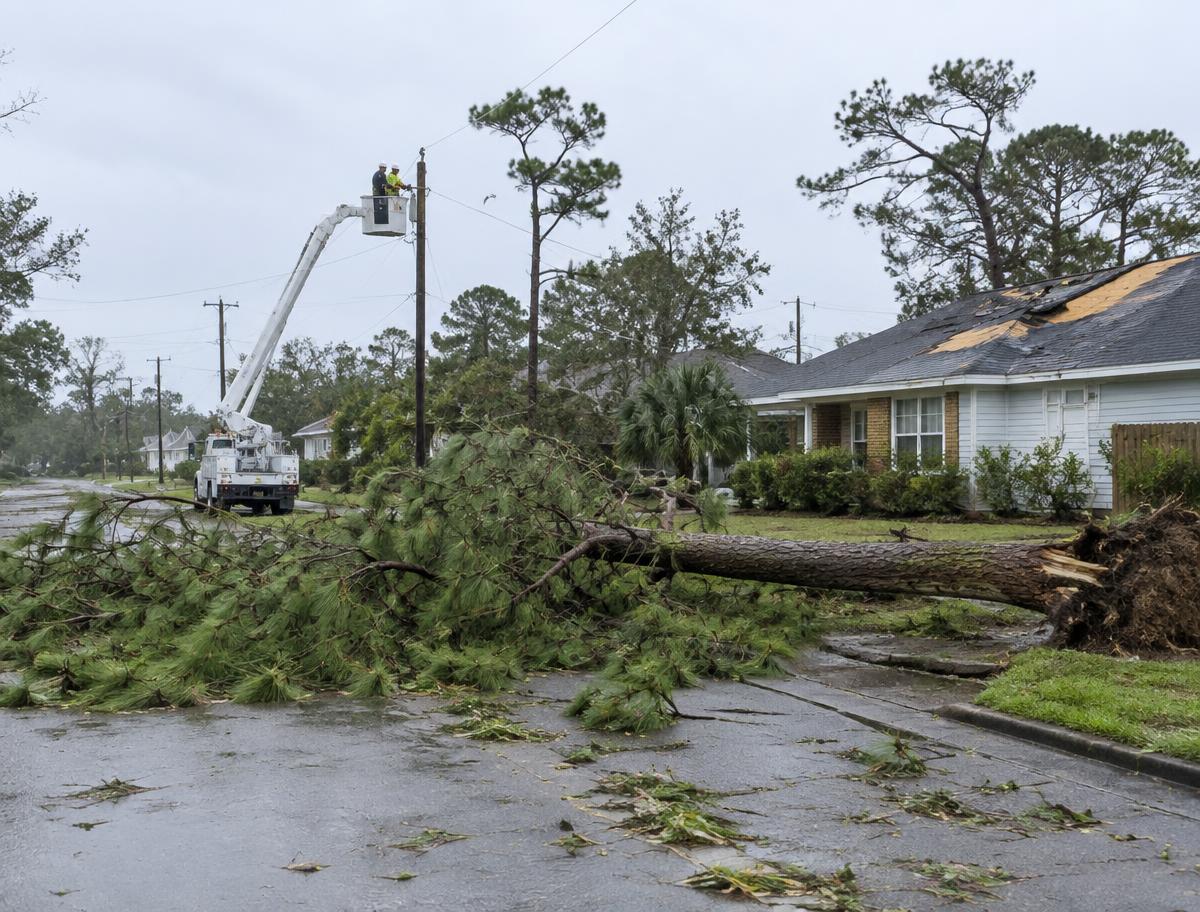
An estimated 500,000 people across several states were without power as of Saturday evening, according to the tracking service PowerOutage, as cited by the BBC. The storm felled trees and tore roofs from buildings, including an apartment complex in Milton, Florida, and the canopy of a petrol station in Gulf Breeze, Florida, which collapsed in the wind.
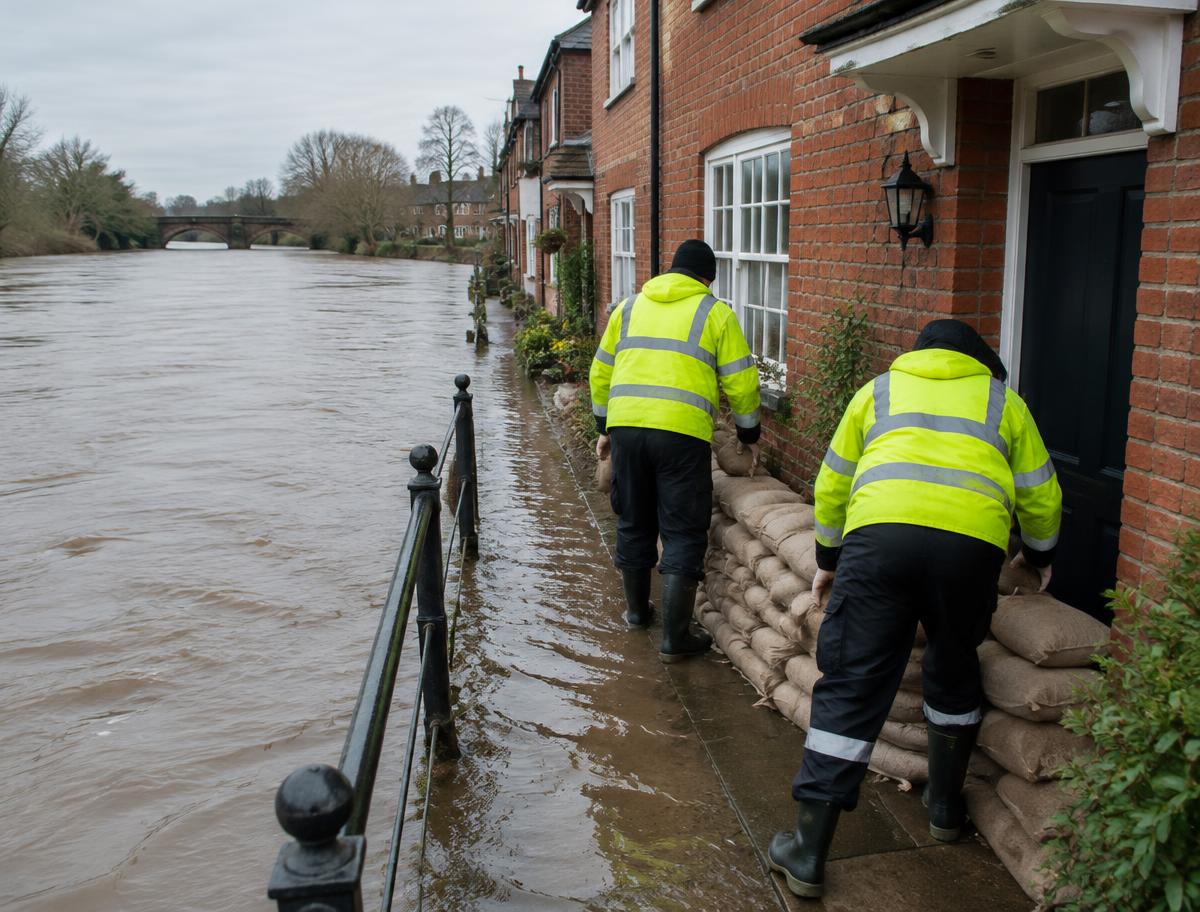
Flooding proved a major hazard during and after landfall. The Florida National Guard said soldiers had to rescue people from vehicles submerged in floodwater, with one crew described as having "stopped, swam to the vehicle and pulled its occupants to safety" after a truck became stuck in a flood ditch. Florida Governor Ron DeSantis warned that flooding remained a continuing risk and described a "very hazardous situation" in affected areas.
Further north, officials in Charleston, South Carolina, urged residents to stay home on Saturday night as high tide was expected to reach 7.5ft, warning that "after dark, floodwater is much harder to see and it's impossible to judge how deep it is from behind the wheel". The US National Oceanic and Atmospheric Administration warned that the Carolinas and Georgia could see further flooding from as much as 10 inches of rainfall as the storm continued tracking north-east and gradually weakening.
Evacuations and preparation
Ahead of landfall, Florida, Alabama and Georgia had each declared states of emergency, and Florida and Alabama issued mandatory evacuation orders for thousands of residents in coastal and other high-risk areas. Florida Senator Rick Scott had urged residents in designated zones to leave immediately, warning on social media: "DO NOT WAIT! Get out NOW!" Alabama Governor Kay Ivey had separately ordered a mandatory evacuation for non-residents, tourists and visitors in counties expected to be heavily affected.
Part of a wider weather pattern
Isaias was the first hurricane of this year's Atlantic season, which the BBC notes was delayed, largely attributed to El Niño conditions in the Pacific — marking the first time in more than 30 years that a hurricane did not form until October. The BBC reported that, at the same time as Isaias struck the US Gulf Coast, Hurricane Simon had strengthened to category four and was bearing down on Mexico's Pacific coast, expected to make landfall overnight, while Tropical Storm Rachel was forecast to hit Southern California later on Saturday — meaning three separate storm systems were affecting North America over the same weekend.
Residents in affected Florida and Alabama communities had begun clearing fallen trees and assessing storm damage by Saturday, even as authorities continued to warn that floodwaters and the risk of further severe weather had not yet fully passed.