
MSPs at Holyrood debated Scotland’s priorities for the forthcoming UK Budget on 1 October, in a session that also saw separate calls for a dedicated regional air strategy for the Highlands and Islands.
The two items were distinct pieces of parliamentary business rather than a single government announcement, according to the Scottish Parliament’s Business Bulletin, and neither determines what the UK chancellor will actually announce when the Budget is delivered on 28 October.
The Budget debate
The government debate on UK Budget priorities was brought forward by a motion from Jenny Gilruth, calling for real-terms increases in funding for Scotland through the budget process. The debate gave MSPs from across the chamber an opportunity to set out their priorities ahead of the UK government’s statement, covering areas such as public sector pay, capital investment and the Scottish government’s block grant.
Such debates are a regular feature of the parliamentary calendar in the run-up to major UK fiscal events, allowing the Scottish government and opposition parties to put pressure on the Treasury publicly before decisions are finalised. They do not bind the UK government, which retains sole responsibility for setting taxation and spending policy at a UK level, subject to the devolution settlement that gives Holyrood control over some devolved taxes and spending areas.
The case for a regional air strategy
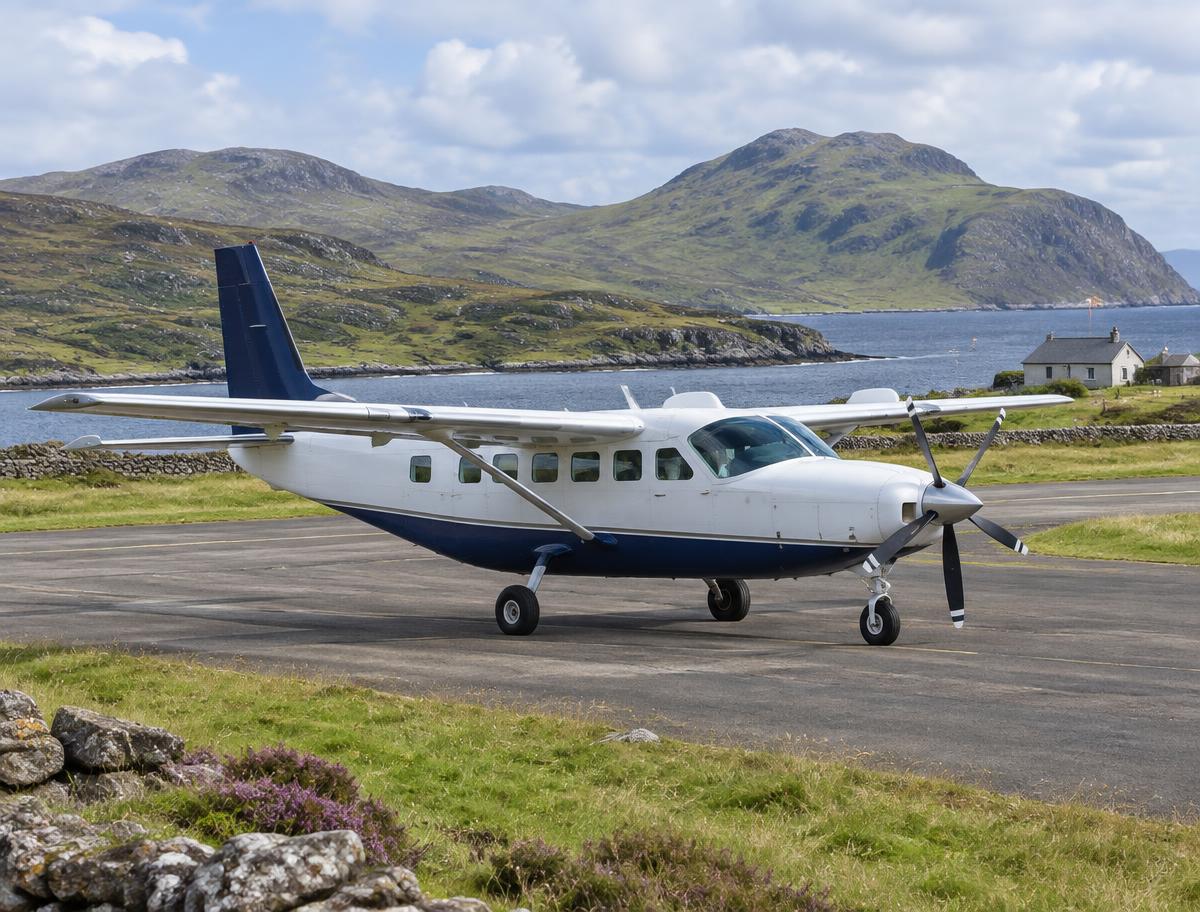
Later the same day, the Business Bulletin listed a Members’ Business debate on calls for a regional air strategy for the Highlands and Islands. Air links play a particularly important role in connecting island and remote mainland communities with hospitals, further education, family and employment opportunities that may otherwise be hours away by road and ferry.
Campaigners and some MSPs have argued that routes serving the Highlands and Islands need a more joined-up strategic approach, covering issues such as fares, frequency of services, links to other transport modes and the long-term future of smaller airports and airstrips across the region.
It is worth stressing that the listing of a debate does not amount to an adopted government strategy, and no new route, aircraft order or fare change was announced as a result of the discussion. Any change to how air services in the Highlands and Islands are organised would need further policy development, consultation and funding decisions before passengers would notice any practical difference.
Reading the parliamentary calendar
Tracking what Holyrood debates is a useful way of seeing which issues are rising up the political agenda, since government time and members’ business slots are finite and competitively sought after. It should not, however, be mistaken for a record of decisions actually taken or funding already committed.
What comes next
Holyrood’s October recess is scheduled to run from 10 to 25 October, meaning MSPs will be away from the chamber for much of the run-up to the UK Budget itself. The Budget follows on 28 October, when the financial measures actually announced by the chancellor can be set against the priorities MSPs raised in the earlier debate.
Any movement on a Highlands and Islands air strategy is likely to depend on further work by the Scottish government, regional partners and transport bodies, rather than on the single Members’ Business debate recorded in the Business Bulletin. Both issues illustrate the gap that often exists at Holyrood between a topic being raised in debate and it translating into a funded, deliverable policy.
The role of the block grant
Scotland’s public spending is largely determined through the Barnett formula, which adjusts the block grant Holyrood receives from the Treasury in line with changes to comparable spending in England. Because of this mechanism, decisions taken by the chancellor at Westminster have a direct, mechanical effect on the resources available to the Scottish government, even though Holyrood sets its own spending priorities within that total. This is why Scottish ministers and opposition politicians alike pay such close attention to UK fiscal events, since a generous settlement for departments south of the border can translate into extra consequential funding for Scotland, while cuts elsewhere can squeeze the Scottish budget even if no direct decision is taken about Scotland itself.
Ms Gilruth’s motion reflected long-standing arguments from the Scottish government that recent UK fiscal policy has left little room for real-terms growth in devolved spending once inflation and wage pressures are taken into account. Opposition parties used the debate to press their own priorities, including calls for additional investment in the NHS, local government funding and support for businesses facing rising costs.
Highlands and Islands connectivity in context
The debate over a regional air strategy sits within a much longer history of concern about transport connectivity in the north and west of Scotland. Air services such as those operated under the Highlands and Islands Airports Limited network and subsidised routes under public service obligation contracts have long been treated as a lifeline rather than a discretionary convenience, given the scarcity of alternative options for reaching some island and remote communities quickly.
Previous reviews of island and Highland connectivity, including work carried out in connection with ferries and the Islands Connectivity Plan, have highlighted how transport policy across different modes can become fragmented between agencies, operators and funding streams. Campaigners for a dedicated regional air strategy argue that a similar siloed approach affects aviation, with decisions on fares, timetables and aircraft replacement often made in isolation rather than as part of a coherent long-term plan tailored to the needs of remote communities.
Voices from the debate
MSPs representing Highland and island constituencies have previously raised concerns in the chamber about the affordability of flights for local residents compared with the cost of flying into the region from elsewhere in the UK, as well as about the reliability of ageing aircraft on some routes. These concerns featured again in the Members’ Business debate, alongside calls for greater transparency over how subsidies for lifeline air services are allocated and reviewed.
Balancing devolved and reserved powers
Both strands of the day’s business illustrate the layered nature of policymaking in Scotland, where some matters, such as overall taxation and macroeconomic policy, remain reserved to Westminster, while others, including most aspects of transport policy and parts of the welfare system, are devolved to Holyrood. Effective progress on either the Budget priorities raised by MSPs or the case for a regional air strategy will ultimately depend on cooperation, or at least alignment, between the two layers of government, since funding decisions taken in London can constrain what the Scottish government feels able to commit to domestically.


