
Highland Council’s Trading Standards team has warned retailers and consumers across the region to prepare for a series of changes to tobacco and vaping laws that will take effect over the coming months, as part of a wider UK and Scottish crackdown on youth access to nicotine products.
The changes stem from the UK-wide Tobacco and Vapes Act and the introduction of a new Vaping Products Duty, with officials saying the measures are designed to reduce youth access to nicotine, strengthen public health protections and support the creation of what ministers call a “smoke-free generation”.
The first change: a new vaping duty
From 1 October, a new UK-wide Vaping Products Duty applies to vaping liquids manufactured in or imported into the UK, charged at a flat rate of £2.20 per 10ml of liquid regardless of nicotine strength. The duty does not apply to stock already on shelves, meaning the impact is expected to become more noticeable as new stock bearing duty stamps replaces older supplies.
Retailers have been told to familiarise themselves with transitional arrangements covering existing stock and the introduction of vaping duty stamps, which will be required to show that duty has been paid on products entering the supply chain after 1 October.
Further restrictions from 29 October
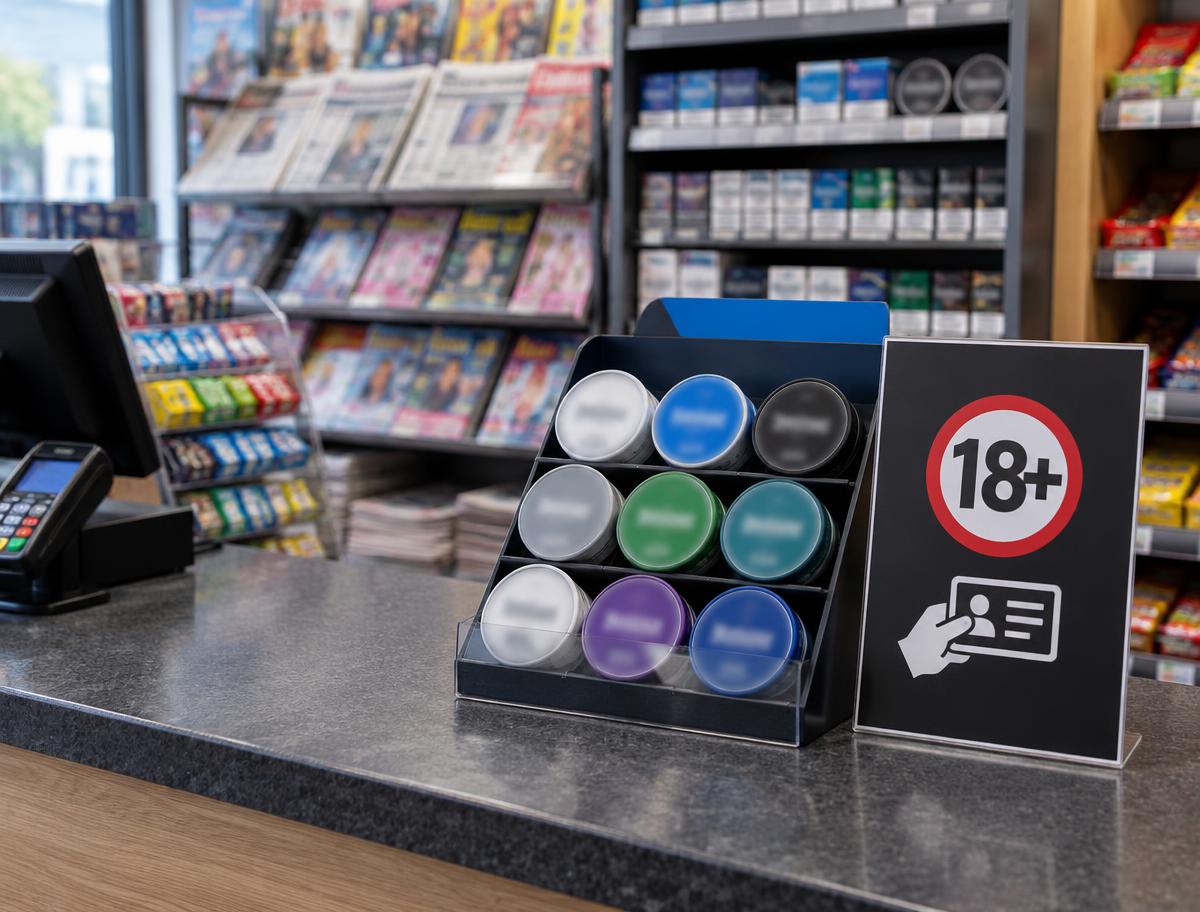
A second set of changes takes effect on 29 October. It will become illegal to sell nicotine pouches, or any nicotine product, to anyone under the age of 18, closing a gap that previously meant some nicotine products were not covered by the same age restrictions as tobacco and vapes.
The free distribution of vapes and other nicotine products will also be banned, as will the use of vending machines to sell nicotine products. Scotland’s Register of Tobacco and Vaping Product Retailers will be extended to include businesses selling nicotine products and herbal smoking products, with age verification requirements extended to cover these additional categories.
A phased ban on tobacco sales
From 1 January 2027, it will become illegal to sell tobacco products to anyone born on or after 1 January 2009. The measure is designed to gradually raise the legal age of sale over time, eventually phasing out tobacco sales to successive generations, an approach described as creating a “smoke-free generation”.
The phased approach was first proposed by the UK Government and mirrors similar legislation introduced elsewhere, intended to prevent anyone born from 2009 onwards from ever being able to legally buy tobacco products, regardless of their age in future years.
Why Highland Council is issuing the warning
Trading Standards officers in the Highlands said retailers needed to prepare now for the changes rather than waiting until each deadline arrives, given the complexity of the new rules around duty stamps, age verification and retailer registration.
The warning is aimed both at shopkeepers, who face potential enforcement action for non-compliance, and at consumers, who may notice price rises on vaping products and tighter restrictions on where and how nicotine products can be bought in the months ahead.
National context
The Chartered Trading Standards Institute and Action on Smoking and Health Scotland have jointly urged retailers across the country to prepare for the same changes, publishing guidance alongside the UK Government ahead of the October and January implementation dates.
The Tobacco and Vapes Act amends existing Scottish law to bring nicotine products such as pouches within the scope of age-of-sale and retailer registration rules for the first time, reflecting concern among public health bodies about the rising use of nicotine pouches, particularly among young people, in recent years.
Public health campaigners have welcomed the broader set of reforms as a significant step in tackling youth nicotine use, though some retailer groups have raised concerns about the administrative burden of complying with duty stamps, registration extensions and new age-verification requirements within a relatively short timeframe.
What happens next
Highland Council said it would continue to work with retailers in the run-up to each deadline, with Trading Standards officers carrying out checks to ensure compliance once the new restrictions take effect. Businesses that fail to meet the new requirements could face enforcement action, including fines, once the rules are in force.
The coming months will test how smoothly retailers across the Highlands are able to adapt to the staggered timetable of changes, with the final phase of the reforms, the generational tobacco sales ban, not taking effect until January 2027, giving businesses and trading standards teams further time to prepare for the most far-reaching element of the new rules.


