
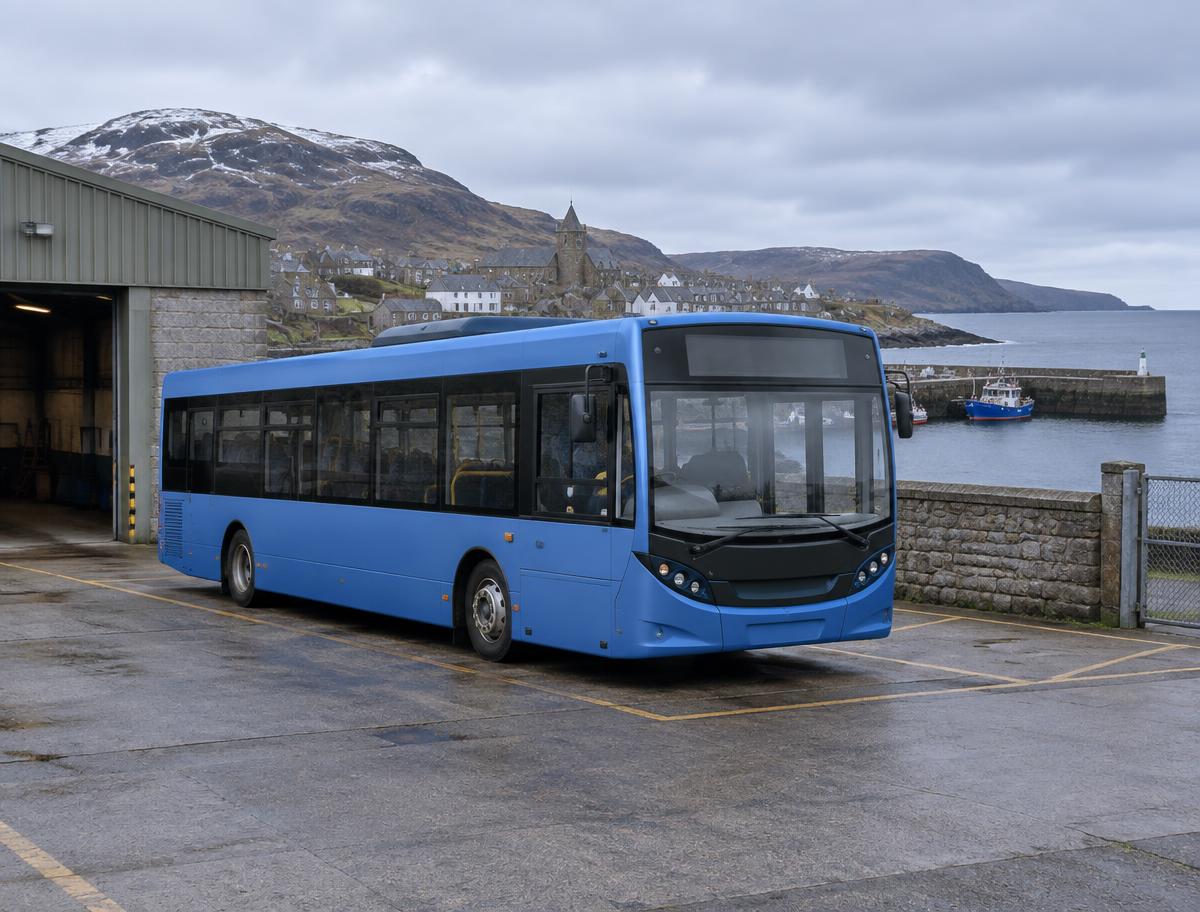
Council-owned operator D&E Coaches is to take over Stagecoach’s bus services in Thurso and Wick from 19 October, with all 26 existing staff transferring to the new operator and no redundancies expected.
Highland Council announced the acquisition on 1 October, confirming that the switch of operator would take place later in the month, a timetable that matters both for passengers who rely on the routes and for the workforce involved.
Staff and assets transferring
The workforce moving across comprises 20 drivers and six maintenance staff, who are expected to transfer under the Transfer of Undertakings (Protection of Employment) regulations, which protect employment terms when a business or part of it changes hands.
The deal also covers the existing bus fleet, the depot in Caithness and associated facilities used to run the services, meaning the operational infrastructure supporting the routes transfers along with the staff rather than being replaced from scratch.
TUPE protections, as they are commonly known, are designed to ensure that employees keep their existing terms and conditions when a service or business changes hands, preventing a new operator from using a transfer of ownership to cut pay or alter contracts unilaterally. Their application in this case underpins the council’s assurance that no redundancies are expected.
Services expected to continue
The operation being acquired covers public bus routes in Thurso and Wick, dedicated school transport, private hire work and services linked to the Dounreay nuclear site, a major local employer. Highland Council has said it expects these services to continue running under the new operator.
A change of operator does not automatically mean changes to routes or timetables, though passengers have been advised to check published service information around the handover date in case of any adjustments as the transfer takes effect.
The Dounreay-linked services are particularly significant locally, given the scale of the nuclear decommissioning site as an employer in Caithness, with many staff relying on dedicated transport links to get to and from work at the site each day.
D&E Coaches’ role within the council
D&E Coaches was itself previously taken into council ownership, and the Stagecoach acquisition represents an expansion of Highland Council’s existing publicly owned bus operations rather than the creation of a new company. The council frames the move as part of a wider strategy to sustain rural transport provision.
Why rural bus ownership matters
Rural bus networks in areas like Caithness often depend on a relatively small number of vehicles, drivers and maintenance staff, meaning that continuity of the depot and workforce can be as important to service reliability as who formally owns the operation.
Council-run bus operations have become more common in parts of Scotland as some private operators have scaled back or withdrawn from less profitable rural routes, with local authorities stepping in to maintain connectivity for communities that would otherwise lose services.
Such interventions are often driven by the recognition that commercial bus operators may not find certain rural routes profitable enough to sustain on their own, particularly in areas with lower passenger numbers spread across long distances, leaving public bodies to decide whether to subsidise private operators or take over services directly.
Reaction
Highland Council leader Raymond Bremner welcomed the agreement, framing it as a way of protecting jobs and transport links in Caithness. Stagecoach North managing director David Beaton and D&E Coaches director Malcolm MacLeod also commented on the deal as part of the council’s announcement.
The lasting measure of the acquisition’s success will be whether services in Thurso and Wick remain reliable once D&E Coaches takes over operations on 19 October, with passengers and staff watching closely for any disruption during the handover period.


