
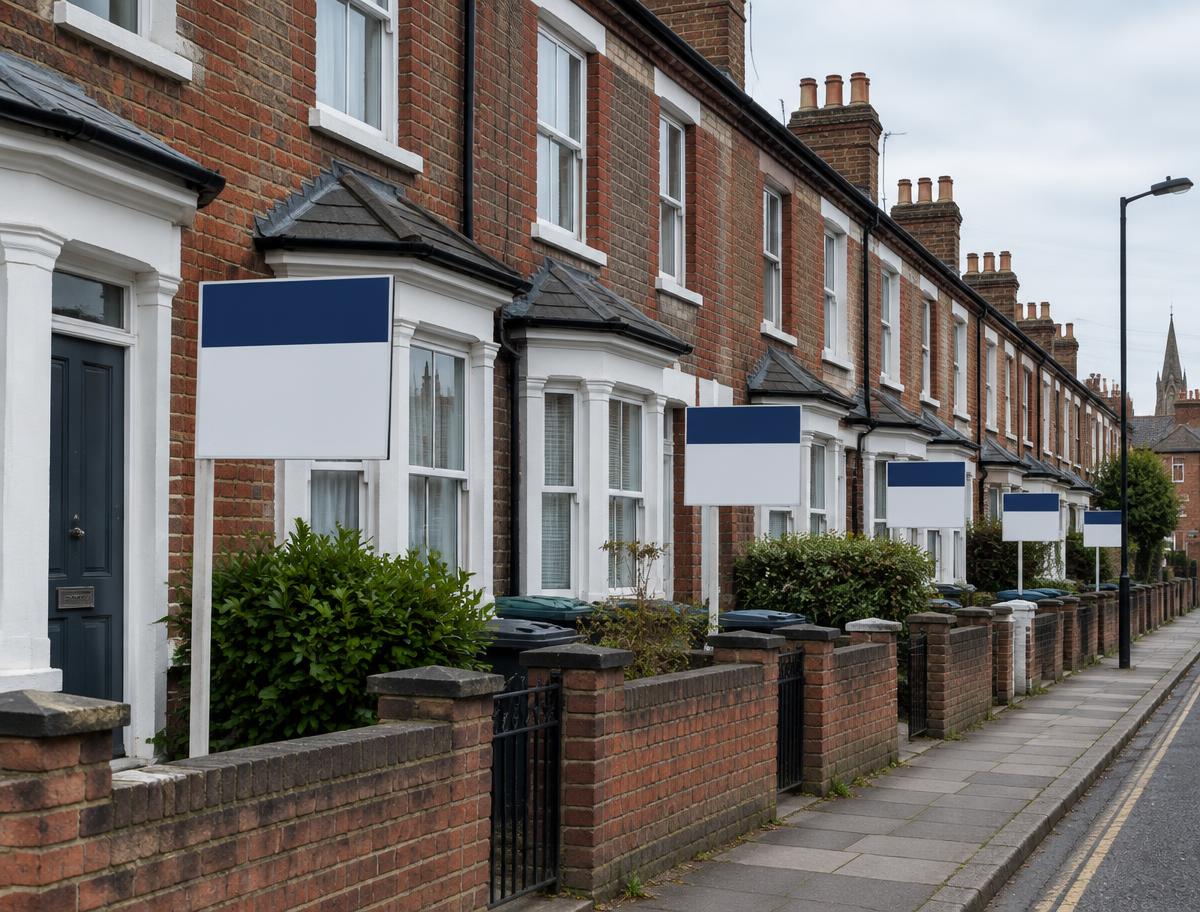
The Green Party of England and Wales has called for an emergency three-year cap on rent rises, as leader Zack Polanski used his conference speech to pitch the party as the sharpest opposition to the mainstream parties on the cost of living.
Speaking to delegates at the party's annual conference in Brighton, Polanski proposed what his team describe as a ‘triple lock’ for renters, under which increases would be capped at whichever is lowest of inflation, wage growth or 2% a year, for three years.
What the proposal involves
The mechanism is designed to stop rents rising faster than either prices or pay during the period the cap would apply, while also preventing landlords from pushing through increases above a hard ceiling even when inflation and wages are both low.
It would not reduce rents that are already in place, nor would it fix a single national rent figure for different types of home. Its effect on any individual tenancy would depend on the terms of that tenancy and on legislation that has not yet been drafted, since a conference speech does not itself change the law.
The Greens are seeking to capitalise on years of rapid rent growth across the UK private rented sector, driven by high demand, a shortage of available homes and landlords passing on higher mortgage costs to tenants. Renters’ groups have long argued that existing protections, including in England the recently passed Renters’ Rights Act, do not go far enough to curb the pace of rent increases between tenancies.
A wider critique of economic policy
Polanski’s speech went beyond housing, criticising the government’s record on energy bills and economic management more broadly, and arguing that a Green government would prioritise public ownership and a faster shift away from fossil fuels. Those arguments are central to the party’s pitch to voters disillusioned with Labour and the Conservatives, but they remain policy positions rather than evidence that any of the measures proposed have been adopted.
The conference in Brighton was described by party figures as the Greens’ largest to date, reflecting a surge in membership and support since Polanski took over the leadership. The party has been polling at record levels in some surveys, positioning itself to the left of Labour on economic policy while also emphasising climate action and civil liberties.
Reaction from the housing sector
Landlord groups have previously warned that strict rent caps can discourage investment in the private rented sector and reduce the overall supply of homes to let, potentially pushing up costs elsewhere. Tenant campaigners, by contrast, argue that without some form of cap, renters will continue to face unaffordable increases with little recourse.
Different rules in Scotland
Housing and tenancy law are devolved matters, and rules on rent increases already differ across the UK. Scotland has its own framework for rent regulation, introduced after the temporary rent cap brought in during the cost-of-living crisis lapsed, and the proposal from the Green Party of England and Wales would not automatically apply north of the border even if adopted at Westminster. The Scottish Greens are a separate, sister party with their own policy platform.
What happens next
For now the rent cap remains a conference pledge rather than a bill before Parliament. The next test will be whether the Green Party builds the proposal into fuller legislative detail, and whether it features in the party’s platform at the next general election, where the Greens will be seeking to turn growing poll numbers into more seats in the House of Commons.
The state of the UK rental market
Average private rents across the UK have risen sharply over recent years, outpacing wage growth in many regions and leaving an increasing share of tenants’ income going toward housing costs. Analysis from bodies including the Office for National Statistics has repeatedly shown rents rising faster than general inflation in several recent years, driven by a combination of strong demand, a shrinking pool of private rented homes as some landlords sell up, and higher borrowing costs for landlords with mortgages, some of which have been passed on to tenants through higher rents.
Campaign groups representing renters, including Generation Rent and Shelter, have long argued that the structural imbalance between housing supply and demand in many UK towns and cities leaves tenants with little bargaining power when faced with a rent increase, particularly given the relative ease with which landlords can serve notice to end a tenancy compared with the difficulty tenants face finding alternative affordable housing quickly.
The Renters’ Rights Act and its limits
The recently passed Renters’ Rights Act introduced significant changes to tenancy law in England, including the abolition of Section 21 “no-fault” evictions and new limits on how frequently landlords can raise rents within a tenancy. However, it did not introduce a cap on how much rents can be increased by when they are raised, nor does it directly address the rent levels charged when a new tenancy begins, which is the point at which many of the sharpest rent increases occur as landlords reset prices to match prevailing market rates.
Polanski’s proposed triple lock is explicitly designed to address that remaining gap, going further than the protections already legislated for by capping the rate of increase itself rather than simply regulating the process and notice period for raising rents.
International and historical precedents
Rent control and rent stabilisation measures of varying design exist in numerous countries and cities internationally, including parts of Germany, Sweden, and several US cities such as New York, with mixed evidence on their long-term effects. Economists broadly agree that strict rent controls can, over time, reduce the incentive for landlords to maintain or expand the supply of rental housing, potentially worsening availability even as they protect existing tenants from steep increases, a trade-off that continues to divide housing economists and policymakers.
Advocates of rent caps argue that, properly designed and combined with efforts to boost housing supply, such measures can provide meaningful short-term relief for tenants without triggering the sharpest predicted negative effects on supply, pointing to examples where more moderate rent stabilisation measures have coexisted with continued rental market activity.
The Greens’ broader political strategy
Polanski’s rent cap proposal forms part of a deliberate strategy by the Green Party to position itself to the left of Labour on economic and housing policy, appealing to voters who feel that mainstream parties have not gone far enough to address the cost-of-living pressures facing renters, particularly younger voters increasingly locked out of homeownership. The party’s growing poll numbers under Polanski’s leadership suggest this positioning has found some traction, though translating poll support into parliamentary seats under the UK’s first-past-the-post electoral system remains a significant challenge for a party that has historically held only a small number of Commons seats.


