
Scotland’s first local drug-checking service is set to open in Glasgow this month, allowing people to submit samples of drugs for rapid testing and receive harm-reduction advice alongside the results, the Scottish Government has announced.
The pilot, backed by more than £1.7 million of government investment, is intended to be the first of several such services, with Aberdeen and Dundee already holding Home Office licences to run similar facilities and a fourth service in Edinburgh preparing its own licence application.
How drug checking works
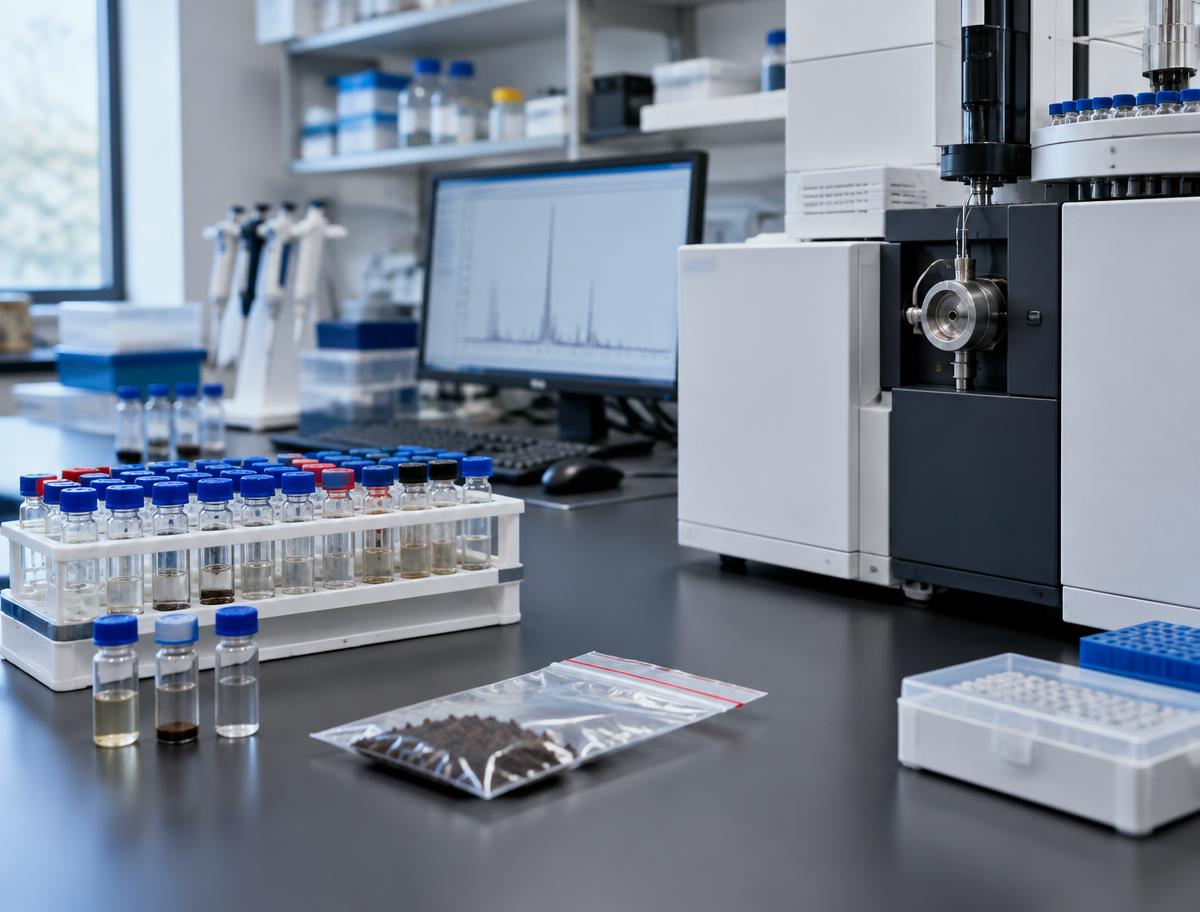
Drug-checking, sometimes known as “drug safety testing”, allows people who use drugs to find out what a substance actually contains, and at what strength, rather than relying on what they were told when it was bought. Samples submitted in Glasgow, and later at other sites once they open, will be sent to a new national testing and research laboratory hosted by the Leverhulme Research Centre for Forensic Science at the University of Dundee, where fuller chemical analysis can be carried out.
The government says this deeper analysis will feed into a national early warning system, giving health services and harm-reduction workers faster notice of dangerous or unexpected substances circulating in the drug supply, such as highly potent synthetic opioids that have been linked to clusters of overdoses elsewhere in the UK and overseas.
Why Scotland is pursuing this approach
Scotland has recorded among the highest drug death rates in Europe for several years, a crisis that has prompted ministers to expand a range of harm-reduction measures, including the UK’s first officially sanctioned safer drug consumption facility, which opened in Glasgow in 2024. Drug-checking services have operated for years in parts of continental Europe and have more recently been trialled in England, with advocates arguing they can reduce overdose deaths by warning users about particularly dangerous batches.
Drugs Minister Maree Todd said drug checking will help people make safer decisions at a time when the illegal drug supply is becoming increasingly unpredictable and toxic. She thanked partner organisations in Glasgow for their work in setting up the service.
Legal and regulatory framework
Because possessing controlled drugs remains a criminal offence under UK-wide law, services of this kind require a Home Office licence to operate lawfully, even though drug policy more broadly touches on areas where the Scottish Government has pushed for greater devolved control. Securing licences for Aberdeen and Dundee, alongside the Glasgow pilot, reflects a cautious, phased approach to rolling out the model across Scotland’s major cities.
A decade of rising drug deaths
Scotland’s drug death rate rose sharply through the 2010s, reaching a peak that drew international attention and repeated criticism of successive governments’ approach to addiction services. The Scottish Government subsequently declared tackling drug deaths a national priority, establishing a dedicated minister for drugs policy and committing additional funding to treatment and residential rehabilitation, alongside harm-reduction measures such as the Glasgow consumption room and the wider rollout of naloxone, the medication used to reverse opioid overdoses.
The emergence of synthetic opioids such as nitazenes in the illegal drug supply in recent years has added further urgency to calls for real-time intelligence about what substances are circulating, since these drugs can be far more potent than heroin and have been linked to spikes in overdose deaths in several UK cities.
Reaction and context
Harm-reduction charities and some public health specialists have long called for drug-checking services in Scotland, arguing that they give services real-time intelligence about what is actually in circulation rather than relying solely on toxicology results gathered after fatal overdoses have already occurred. Critics of a harm-reduction approach have previously argued that resources should prioritise treatment and recovery services instead, a debate that has run alongside Scotland’s wider efforts to tackle its drug death toll.
What happens next
The Scottish Government says it will evaluate how the Glasgow pilot operates before deciding on further expansion, with Aberdeen, Dundee and Edinburgh expected to follow once their own services are operational. Ministers have said the new national laboratory in Dundee will play a central role in monitoring Scotland’s illegal drug supply over the coming months, informing both the drug-checking network and other public health responses.
Similar services operating elsewhere in Europe have reported that a notable proportion of samples tested do not match what users believed they had purchased, information campaigners say is critical to reducing accidental overdoses linked to unexpectedly strong or contaminated substances.


