
The arrest of August Hanning, the former head of Germany's foreign intelligence service, has sent shockwaves through Berlin's security establishment and prompted demands for a fundamental overhaul of how the country protects its secrets.
Hanning, who ran the Bundesnachrichtendienst (BND) from 1998 to 2005 and later served as state secretary at the interior ministry, was detained on suspicion of attempted treason. Federal prosecutors say he is strongly suspected of treasonous espionage, obtaining state secrets, attempted treason and espionage.
It is the first time a former head of the BND has been arrested, and lawmakers have described it as one of the most serious intelligence breaches in Germany since the Cold War.
Secrets for payment
According to prosecutors, around five years after his tenure at the BND ended, Hanning reached an agreement with a former BND office manager to receive confidential intelligence information in exchange for payment.
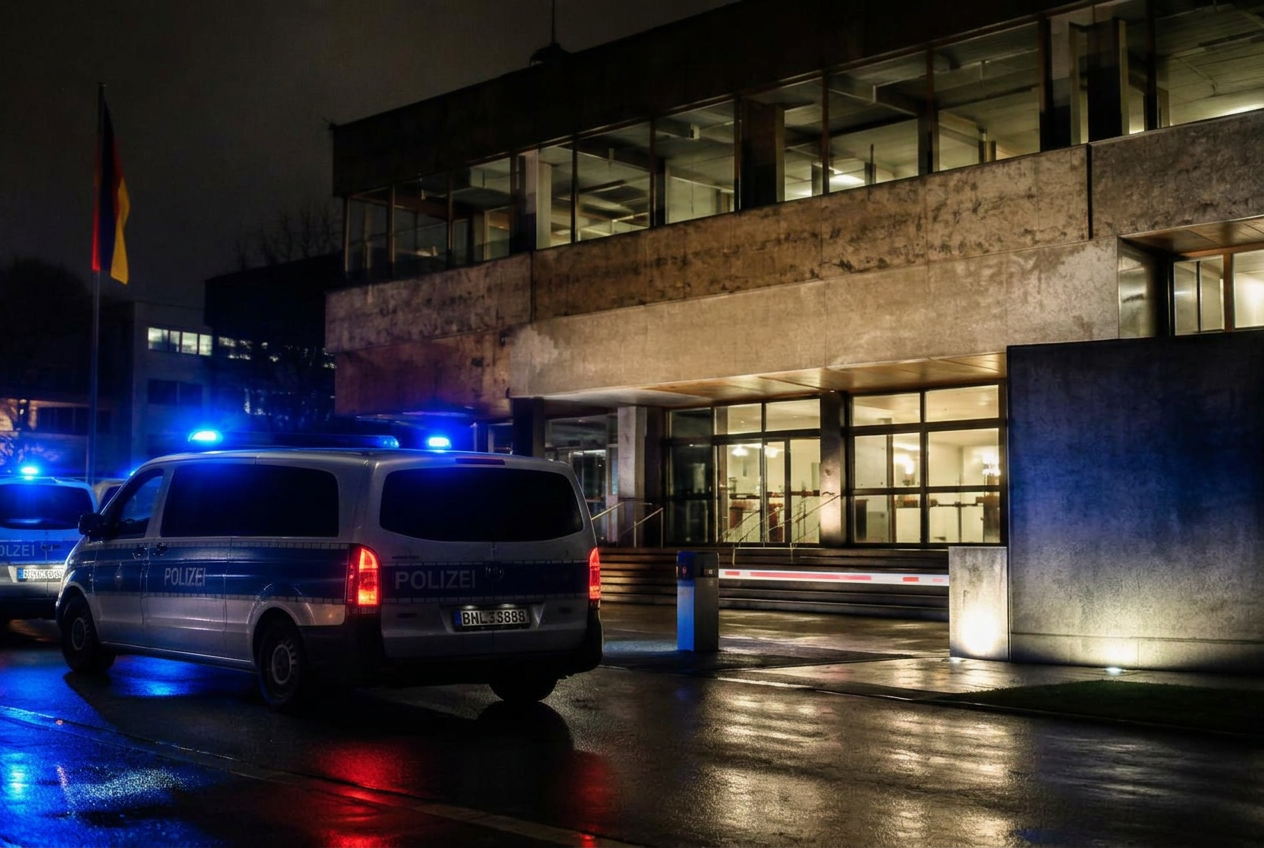
The office manager, identified under German privacy rules only as Manfred D., had served as an office manager to successive BND presidents. He was arrested on the same day, and both men were brought before a judge at the Federal Court of Justice.
Prosecutors allege that Hanning used the secret material in an analysis prepared for a foreign intelligence service. They have not identified which service, and it is not yet clear whether the analysis ever reached its intended recipient.
The claims also suggest that intelligence was exploited for private clients, adding a commercial dimension to the alleged breach that has particularly angered officials.
The 'godfather' of German security
The case is all the more striking because of Hanning's standing. He is often described as a "godfather" of Germany's 21st-century security architecture, a man who shaped the country's response to Islamist terrorism after the 11 September 2001 attacks.
He was also known for his outspoken criticism of the limits placed on German intelligence. He once described the country's own services as "vegetarians" surrounded by prowling carnivores, arguing that they needed far broader powers to keep Germany safe in a dangerous world.
Colleagues who worked alongside him have spoken of disbelief. One senior figure described the arrest as a "stab to the heart" for the intelligence community, which has long relied on the discretion of its former leaders.
Damage to allied trust
A senior security lawmaker warned that the case could damage Germany's intelligence relationships with allied nations. Partner agencies share sensitive material on the understanding that it will be tightly guarded, and any suggestion that secrets have leaked through a former chief is likely to prompt questions in allied capitals.
The arrest comes after a string of troubling espionage cases in Germany in recent years, including the conviction of a BND employee who passed secrets to Russia and several prosecutions involving alleged spying for China.
Those cases had already intensified pressure on the government to modernise counter-intelligence, tighten vetting and improve oversight of people who retain access to sensitive networks after leaving official posts.
Calls for reform
Opposition and government politicians alike have called for a review of how former senior officials are monitored and how access to classified information is cut off once employment ends.
Some members of the Bundestag's intelligence oversight committee have asked for an urgent briefing, while others have argued that the case shows the need for a dedicated body to investigate leaks within the security services themselves.
There are also questions about how long the alleged arrangement went undetected. Prosecutors say the agreement dates back more than a decade, raising concerns about internal controls at the BND during that period.
What happens next
Hanning has not publicly commented on the allegations, and he is entitled to the presumption of innocence. Treason and espionage offences in Germany can carry lengthy prison sentences if proven.
Investigators are expected to examine financial records, communications and the documents allegedly obtained, as well as attempting to establish which foreign service was the intended recipient of the analysis.
For Germany, which is already contending with Russian sabotage plots, cyber attacks and growing tension over Chinese espionage, the arrest is a deeply uncomfortable moment. A man who spent his career warning that the state was too soft on spies now stands accused of becoming one.


