
The captain of a Flydubai flight has been praised for his actions after a co-pilot allegedly attacked him in the cockpit during a journey from Dubai to Tel Aviv carrying 174 passengers, in an incident now under investigation by authorities in the United Arab Emirates, according to DW.
Investigators are working to establish why the co-pilot is alleged to have attacked his fellow crew member mid-flight, in what officials have described as an apparent attempt to bring down the aircraft.
What happened on board
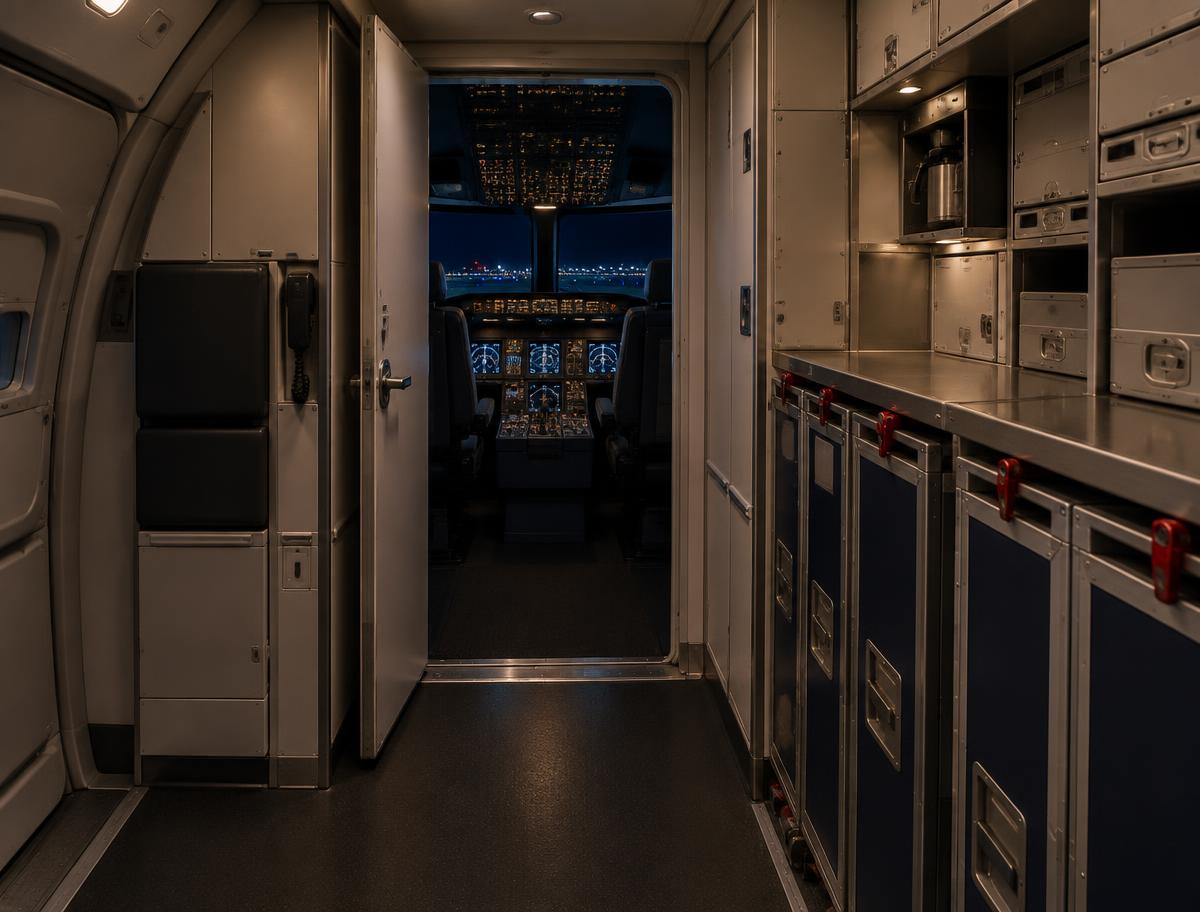
According to Israeli Prime Minister Benjamin Netanyahu, the co-pilot stabbed the captain during the flight in what appeared to be a deliberate attempt to crash the plane. The captain, an Indian national, was injured in the attack but managed to open the cockpit door, allowing passengers and cabin crew to intervene.
Passengers and crew on board subdued the co-pilot, bringing the immediate threat under control. With the captain injured and the co-pilot restrained, off-duty Flydubai crew members who happened to be travelling on the flight took over and landed the aircraft safely at Tabuk, in Saudi Arabia, rather than continuing on to its original destination of Tel Aviv.
The decision to divert to Tabuk, rather than attempt to continue to Tel Aviv or return to Dubai, reflects standard aviation safety practice of landing at the nearest suitable airport once a serious in-flight emergency has occurred, prioritising getting the aircraft and its occupants safely on the ground over completing the original journey.
The response from passengers and crew
The intervention by passengers and off-duty crew has been credited with preventing a far more serious outcome, and aviation safety experts note that such mid-air interventions, while rare, rely heavily on the quick thinking of those on board when cockpit security is compromised. Modern cockpit doors are designed to be highly secure specifically to prevent unauthorised access during flight, underlining the seriousness of an alleged attack originating from within the cockpit itself.
Passengers who described the moments after the captain emerged from the cockpit spoke of confusion and fear spreading through the cabin before crew members moved quickly to restrain the co-pilot and reassure those on board, a sequence of events consistent with training airlines give cabin crew for handling in-flight security incidents.
Investigation under way
The United Arab Emirates’ chief prosecutor has opened an investigation into the incident, examining whether the attack involved terrorist intent. Officials have not yet publicly detailed a motive, and the co-pilot has not been named in reporting on the incident so far.
Reports indicate that the injured captain is in stable condition following the attack, though further details of his medical treatment and recovery have not been made public.
Context: security after the attack
Flydubai, the Dubai-based low-cost carrier, operates an extensive network of routes across the Middle East, Africa, Asia and Europe, and had resumed some flights to Tel Aviv as regional travel patterns shifted amid changing diplomatic and security conditions in the region. An attack originating from within the flight crew itself, rather than from a passenger or external threat, is likely to prompt renewed scrutiny of psychological screening and vetting procedures for pilots across the industry, an issue that has arisen periodically after previous incidents involving crew members internationally.
Airlines typically rely on a combination of medical assessments, background checks and ongoing monitoring to identify pilots who may pose a risk, but aviation safety specialists have long acknowledged that such systems cannot guarantee the detection of every potential threat, particularly where there is no prior history of concerning behaviour.
What happens next
The investigation by UAE authorities is expected to focus on establishing the co-pilot’s background, state of mind and any possible links to extremist motivations, as prosecutors decide whether to pursue terrorism-related charges. Aviation regulators and airlines in the region are likely to watch the outcome closely, given the implications it could have for crew screening policies across carriers operating in the Gulf and wider Middle East.
The aircraft involved, along with its flight data and cockpit voice recorders, is expected to form a key part of the investigation, helping prosecutors reconstruct the exact sequence of events in the cockpit before the captain was able to raise the alarm. Flydubai has not yet commented in detail publicly on the operational and safety review it may carry out as a result of the incident.


