The Netherlands’ main intelligence agency has warned that microphones, cameras and GPS systems built into modern cars could be used by hostile states to spy on drivers and passengers. The General Intelligence and Security Service, known as the AIVD, said some vehicles allow microphones and cameras to be switched on remotely.
In guidance released on Wednesday, the agency called for “awareness of espionage risks around modern vehicles”. It did not name any country. But the warning adds to concern in several European states about the rapid growth of Chinese car sales.
A computer on wheels
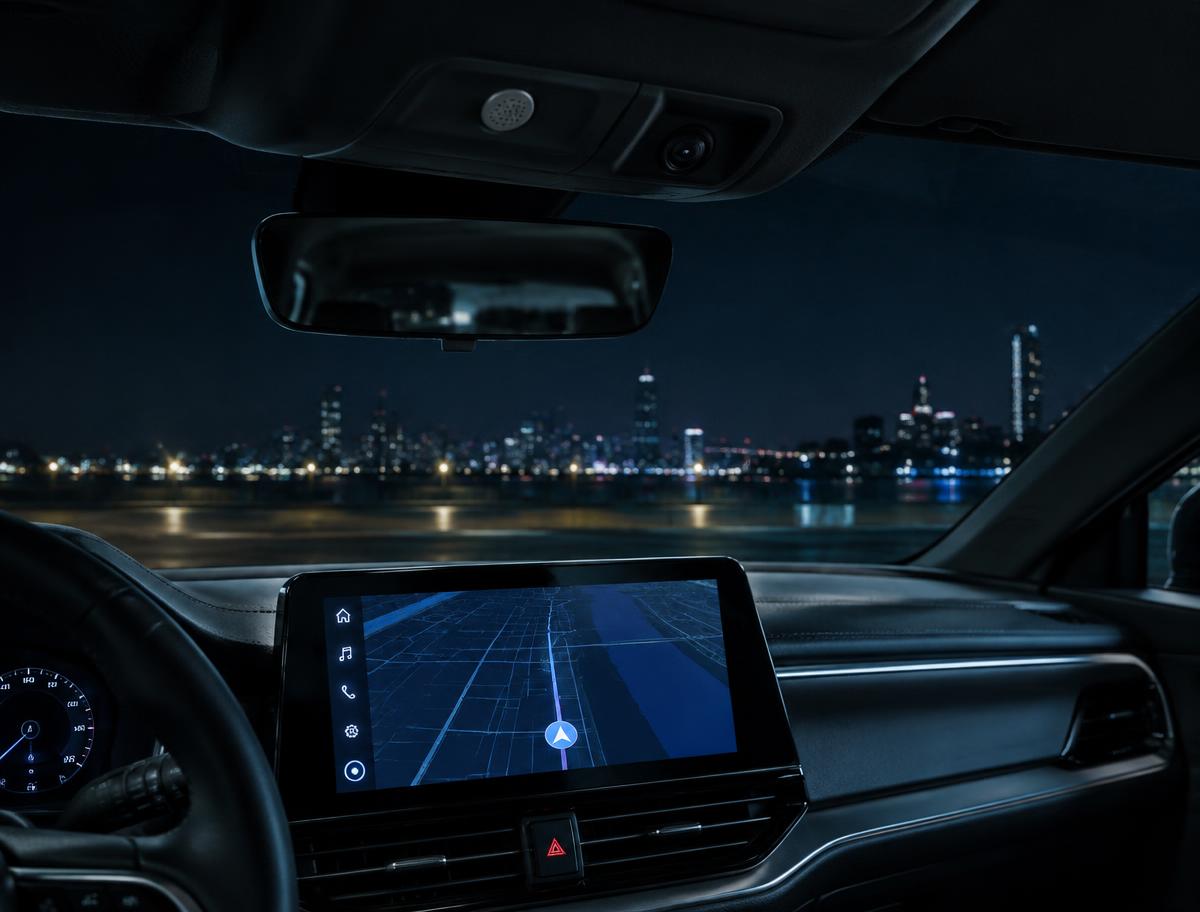
The AIVD said cars have become “increasingly smart”, with digital systems that collect data and connect to the internet. “On the one hand this offers practical benefits, but on the other hand these systems collect a great deal of data about occupants, the vehicle itself, and about objects and people in the vicinity,” it said. “Various parties, including state actors, can gain access to this data.”
The agency said it was “technically possible to activate” microphones and cameras remotely in some cars, allowing malicious actors to “eavesdrop on conversations” and “make recordings in and around the vehicle”.
Its advice is blunt. Drivers should “not hold confidential conversations in or around the vehicle” and should avoid using a car with an external camera when travelling to a sensitive location.
Phones and chargers as entry points
The warning goes beyond the car itself. The AIVD said connecting phones and other devices through Bluetooth, wifi or charging systems could allow malicious actors to “extract data from connected devices via the vehicle”. Satellite navigation systems, telematics modules and charging stations could all be used to collect and transmit information about a car and its driver’s whereabouts.
For most motorists, the risk is likely to be remote. For officials, defence workers, journalists and executives handling sensitive information, the guidance suggests the family car should be treated with the same caution as a phone or laptop.
The Chinese car boom
The alert has particular resonance in Britain. Chinese-owned brands accounted for 15% of new cars registered in the UK in the first half of 2026, according to the Society of Motor Manufacturers and Traders: almost 175,000 vehicles, more than double the figure for the same period last year. Models from MG, BYD and Jaecoo, whose parent company Chery is part-owned by the Chinese state, have led the surge. The Jaecoo 7 was the UK’s best-selling car in March.
MPs have raised concerns that China’s national intelligence law requires companies to assist the state’s intelligence services when asked. Beijing says its firms operate independently and rejects claims that its products pose a security threat.
Military sites already acting
British defence firms working for the government were reported last year to have told staff not to connect or pair their phones with Chinese-made electric cars. This year the Ministry of Defence reportedly banned vehicles with Chinese parts from some sensitive sites, including RAF Wyton in Cambridgeshire and the Dorset headquarters of the Special Boat Service.
The MoD has said it is working with other departments “to understand and mitigate any potential threats to national security” from vehicles.
A wider pattern
The Dutch warning came on the same day MI5 told UK universities to stop working with a Chinese research institute it described as a front for Beijing’s intelligence service. Taken together, the two alerts show European security agencies increasingly focused on everyday technology, from research grants to dashboards, as routes for state espionage.
Carmakers argue that connected features bring real safety and convenience benefits, from emergency calls to navigation. The question now facing regulators is how to keep those benefits while giving drivers confidence about who can switch on the microphone above their heads.