
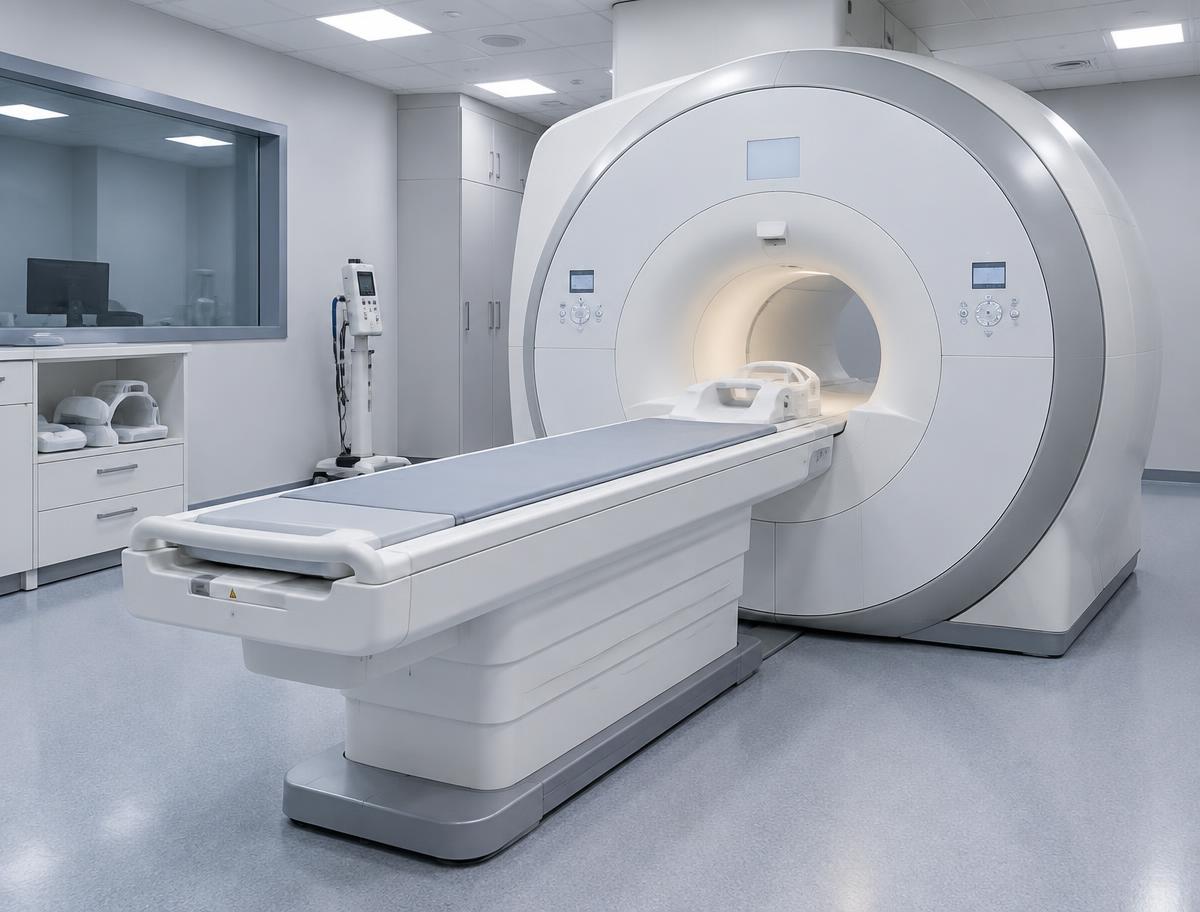
A new £80m government-backed drive to speed up and improve dementia diagnosis across the NHS has been launched, with nine technologies set to be tested in real-world healthcare settings.
The Dementia Challenge, funded through UK Research and Innovation’s Research and Development Missions Accelerator Programme, aims to raise the proportion of people diagnosed within 18 weeks of referral to 92%, up from around 60% today, when diagnosis can currently take more than a year.
Why faster diagnosis matters
Dementia is the leading cause of death in the UK, accounting for almost one in eight deaths, with more than 72,000 people across the UK dying from dementia, including Alzheimer’s disease, in 2025.
Despite medical advances, many families still face long waits for a diagnosis, delaying access to treatment, support and the chance to plan ahead. Earlier diagnosis can reduce the likelihood of emergency hospital admissions, delay the need for more intensive care support and allow patients to make informed decisions about work, finances and family life while they are still able to do so.
The nine technologies
Nine projects have been selected to move into real-world testing within the NHS, covering a range of approaches including faster MRI brain scans and remote cognitive assessments that patients could complete without needing to attend a specialist clinic in person.
Among them is a project led by researchers from the universities of Oxford and Cambridge, Imperial College London and Dementias Platform UK, which will integrate blood-based dementia biomarkers into routine NHS memory services, rolling the approach out at between six and ten NHS memory service sites as part of the standard clinical pathway.
Another is the University of Exeter’s PROTECT study, which has spent 12 years developing tools for home-based health monitoring that can help detect dementia risk earlier, and will now be fast-tracked into the NHS under the new funding.
How the funding works
Rather than committing the full £80m upfront, the programme is designed so that only projects which prove they are working in real-world NHS settings receive further funding to scale up, intended to ensure that money goes where it makes the biggest difference to patients.
Science Minister Chris McDonald said dementia was a “desperately cruel condition, robbing sufferers of their memories and family of precious time with their loved ones”, and that science offered the tools to tackle it more effectively.
What comes next
The challenge builds on an earlier invitation-only call for applications that closed in June, after which successful projects were selected for a fully funded real-world evaluation generating the evidence needed for wider adoption across the NHS. The broader aim is for selected technologies to be deployable across the health service from 2029, with the current phase focused on proving their effectiveness in everyday clinical conditions rather than controlled research settings. Professor Anne Corbett, who leads the PROTECT study, said the funding gave researchers the opportunity to fast-track tools they had spent years developing into real NHS use, addressing the gap created by long waiting times that she said led to poor mental health and wellbeing for patients and families.
The scale of the diagnosis problem
Current estimates suggest that hundreds of thousands of people in the UK are living with dementia without a formal diagnosis, often because symptoms are mistaken for normal ageing or because getting an appointment with a memory clinic, followed by the necessary scans and assessments, can take many months. Long diagnostic pathways can leave families without access to medication, support services or legal planning advice at a point when an earlier diagnosis could have made a meaningful difference to quality of life.
The 18-week target that the Dementia Challenge aims to help meet mirrors wider NHS standards for referral-to-treatment times used across many other conditions, but dementia diagnosis has historically lagged behind other specialties because it typically requires a combination of cognitive testing, brain imaging and clinical assessment that can be difficult to coordinate quickly, particularly in areas with limited specialist memory service capacity.
Technology’s role in speeding up diagnosis
The technologies being tested under the programme span several different approaches. Faster MRI scanning protocols aim to reduce the time patients need to spend in a scanner while still producing images detailed enough for clinicians to identify patterns associated with different types of dementia. Remote cognitive assessment tools, meanwhile, are designed to let patients complete standardised memory and reasoning tests from home, reducing the need for in-person clinic visits and potentially shortening waiting lists at memory services.
Blood-based biomarker tests, such as those being integrated into NHS memory services by the Oxford, Cambridge and Imperial College London collaboration, represent one of the most closely watched areas of dementia research internationally. These tests look for specific proteins in the blood associated with the biological changes seen in Alzheimer’s disease, and researchers hope they could eventually reduce reliance on more invasive or expensive methods of confirming a diagnosis, such as lumbar punctures or PET scans.
Why real-world testing matters
Many promising diagnostic tools perform well in controlled research settings but struggle when introduced into the variable conditions of everyday NHS clinics, where staff time, equipment availability and patient circumstances differ widely between hospitals and regions. By funding real-world evaluation rather than further laboratory research, the Dementia Challenge is explicitly trying to close the gap between scientific promise and practical, scalable NHS deployment, a step that has proved a bottleneck for many health technologies in the past.
Who oversees the programme
The Dementia Challenge is run through UK Research and Innovation’s Research and Development Missions Accelerator Programme, a mechanism designed to channel government funding into technologies judged close enough to deployment that a relatively modest investment could unlock significant improvements in care within a few years, rather than over a longer horizon of basic research. Projects that demonstrate success in the current phase will be eligible to apply for further funding to scale up their approach across more NHS sites.
The human stakes
For families affected by dementia, the practical difference a faster diagnosis can make includes earlier access to medication that can slow the progression of certain symptoms, earlier referral to support services and carers’ groups, and more time to make decisions about finances, housing and future care while the person affected is still able to participate fully in those conversations. Charities working with people affected by dementia have long argued that diagnosis delays represent one of the most solvable failures in current care pathways, making the outcome of this programme closely watched across the sector.


