One of Scotland's last surviving D-Day veterans, who helped clear sea mines off Omaha Beach during the Normandy landings, has died aged 100, just days before Remembrance Sunday.
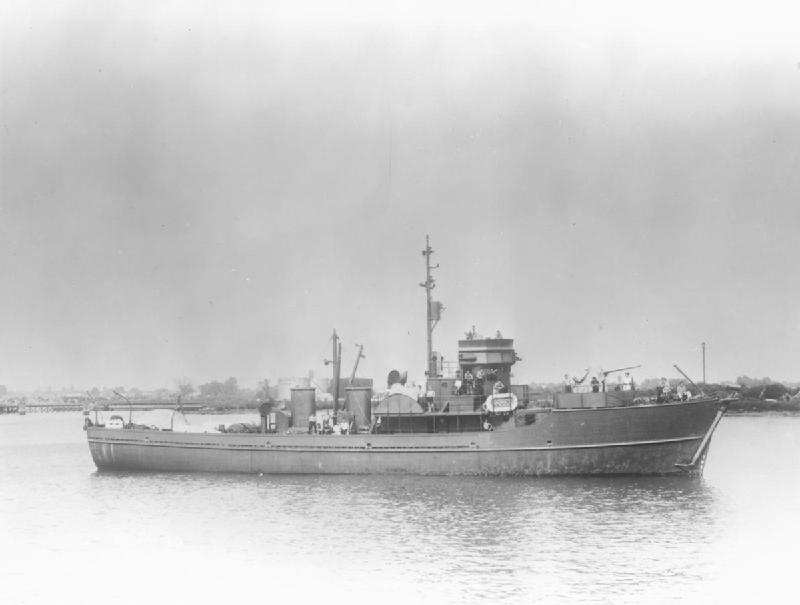
Charlie Horne died on Tuesday at the Erskine Veterans Charity's Edinburgh home, where he had been living since the summer. He was 18 years old when he served on a small wooden minesweeper that came under fire on 6 June 1944, as Allied forces began the largest seaborne invasion in history.
Mr Horne, who was from Prestonpans in East Lothian, said the scenes of devastation he witnessed as the Allied forces landed in France stayed with him for the rest of his life. His recollections of his wartime service have been recorded and preserved for future generations.
An 18-year-old off Omaha Beach
Minesweepers were among the first vessels sent into the waters off the Normandy coast in the early hours of D-Day. Their task was to clear channels through the dense minefields laid by German forces, so that the invasion fleet and the landing craft carrying thousands of troops could reach the beaches without being blown up.
The work was slow, dangerous and largely unseen. The small wooden vessels — many of them British Yard Minesweepers built to a design that minimised the risk of triggering magnetic mines — operated under fire from shore batteries while the landings unfolded around them. Crews were often young men barely out of their teens.
Mr Horne was one of them. A former trawlerman, he brought to the job the seafaring skills he had learned in the fishing communities of the Firth of Forth, where trawling and minesweeping shared much of the same gear and many of the same men.
"A remarkable man"
Erskine, the Scottish charity that has cared for veterans since 1916, paid tribute to him on Saturday. "We are deeply saddened by Charlie's passing, and our thoughts are with his family, friends and everyone who knew and loved him," a spokesperson said. He was remembered as "a remarkable man".
The charity's Edinburgh home, where Mr Horne spent his final months, looks after former servicemen and women from across Scotland. Staff there said his memories of the war, recorded in interviews over the years, would remain an important part of the historical record of the landings.
Tributes also came from his home community in East Lothian, where he was well known. Prestonpans, on the coast east of Edinburgh, has a long maritime tradition, and local figures described him as a quiet man who rarely sought attention for what he had done.
A dwindling generation
Mr Horne's death leaves only a handful of Scottish veterans of the Normandy campaign still alive. More than 80 years on from D-Day, the number of surviving veterans across the United Kingdom has fallen sharply, and each Remembrance Sunday brings fresh recognition that the generation which fought in the Second World War is almost gone.
The Battle of Normandy, which began with the landings on 6 June 1944 and continued through the summer, cost tens of thousands of Allied and German lives. British minesweeping crews cleared the approach channels in the days and hours before the first troops went ashore, and continued sweeping throughout the campaign as new mines were laid.
Veterans' charities have urged the public to use this weekend's remembrance events to reflect on the service of that generation while some of its members are still alive to hear the thanks. The Royal British Legion and Erskine both run programmes recording veterans' testimony, conscious that first-hand accounts will soon no longer be possible.
Remembrance Sunday
Mr Horne died a week before Remembrance Sunday, when services will be held at war memorials across Scotland and the rest of the United Kingdom. In Edinburgh, the national service of remembrance takes place at the Stone of Remembrance on the Royal Mile, with veterans, serving personnel and civic leaders in attendance.
Erskine said it would be remembering Mr Horne and all the veterans it has cared for over the past century at its own services. The charity, founded in the aftermath of the First World War, now supports veterans of every conflict since, from Normandy to Afghanistan.
Funeral arrangements have not yet been announced. His family has asked for privacy, and said they were grateful for the kindness shown to him in his final months.