The bluetongue restricted zone that has covered parts of south-west Scotland will be extended to the whole country from Saturday 3 October, following agreement with the farming industry, the Scottish Government said.
What it means for farmers
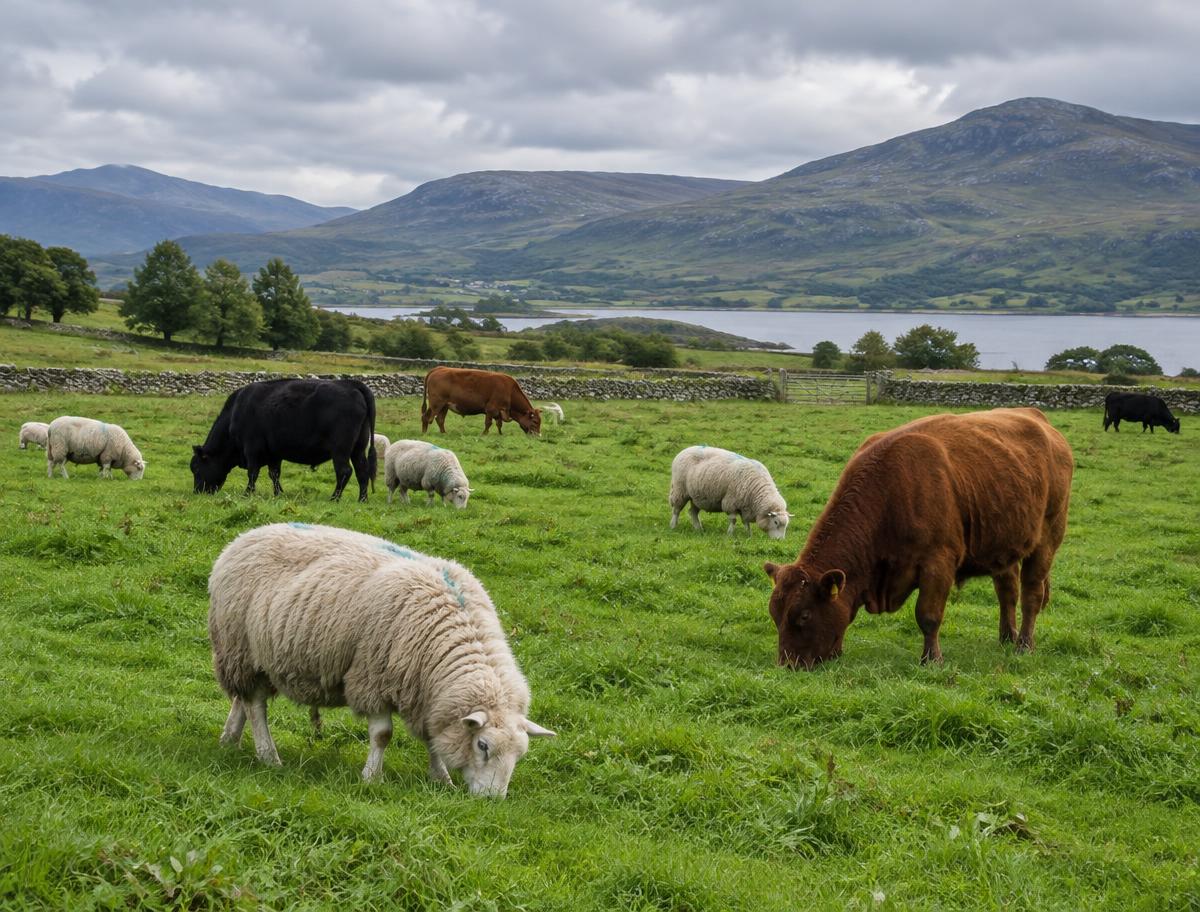
Because all of Scotland will share the same disease status, licences currently needed to move susceptible livestock such as cattle and sheep into, within and out of the south-west zone will no longer be required. The government expects this to make trading simpler for farmers, hauliers and auction marts during the busy autumn sales. Some conditions remain, including a ban on moving animals that show clinical signs of the disease.
Cases so far
Since the south-west zone was set up, bluetongue has been detected on 40 premises, four of them outside the zone and traced through animal movements. All affected farms are under movement restrictions, and the government says cooler temperatures reduce the chance of onward spread, since the virus is carried by biting midges.
Industry backing
The decision was agreed with groups including NFU Scotland, the National Sheep Association, the Scottish Beef Association, the Institute of Auctioneers and Appraisers in Scotland and Quality Meat Scotland. A joint government and industry group will promote vaccination and share advice with farmers and vets.