Barclays is to cut about 5,000 jobs as part of a cost-saving drive its bosses say is being accelerated by artificial intelligence, on the same day the bank reported a 12% rise in quarterly profits.
The reductions amount to roughly 5% of the lender’s 93,000 staff worldwide. Executives said around 1,000 roles had already gone since January.
The bank’s chief financial officer, Anna Cross, told reporters on Thursday that the cuts were part of plans to save more than £1.1bn in 2027. “These actions involve an expected reduction of circa 5,000 full-time employees,” she said. “Around 60% of the group actions relate to support functions, including fewer developers, as AI makes our people more productive.”
‘Icing on the cake’
Asked how many of the job losses were directly linked to AI, the chief executive, CS Venkatakrishnan, said the bank had been making “deep investments” in technology and simplifying how it works. “That is driving the bulk of the efficiency gains that you’ve seen so far,” he said. “AI has an important role to play and may have a more important role to play in the future.”
He described AI as the “icing on the cake” of a wider effort to modernise Barclays’ systems. “We have been focusing on the infrastructure build, and where the infrastructure is modern, we’ve been applying AI,” he said.
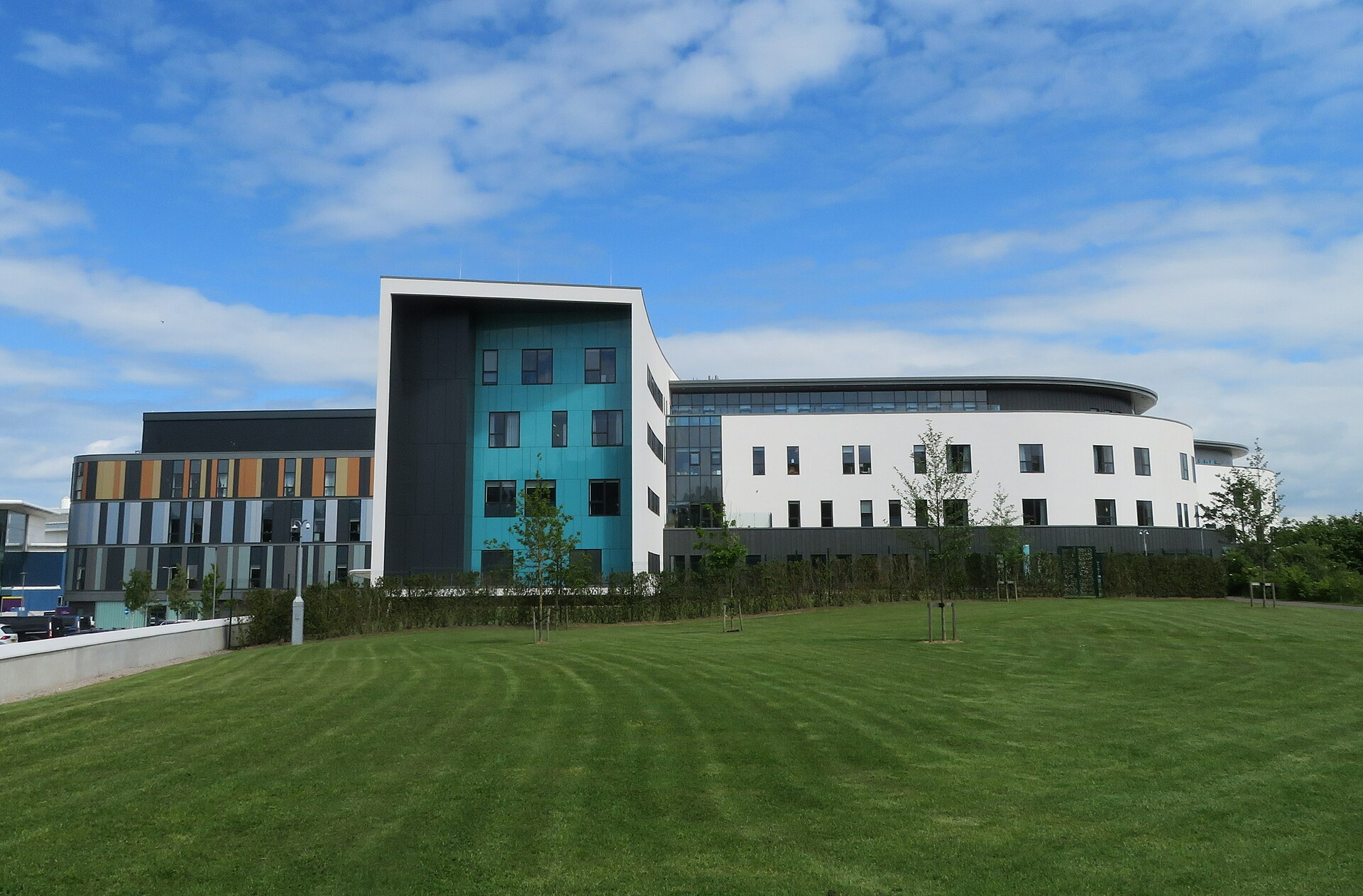
The bank did not say how the cuts would be split between countries or which UK sites would be affected. Barclays employs thousands of people in Scotland, including at its large Glasgow campus at Buchanan Wharf, which opened in 2023 and houses technology, operations and support teams.
Barclays is not the only big lender reshaping its workforce around AI. Earlier this year Standard Chartered, which is also headquartered in London, announced plans to cut more than 7,000 jobs over four years, including about 15% of its back-office roles by 2030.
Profits and payouts
Barclays said it made £2.3bn in pre-tax profit between July and September, up from £2.1bn in the same period last year. It will return a further £500m to investors through a share buyback, bringing the total handed to shareholders since January, through buybacks and dividends, to £2.8bn.
Its UK retail bank performed strongly. Net interest income – the difference between what a bank earns on loans and what it pays to savers – rose 6% to £2bn. That figure has been helped by higher interest rate expectations, which have climbed as the war involving Iran has pushed up inflation forecasts.
Pressure ahead of the Budget
The results land six days before the Chancellor, John Healey, delivers his Budget on 28 October. He is widely expected to raise taxes on banks as Andy Burnham’s government looks for money to fund cost of living support, including help with energy bills.
Net interest income has become a central argument for campaigners who want a bigger contribution from the sector. The Trades Union Congress, which has led calls for a higher bank tax, said Barclays’ figures were part of a wider pattern.
“Barclays’ bumper profits aren’t an anomaly,” said the TUC general secretary, Paul Nowak. “All the big banks are doing exceptionally well at the same time – but their windfall profits have been underpinned by mortgage misery for millions. That’s why it’s time for banks to pay a fairer share.” He added that Britain’s four biggest banks had made £200bn in profit since 2021.
Banks argue that the UK already taxes them more heavily than many rival financial centres, through a corporation tax surcharge and a levy on balance sheets, and that further rises could reduce lending to households and businesses. Barclays’ leadership has signalled that a moderate increase would be “bearable”.
Mr Healey has said the Budget will back entrepreneurs and focus on reducing the “cost of business”. He told The Times: “I want to be a chancellor who backs business in Britain making a profit.”
What it means for staff and customers
Unions are likely to press Barclays for details of where the cuts will fall and whether they can be made through voluntary redundancy and natural turnover. The bank said the reductions would be spread over time as it automates more support and software work.
For customers, the bank says greater automation should mean faster service and fewer errors. Critics warn that the steady loss of human staff, alongside branch closures across Scotland and the rest of the UK in recent years, risks leaving older and less digitally confident customers behind.
The figures will add to a growing debate over how quickly AI will replace office jobs in financial services, one of the UK’s largest employers, and whether the gains will flow mainly to shareholders or to workers and customers.