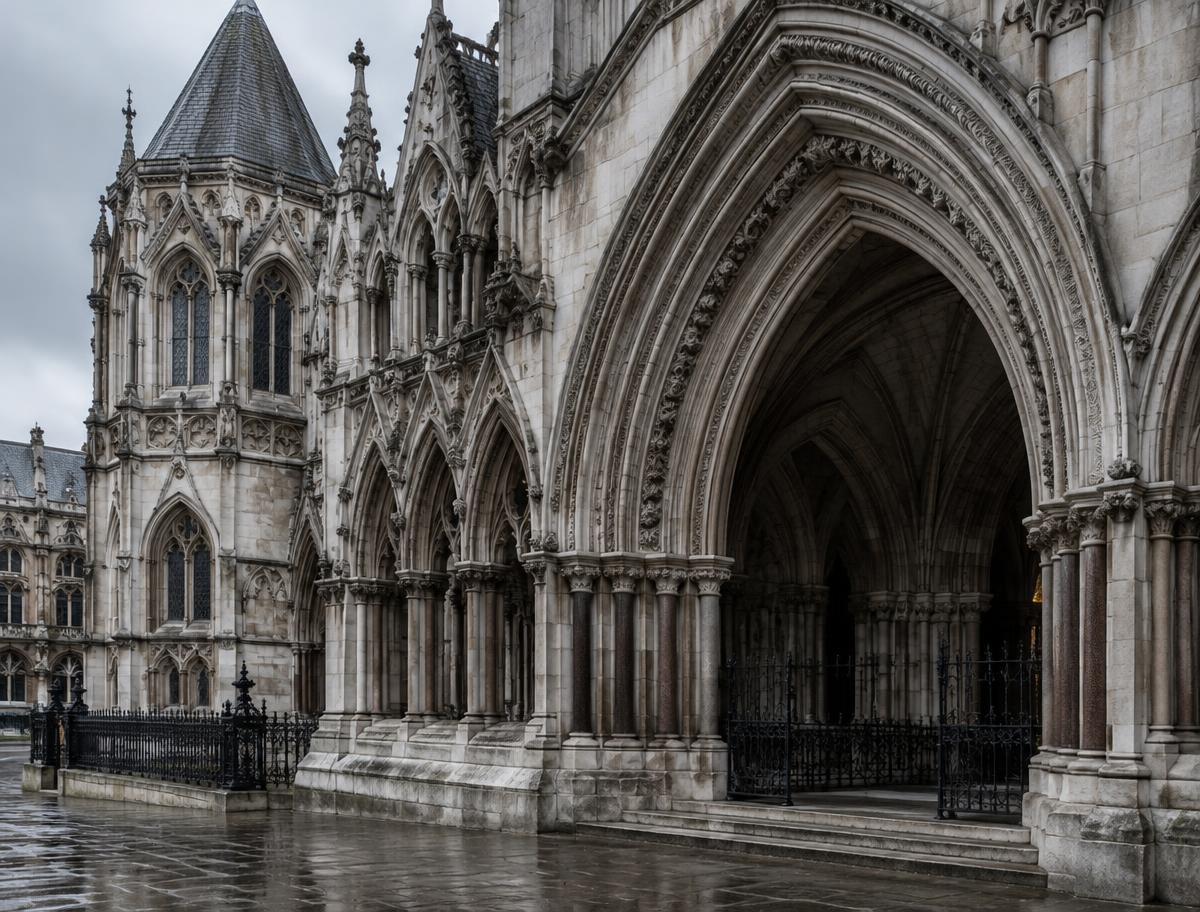
Ellie Reeves KC MP and Andy Slaughter MP have formally been sworn in as Attorney General and Solicitor General, taking their oaths of office at the Royal Courts of Justice in London on 1 October, more than two months after they were appointed to the roles in July.
Alex Norris MP was also sworn in during the same ceremony as Lord Chancellor, the cabinet position responsible for the justice system in England and Wales. The Attorney General’s Office confirmed the appointments in a statement.
The role of the Law Officers
The Attorney General and Solicitor General together make up the UK government’s senior Law Officers, providing legal advice to ministers and representing the public interest in certain legal proceedings. The Attorney General is the more senior of the two posts and traditionally takes the lead on matters such as authorising prosecutions in specific categories of case and advising the cabinet on the legality of government policy.
The Solicitor General acts as deputy to the Attorney General and shares many of the same statutory functions, allowing the two to divide a heavy workload that spans both domestic legal questions and international law. Mr Slaughter previously chaired the House of Commons Justice Select Committee, giving him direct experience of scrutinising the justice system before moving into government himself.
Priorities set out
Speaking after taking her oath, Ms Reeves said tackling violence against women and girls would remain her top priority in the role, continuing a focus she had signalled since her appointment. The issue has been a consistent priority across government in recent years, with successive administrations setting targets to halve violence against women and girls within a decade.
Mr Slaughter said his years on the Justice Select Committee had given him direct insight into the pressures facing the justice system, including court backlogs, prison capacity and resourcing for the Crown Prosecution Service, all of which have been subject to sustained criticism from legal professionals and campaign groups in recent years.
Why the ceremony mattered
The swearing-in ceremony, while largely procedural, formally confirms the office holders’ legal authority to exercise the powers attached to their roles, including signing off on certain prosecution decisions and representing the Crown in court. The gap of several months between their July appointments and the October ceremony reflects the practical process of scheduling a formal oath-taking at the Royal Courts of Justice rather than any delay in the Law Officers beginning their work.
Scotland’s separate Law Officers
The roles sworn in at the Royal Courts of Justice apply to England and Wales. Scotland has its own distinct Law Officers, the Lord Advocate and the Solicitor General for Scotland, who combine ministerial responsibilities with functions as Scotland’s senior public prosecutors, a dual role that has periodically attracted criticism over the separation of political and prosecutorial functions.
The positions of Lord Advocate and Solicitor General for Scotland are currently the subject of an independent review, examining whether the historic arrangement, under which the Lord Advocate sits in the Scottish government while also heading the prosecution service through the Crown Office and Procurator Fiscal Service, remains fit for purpose. Any changes recommended by that review would apply only in Scotland and would not affect the Westminster roles taken up this week by Ms Reeves and Mr Slaughter.
What comes next
With the formalities complete, attention is expected to turn to how the new Law Officers approach upcoming legal and political challenges facing the UK government, including ongoing legislative reforms to the justice system and decisions over high-profile prosecutions that will fall within their oversight.
A history of the Law Officers
The offices of Attorney General and Solicitor General for England and Wales trace their origins back centuries, historically serving as the Crown's chief legal advisers before evolving into their modern constitutional role advising the government while remaining ultimately independent in certain prosecutorial decisions. The principle that Law Officers must balance political loyalty to the government of the day with independent legal judgement, particularly when advising on the legality of government action, has periodically generated controversy, including high-profile disputes in past decades over legal advice given ahead of major government decisions.
Reeves' background and priorities
Ellie Reeves, who took silk as a King's Counsel before her appointment, brings a legal background to the role alongside her experience as a member of parliament. Her stated focus on tackling violence against women and girls aligns with a target set by the government to halve such violence within a decade, an ambition that has required coordinated action across policing, prosecution and sentencing policy, areas in which the Attorney General's office can play a role through guidance to prosecutors and input into legislative reform.
Slaughter's committee experience
Andy Slaughter's prior role chairing the House of Commons Justice Select Committee gave him direct oversight experience of many of the pressures now facing the justice system he has moved into government to help address, including a substantial backlog of criminal cases awaiting trial in crown courts, chronic overcrowding in the prison estate, and sustained concern from legal professional bodies about resourcing for the Crown Prosecution Service and criminal legal aid more broadly.
The Lord Chancellor's role
Alex Norris's simultaneous swearing-in as Lord Chancellor underscores the close working relationship between that position, historically one of the oldest in English government, and the Law Officers, given the Lord Chancellor's responsibility for the overall justice system, including courts, prisons and the judiciary, areas that frequently intersect with the legal and prosecutorial matters handled by the Attorney General and Solicitor General.
Scotland's distinct arrangements
The ongoing independent review of Scotland's Law Officer arrangements reflects long-standing debate about whether combining the roles of government legal adviser and head of the independent prosecution service in a single office, the Lord Advocate, creates problems of perceived conflict of interest, particularly in cases with political sensitivity. Any recommendations from that review would apply solely within the Scottish justice system, which has operated separately from that of England and Wales since before the Act of Union, and would have no bearing on the roles taken up this week in London.
What comes next for the Law Officers
With their formal oaths taken, Reeves and Slaughter are now able to exercise the full range of statutory powers attached to their roles, including authorising certain prosecutions and representing the government's legal interests in court, as they turn their attention to the range of justice and legal policy challenges awaiting ministerial decisions in the months ahead.