
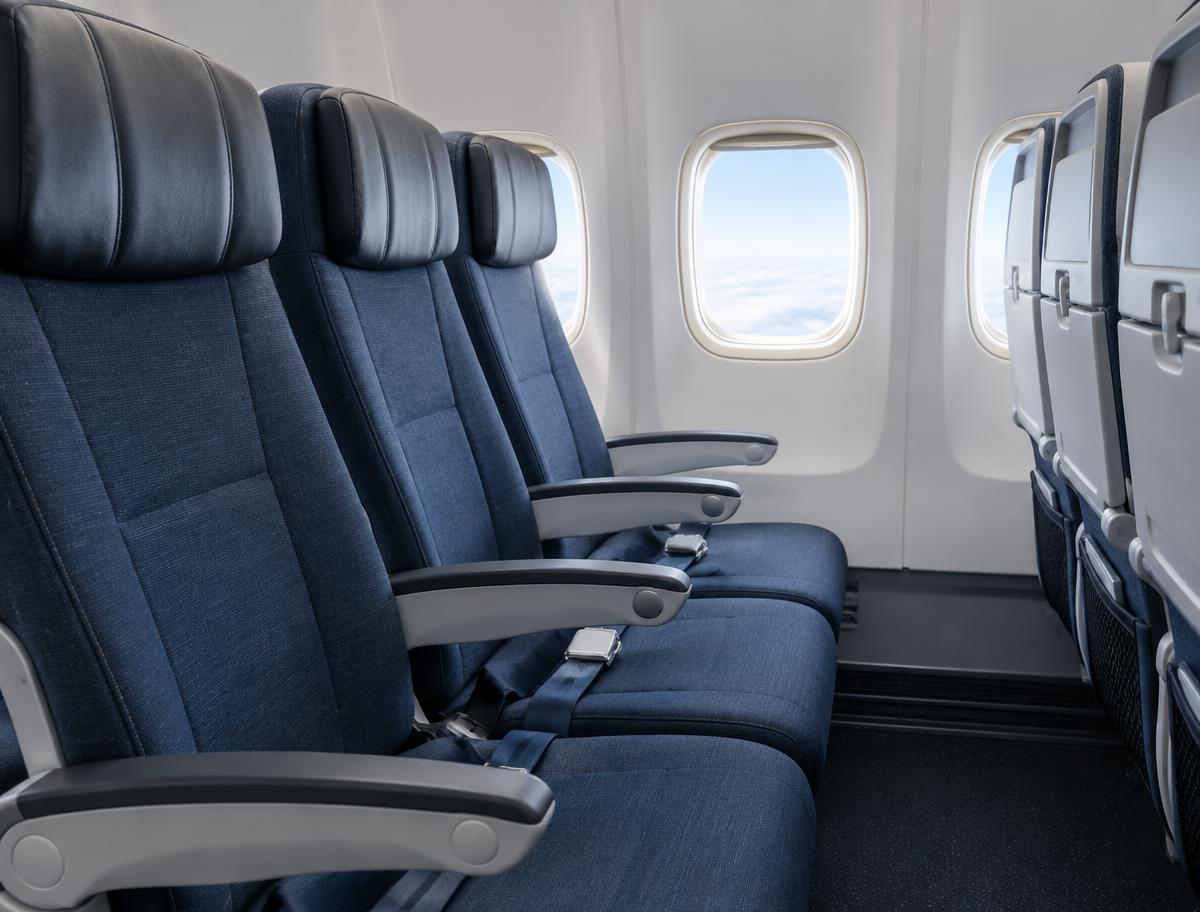
Airlines operating in the UK will be required to seat children under 14 next to a parent or accompanying adult free of charge, under new rules announced by the Department for Transport on 2 October 2026.
The change targets a long-standing source of complaint among families, where parents flying with young children have sometimes been charged extra, on top of the basic fare, simply to guarantee they are seated together rather than scattered across the cabin.
How much families were being charged
The government says a parent and child can currently be charged up to £104 on a return journey for the privilege of sitting together, a cost that airlines have historically justified as a fee for selecting a specific seat rather than accepting whatever seat is randomly allocated by check-in systems. Consumer groups have long argued that no parent should effectively be forced to pay extra for the basic reassurance of sitting beside a young child during a flight.
Alongside the seating change, passengers will also be able to correct simple mistakes in names on their bookings for free, closing off fees the department says can reach as much as £40 for what are often minor typing errors made at the time of booking rather than deliberate changes of traveller.
Why this change is being made now
The Department for Transport has framed the measures explicitly in terms of the cost of living, presenting them as practical help for families ahead of next year’s summer holiday season, when flight prices and extra charges tend to be at their highest and most keenly felt by parents budgeting for a family trip. Airline ancillary charges, fees for items beyond the basic fare such as seat selection, luggage and priority boarding, have grown substantially across the industry over the past decade as a significant source of revenue for carriers, and have attracted periodic criticism from regulators and consumer bodies over transparency and fairness.
Consumer campaigners, including groups such as Which?, have repeatedly highlighted family seating charges as among the most resented of airline ancillary fees, arguing that the practice amounts to exploiting parents’ natural anxiety about being separated from a young child during a flight, rather than reflecting any genuine additional cost to the airline of allocating adjacent seats.
Tackling disruptive passengers
The announcement also addressed a separate issue affecting air travel: disruptive behaviour on board. Ministers said they are working with airlines and trade unions representing cabin crew to develop a system for sharing information about persistently disruptive passengers between carriers, citing more than 1,000 serious incidents recorded in 2025 alone. Disruptive passenger incidents, ranging from abusive behaviour to situations requiring flights to be diverted, have been a growing concern for airlines and unions representing cabin crew in recent years, with calls for tougher, more consistent industry-wide responses.
Industry response
Airlines have not uniformly welcomed previous attempts to regulate ancillary charges, often arguing that unbundling fares, charging separately for extras rather than including them in a single higher ticket price, allows passengers who do not need those extras to pay less overall. The government’s announcement did not detail how compliance with the new free-seating requirement for children will be monitored or enforced across different carriers operating from UK airports.
Some airlines have previously pointed out that seating algorithms already try to keep young children near an accompanying adult where possible, even without a paid seat selection, though consumer groups counter that this is not guaranteed and that families have reported being split up across a cabin unless they pay for the reassurance of a confirmed adjoining seat.
What happens next
The Department for Transport’s announcement sets out the policy intention and the problems it is designed to address, with further detail expected to follow on implementation timelines and how the rules will apply across different airlines and fare types. Families planning flights are likely to see the practical effects of the change reflected in bookings over the coming months, as carriers adjust their systems to comply with the new requirement.


