Transport Scotland is considering installing temporary traffic lights and a reduced speed limit at the Dunkeld and Birnam junction on the A9 in Perthshire, after yet another crash closed the road and renewed calls for urgent safety measures.
The collision, which happened on Monday, closed the A9 near the junction and left three people taken to hospital, adding to a string of incidents at the site that has included two fatalities last month.
Renewed pressure for action
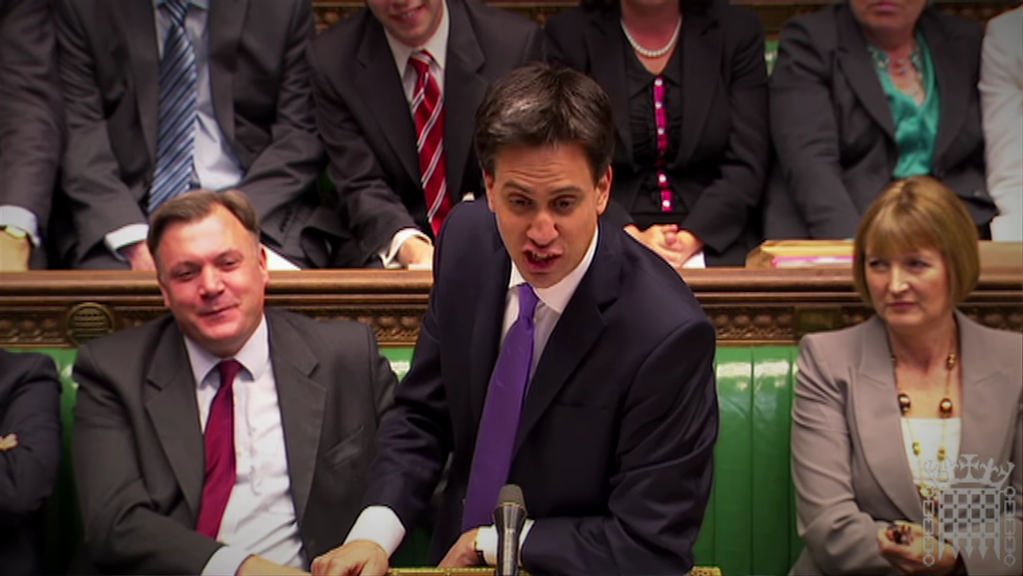
Perthshire MSP Murdo Fraser pressed for action during a meeting with Transport Scotland officials and Cabinet Secretary for Transport Stephen Flynn, held in the wake of the latest crash. Fraser said officials had assured him that temporary measures were being looked at, but that there needed to be more urgency from the Scottish Government.
“How many more does there need to be before the Government stops sitting on its hands and does something about this?” Fraser said, reflecting growing frustration among local politicians and residents over the pace of action at the junction.
What is being considered
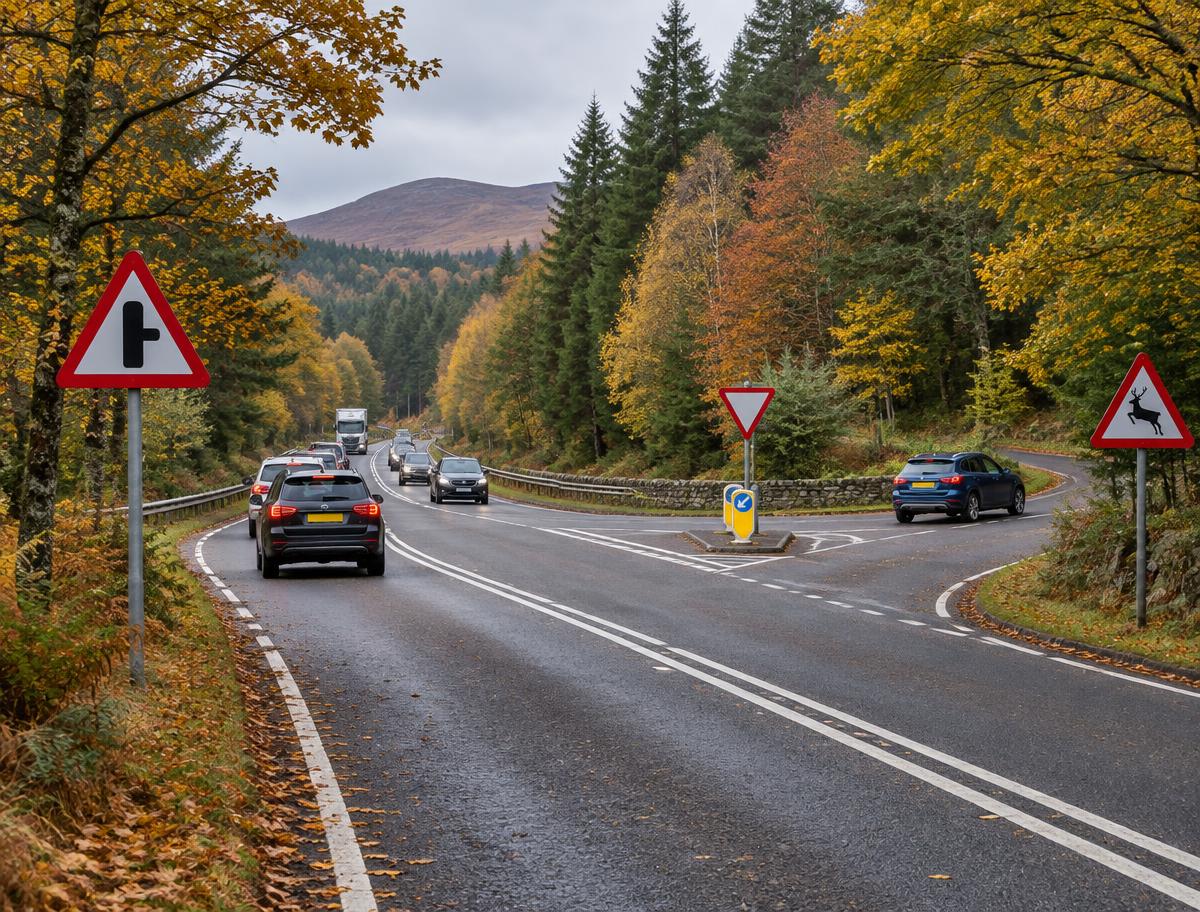
Transport Scotland said it would consider installing temporary safety measures, including temporary traffic lights and a reduced speed limit on the approach to Dunkeld. Warning signage on the approach to the junction has already been updated.
Fraser said a temporary roundabout at the site had been ruled out because of the scale of work that would be required to install it, leaving traffic lights and a lower speed limit as the main options under consideration for a near-term improvement.
A long-running safety concern
The Dunkeld and Birnam junction sits on a stretch of the A9 that has not yet been dualled, part of a wider programme to convert the entire route between Perth and Inverness to dual carriageway. The Pass of Birnam to Tay Crossing section, which includes the junction, has an estimated cost of up to £486 million and includes a proposed roundabout as part of the eventual permanent solution.
Draft orders and an environmental impact assessment for that scheme were published in May 2025, with a statutory consultation period that has since closed. Transport Scotland said it was considering representations received before any decision is taken on whether a public local inquiry will be needed.
In the meantime, the Scottish Government previously installed solar-powered illuminated road studs, new road markings and improved signage at the staggered junction as part of a wider £5 million package of short-term engineering measures applied to the A9 between 2023 and 2025.
Why the junction is seen as dangerous
The junction is a staggered one, where the A9 meets several minor roads including the A822 and A923 along with an unclassified road to Inver, a layout that can be more difficult for drivers to navigate safely, particularly at speed on a single-carriageway section of the route.
The wider A9 has long been identified as one of Scotland’s most dangerous roads, prompting the Scottish Government’s long-running commitment to dual the entire route, though construction on many sections, including the one at Dunkeld, has yet to begin.
The A9 dualling programme was first announced in 2011 with an original target completion date that has since been repeatedly delayed, a history that has fuelled criticism from opposition politicians and road safety campaigners, who argue that successive governments have failed to deliver the project at the pace originally promised.
The human cost
Road safety campaigners have long highlighted the toll taken by crashes on the A9, with families of victims frequently calling for faster progress on dualling and interim safety measures at known danger spots such as the Dunkeld and Birnam junction. The fatalities at the site last month have intensified that pressure, with local representatives arguing that each further incident underscores the urgency of action.
What happens next
Transport Scotland has not confirmed a timetable for introducing the temporary traffic lights or reduced speed limit, and any changes would be intended as an interim step ahead of the eventual roundabout once the dualling project in that section goes ahead.
Local politicians are expected to continue pressing for faster action at the junction, with the latest crash likely to keep safety at Dunkeld and Birnam in the spotlight as the dualling programme’s timetable remains uncertain.